

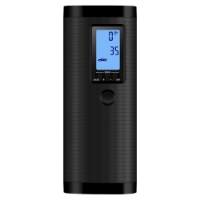
 Portable Tire Inflators
 Electric Air Pumps
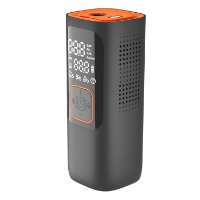 Electric Car Tyre Pumps
 Electric Ball Pumps
 Electric Bike Pump
 SUP Air Pump

Portable Air Pump Tire Guide: Real-World Performance, Inflation Science, and Smart Roadside Maintenance
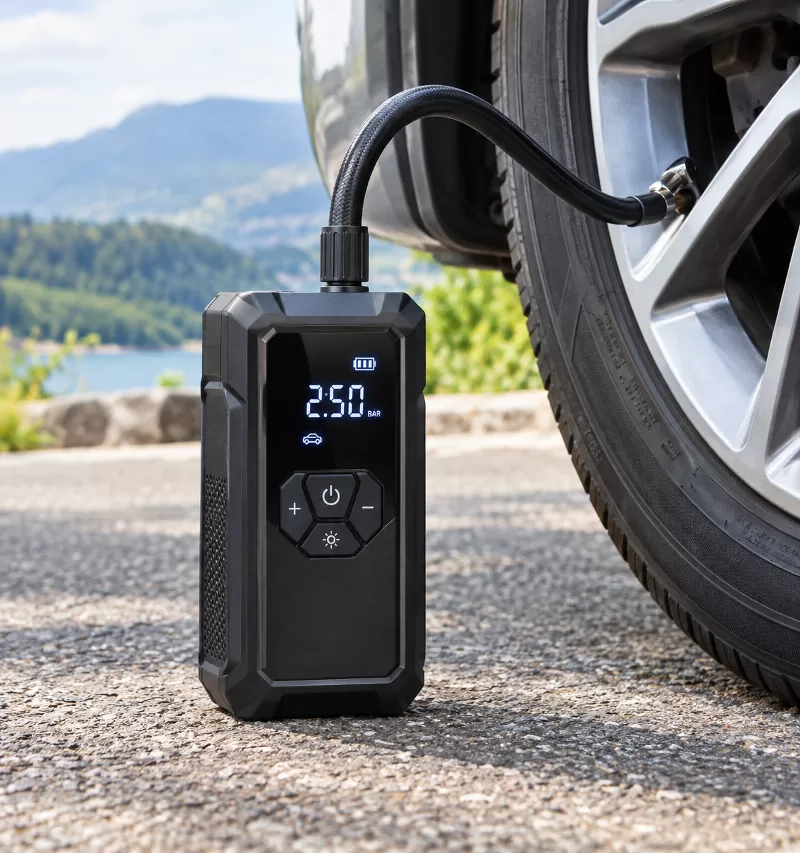
Finding yourself stranded on a dark shoulder with a dropping tire pressure reading is a scenario every motorist dreads. Relying on an outdated gas station compressor often means wrestling with worn hoses, inaccurate analog dial readings, or coin-operated slots that stop midway through filling. Investing in a dependable portable air pump tire solution bridges the gap between roadside inconvenience and immediate self-sufficiency. Modern pneumatic technology now packs compression cylinders, digital pressure sensors, and flexible power architectures into devices that fit neatly inside an automotive glove box or center console.
Maintaining correct tire inflation is not merely about turning off a dashboard indicator; it directly influences vehicle braking distance, wet-weather hydroplaning resistance, and long-term tread wear. A compact portable air pump tire inflator provides everyday autonomy, allowing drivers to rectify seasonal pressure loss right in their driveways without burning fuel driving on under-inflated rubber. For us at Newo, as an engineering team and manufacturer specializing in smart electric air pumps and portable inflation solutions, pneumatic accuracy combined with reliable thermal management remains the foundation of driver safety.
Understanding Portable Tire Inflation: How Modern Compact Compressors Work
Piston Mechanics, Heat Dissipation, and Airflow Dynamics
At the core of typical handheld inflators lies a compact piston assembly driven by a dedicated electric motor. When energized, the motor drives a gear mechanism that strokes a piston inside a metal sleeve, drawing ambient air through intake channels and guiding it through a one-way valve into the output hose. Because air compression is governed by thermodynamic principles, reducing gas volume generates friction and heat, warming the compressor cylinder during continuous operation.
Unlike stationary garage compressors that store pressurized air within expansive steel buffer tanks, a portable inflator delivers direct displacement airflow straight into the tire carcass. Because there is no large pre-pressurized buffer, the compressor works against the tire’s existing backpressure throughout inflation. Outer casing cutouts and ventilation openings help dissipate accumulated heat, supporting manageable internal operating temperatures while the compressor runs.
The Dual-Power Architecture: Battery Convenience vs. 12V Vehicle Power
Battery-powered mobility represents a significant practical advancement over cumbersome, tangled extension leads. An internal lithium-ion battery pack provides the convenience of moving completely around a vehicle, topping off four tires without hunting for a wall outlet or threading long cables through open passenger doors. When seasonal cold weather drops ambient temperatures, however, cell discharge characteristics can shift during sustained high-load cycles.
To provide flexible roadside and travel options, advanced designs support both an internal rechargeable battery and external 12V to 14V vehicle power. The product specifications for dual-power units like the LP17A-P confirm that the unit supports its rechargeable battery and 12V–14V vehicle power; consult the manufacturer’s instructions for how to use vehicle power. This dual-input architecture gives motorists practical flexibility during travel, allowing them to rely on vehicle auxiliary current or cordless battery operation as the situation demands.
Setting Accurate Tire Pressure: Safety Physics and Vehicle Placards
Vehicle Door Placards vs. Sidewall Markings: Avoiding Dangerous Over-Inflation
A persistent point of confusion among motorists involves reading target pressure values off the tire sidewall itself. The tire sidewall lists the tire’s maximum permissible inflation pressure, representing the upper threshold established by the tire manufacturer. Inflating a standard family vehicle to the maximum pressure listed on the sidewall creates an excessively stiff contact patch, compromising wet traction, accelerating center-tread wear, and transmitting unnecessary harshness to suspension components.
The authoritative source for recommended tire pressure is the vehicle placard located on the driver-side door jamb, door pillar, or within the official vehicle owner’s manual. Automotive manufacturers establish these cold baseline figures—typically between 30 PSI and 36 PSI for passenger vehicles—by analyzing chassis dynamics, curb weight, load ratings, and suspension geometry. While a capable portable pump may feature a broad mechanical range of 2 to 150 PSI, that upper range accommodates specialized high-pressure bicycle tires or equipment, not standard passenger car tires.
The Cold Pressure Rule and Temperature Swings
Air pressure inside an enclosed tire expands and contracts in response to thermal conditions. As a rule of thumb, tire pressure changes by about 1 PSI for every 10°F change in temperature; check cold pressure against the vehicle placard. Furthermore, rolling friction during normal driving warms the tire carcass, elevating the internal pressure by several pounds per square inch while the vehicle is in motion.
To establish a dependable baseline, drivers should verify cold pressure before prolonged driving. Standard automotive safety guidance defines a cold tire as one that has been driven less than one mile at moderate speed or has remained parked for at least three hours. Attempting to set standard door-placard pressures on hot tires immediately following extended highway driving can result in tires that are under-inflated once they cool down to ambient temperatures.
TPMS Dashboard Alerts vs. Dedicated Digital Manometers
Tire Pressure Monitoring Systems (TPMS) are valuable safety devices mandated across modern vehicles, yet their operational alerts are primarily reactive rather than preventative. Under the U.S. standard, the TPMS warning threshold applies to under-inflation of one to four tires at 25% below the vehicle manufacturer’s recommended cold tire inflation pressure or the specified minimum pressure in the standard, whichever is higher. A vehicle tire specified for 32 PSI may not trigger a dashboard alert until pressure drops substantially, a level where fuel efficiency and tire handling are already reduced.
Relying solely on dashboard warning lamps allows subtle pressure loss to go unnoticed between routine service intervals. A dedicated digital inflator equipped with clear pressure readouts functions as a practical diagnostic tool and an air source in one device. Checking tire pressures periodically allows drivers to perform minor maintenance adjustments and maintain correct placard pressure long before a vehicle dashboard warning light turns on.
Engineering Profile: Evaluating Compact Inflator Specifications (The LP17A-P)
Pressure Thresholds, Air Volume, and Realistic Output Expectations
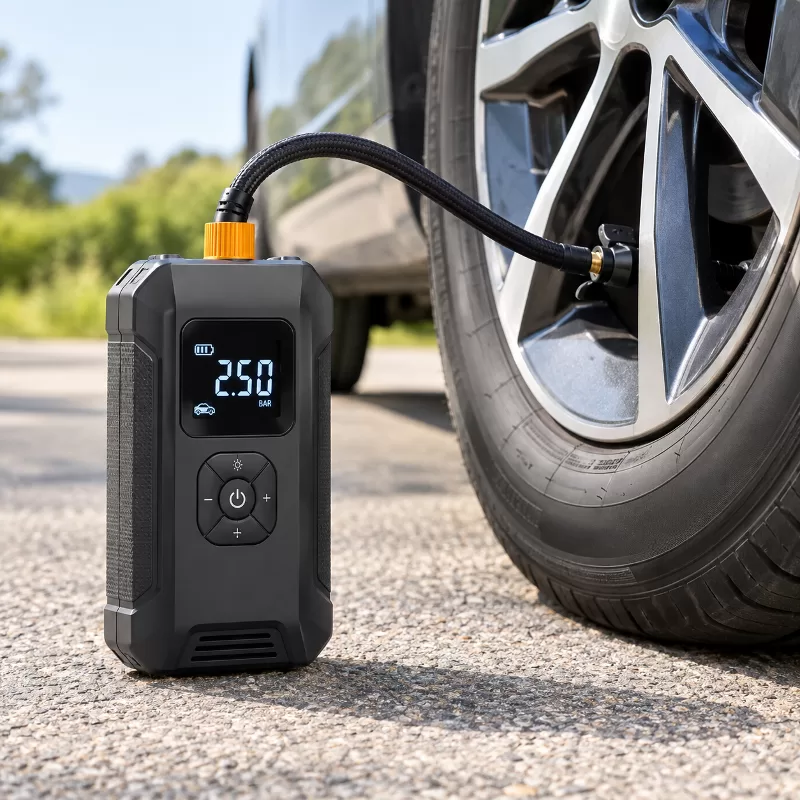
Evaluating a compact inflator requires reviewing its technical parameters against practical maintenance tasks. The LP17A-P portable tire inflator air pump is designed for everyday tire care, featuring a compact 68 × 46 × 160 mm housing and weighing approximately 453.1 g for convenient storage in a vehicle compartment. Running with a 50W maximum working power, the inflator delivers an adjustable pressure range from 2 to 150 PSI, supporting vehicles, bicycles, motorcycles, e-bikes, wheelchairs, balance vehicles, and sports balls.
According to manufacturer technical specifications, the unit delivers an airflow rate of 17 to 18 L/min under nominal operating conditions. This output profile is engineered primarily for regular tire pressure maintenance, seasonal adjustments, and slow leak management rather than high-volume industrial shop duties. Factory specifications note an estimated inflation capacity of about two 205-width automotive tires per full charge, alongside a rated runtime of about 20 minutes, offering dependable support for travel and commuting.
Cylinder Architecture and Duty-Cycle Management
Inside the LP17A-P enclosure, mechanical compression is delivered by what the manufacturer designates as a 17-cylinder structure. Electrical power is supplied by an internal lithium battery pack featuring two 18650 cells rated at 2000mAh, 7.4V (14.8Wh). The manufacturer rates the battery cycle life at 100 cycles while retaining 80% or more of original capacity, providing stable energy retention over repeated seasonal top-offs.
- Thermal Rest Intervals: Mechanical compression naturally produces heat within compact housings; allowing the device to rest between cycles protects internal components as directed by the product manual.
- Operational Runtime: The manufacturer specifies a runtime of about 20 minutes, while users should consult the product manual for specific operating limits and cooling intervals.
- Acoustic Rating: Operating noise is rated at 85dB or below measured at a distance of 1 meter, maintaining a predictable sound profile during roadside operation.
- Operating Temperature Limits: The unit is rated to perform in temperatures ranging from minus 10°C to 45°C, ensuring reliable function across diverse weather conditions.
Multi-Discipline Utility: Controls and Portable Power Functions
The LP17A-P incorporates a dual LED screen alongside smart pressure controls, providing five preset modes, custom pressure setting, and an automatic shut-off feature that halts pumping once target values are reached. These controls support diverse vehicles and recreational gear, while users should consult the product packaging and supplied manual to verify specific nozzle and valve adapter inclusions for their intended equipment.
Beyond pneumatic tasks, the device includes a Type-C charging port drawing 5V/2A input, reaching full recharge in about two hours. An auxiliary 5V/2A USB output port allows the device to function as a power-bank-style accessory to charge mobile phones or small electronics during travel emergencies. Combined with vehicle power support for 12V to 14V car systems, the device serves as a versatile companion for commuting, roadside readiness, and consumer automotive accessory kits.
Practical Step-by-Step Roadside Operation Guide
Pre-Inflation Inspection: Distinguishing Leaks from Structural Damage
Before attaching an air inflator at the roadside, conducting a careful physical inspection of the damaged tire is essential for safety. Not every flat tire can be safely reinflated. Driving on a tire that has lost its air can cause severe internal structural damage, grinding the inner liner and breaking steel belts, which creates severe structural hazards under re-pressurization.
Tires that have been driven on while severely under-inflated or flat, tires with unknown operating history, or those showing external sidewall cracking, cuts, or localized bulges should not be reinflated at the roadside. In such instances, mount the vehicle spare tire or contact a qualified professional for assistance. Reinflation should only be considered for tires with minor tread punctures or stationary pressure loss where the tire casing remains intact and undamaged.
Connection and Preset Configuration
Careful preparation and methodical setup ensure reliable pressure delivery while protecting valve stem threads and electronic monitoring components during roadside inflation:
- Establish a Safe Work Area: Park the vehicle on solid, level ground away from moving lanes of traffic, firmly set the emergency brake, and switch on the hazard lights.
- Inspect the Valve Stem: Remove the protective dust cap, clean away surface dust or road grit from the threads, and check that the stem is straight and undamaged.
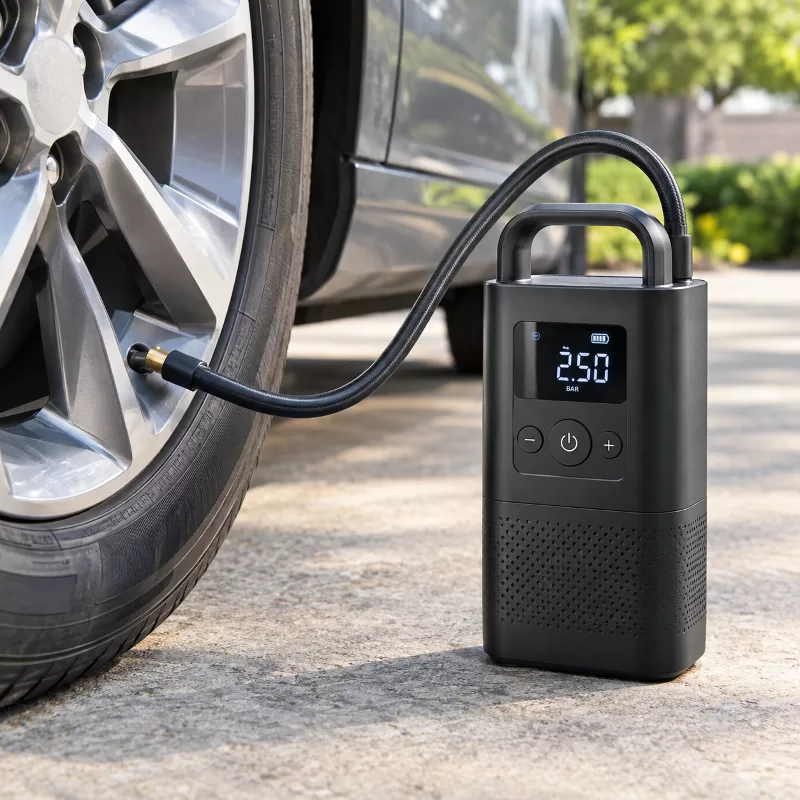
- Attach the Air Hose Securely: Connect the inflator hose securely to the tire valve stem according to product directions, ensuring a tight seal that minimizes air leakage.
- Power on the Inflator: Turn on the device to activate the dual LED display and review the displayed pressure information against your vehicle door placard target.
- Select Mode and Target Pressure: Use the control buttons to choose the appropriate preset mode or set a custom pressure target within the 2 to 150 PSI range.
- Start Inflation: Initiate the pump and allow the motor to run; the automatic shut-off function will stop inflation once the programmed pressure setting is achieved.
Post-Inflation Disconnection and Handling
Once the automatic shut-off halts the compressor motor, turn off the device controls and consult the manual regarding safe handling. Because mechanical compression produces thermal buildup across internal components and fittings, avoid direct contact with hot metal connectors if they become warm during operation, and unthread the air connector cleanly to prevent accidental depressurization.
After removing the air hose, securely replace the valve dust cap to protect the valve core from water, grit, and road grime. Coil the air hose loosely to prevent sharp kinks in the rubber line, and place the unit alongside its charging cords back into its storage compartment so that it remains protected and ready for future travel needs.
Field Comparison: Compact Dual-Power Inflators vs. Alternative Inflation Tools
Comprehensive Parameter and Scenario Comparison
Choosing the right inflation tool requires balancing portability, power source availability, filling speed, and equipment footprint. The table below presents an illustrative comparison outlining common practical differences between compact dual-power units like the LP17A-P and other common inflation methods:
| Inflation Equipment Category | Typical Power Supply Architecture | Pressure Measurement & Accuracy | Stowage Footprint & Weight | Best-Fit Practical Application |
|---|---|---|---|---|
| Compact Dual-Power Inflator (LP17A-P Class) | Internal Rechargeable Battery & 12V–14V Vehicle Power | Digital Display / Auto Shut-off (Dual LED Screen) | 68 × 46 × 160 mm / ~453.1 g (Glovebox Friendly) | Routine cold top-offs, slow roadside leaks, bicycles, e-bikes, mobile device charging |
| Heavy-Duty 12V Compressor (Model Dependent) | Vehicle Battery Clamps or 12V Auxiliary Outlet | Analog Dial or Digital Display (Varies by Model) | Heavy Carry Case / Varies by Model (Larger Footprint) | Off-road vehicle recovery, large truck tires, extended high-volume pumping |
| Manual Floor Pump | 100% Manual Human Effort (Hand or Foot Lever) | Mechanical Dial Gauge (Varies by Model) | Tall Upright Column / Varies by Model | Garage bicycle maintenance, inflatable sports balls, zero-electricity backup |
| Station-Powered Air Tower | Station-Powered Grid Supply (Commercial Compressor) | Built-in Mechanical or Electronic Wand | Stationary Public Installation (Zero Portability) | Commercial service forecourts, quick top-offs when already stopped at a station |
Frequently Asked Questions (FAQs)
Can a portable air pump tire inflator inflate a completely flat car tire?
A portable inflator can inflate a car tire that has lost air while parked, provided the tire is structurally intact, has not been driven on while flat, and the tire beads remain properly seated and sealed against the wheel rim flanges. Any tire driven on while severely under-inflated, or with unknown history or visible casing damage, should first be inspected by a professional. The LP17A-P is rated at 17–18 L/min; actual inflation time depends on starting pressure and operating conditions.
Why does my portable tire inflator get warm during operation?
Warmth around the compressor casing and connection points is normal thermodynamic behavior caused by compressing air. Forcing ambient air into a higher pressure state generates heat inside the cylinder head, which radiates through the housing and air connectors. Users should consult the device manual and avoid touching hot parts directly if they become hot during extended use.
How often should I verify the pressure accuracy of a portable pump?
Digital tire inflators rely on electronic pressure sensors that generally deliver stable, repeatable measurements over standard maintenance use. However, environmental temperature extremes, accidental drops, or age can introduce minor variations. Cross-checking your digital inflator’s pressure reading against a reliable, standalone mechanical gauge once or twice a year is a practical habit to ensure continued accuracy.
Can I operate the LP17A-P while it is connected to a power source?
The LP17A-P includes a Type-C charging port rated for 5V/2A input and supports 12V to 14V vehicle power for versatile operation. Always consult the supplied user manual for specific operating procedures when connected to external vehicle power or while charging the internal battery, ensuring the device is operated within its 50W maximum power rating.
Will winter temperatures affect the inflator’s lithium battery during vehicle storage?
Cold temperatures temporarily reduce the chemical activity of lithium-ion batteries, which can lower available operating time during sub-freezing weather. While quality 18650 cells operate reliably within the inflator’s specified -10°C to 45°C range, keeping the battery charged or storing the unit in a temperate environment helps maintain full performance. Checking the charge level quarterly ensures your portable air pump tire tool remains ready when seasonal pressure adjustments are needed.
Reliable Air Management for Roadside Readiness
Taking charge of vehicle tire maintenance transforms roadside uncertainties into predictable, manageable routines. Keeping a capable portable air pump tire device stored in your car ensures that cold-morning pressure drops, bicycle trail outings, and slow leaks are handled quickly and accurately. With dual-power support, automatic pressure shut-off, and practical everyday portability, drivers gain consistent confidence and tire safety wherever their journey leads.
-
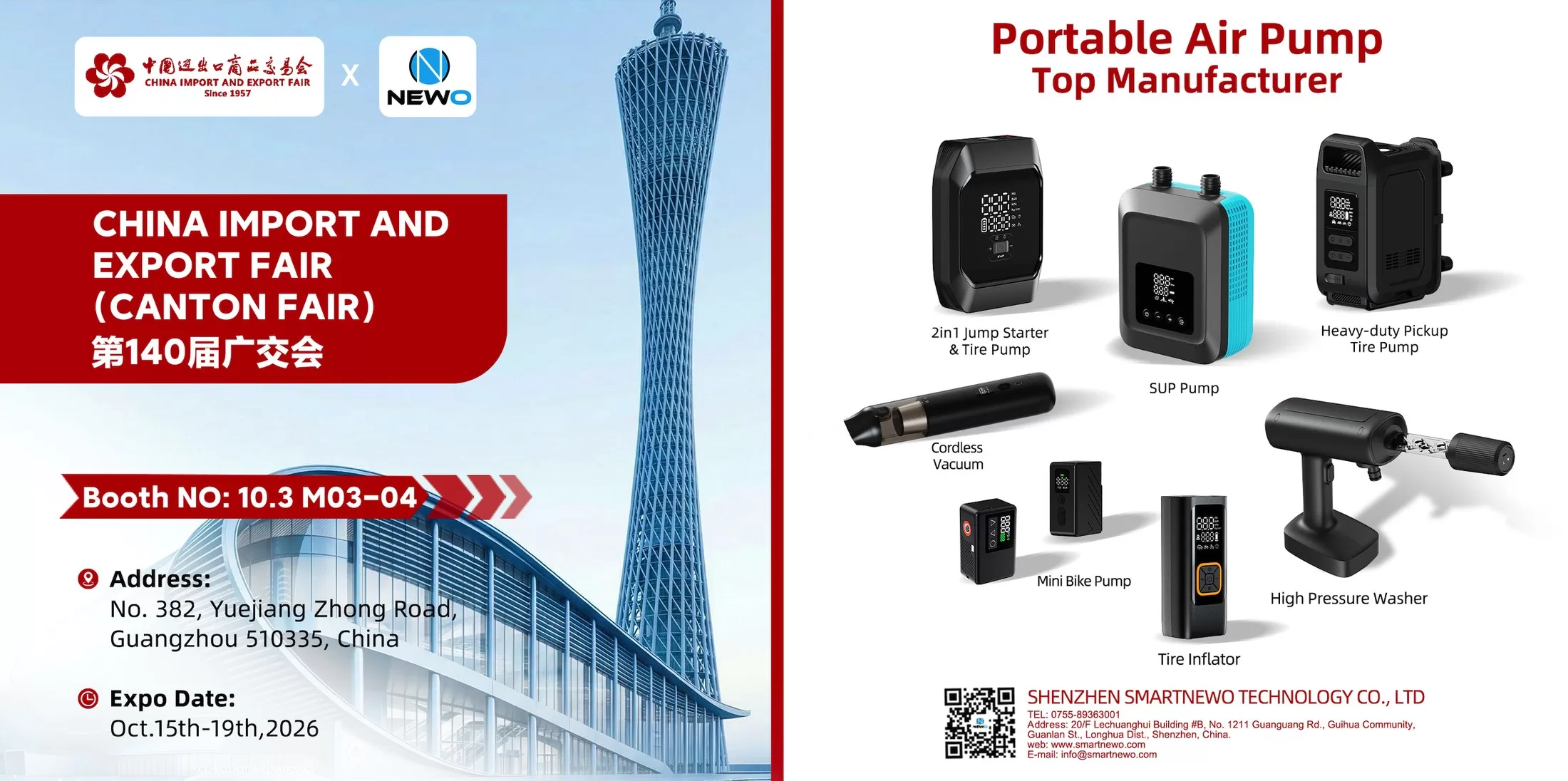
Meet NEWO at the 140th Canton Fair: Visit Booth 10.3 M03–04
Meet NEWO at the 140th Canton Fair in Guangzhou, October 15–19, 2026. Visit Booth 10.3 M03–04 to explore portable air pumps and discuss OEM, ODM and distribution opportunities.... -

As Shenzhen Welcomes the World for APEC 2026, NEWO Welcomes You to Our Factory
As Shenzhen prepares for APEC 2026, NEWO welcomes international buyers and partners to visit our factory, meet our team and explore future cooperation.... -
Leading the Way in Product Innovation and Excellence
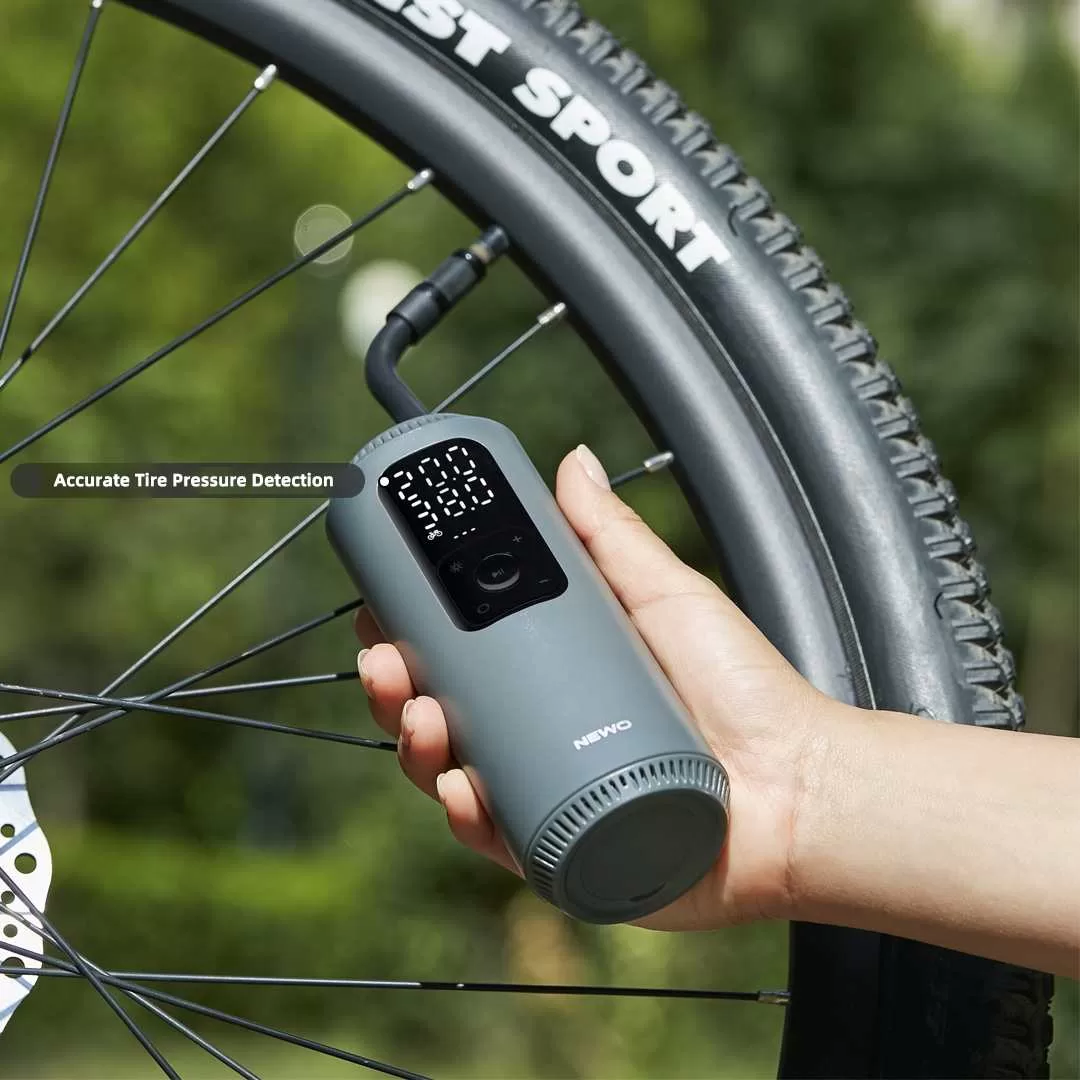
Smartnewo exemplifies professionalism in product innovation and manufacturing. Their collaboration with Xiaomi Youpin on the G01 crowdfunding project highlights their expertise in creating compact, powerful inflatable pumps. Rigorous engineering, meticulous production processes, and advanced quality assurance underscore their commitment to excellence. The success of the G01 project, with significant market... -
Essential Qualities of an Excellent Supplier
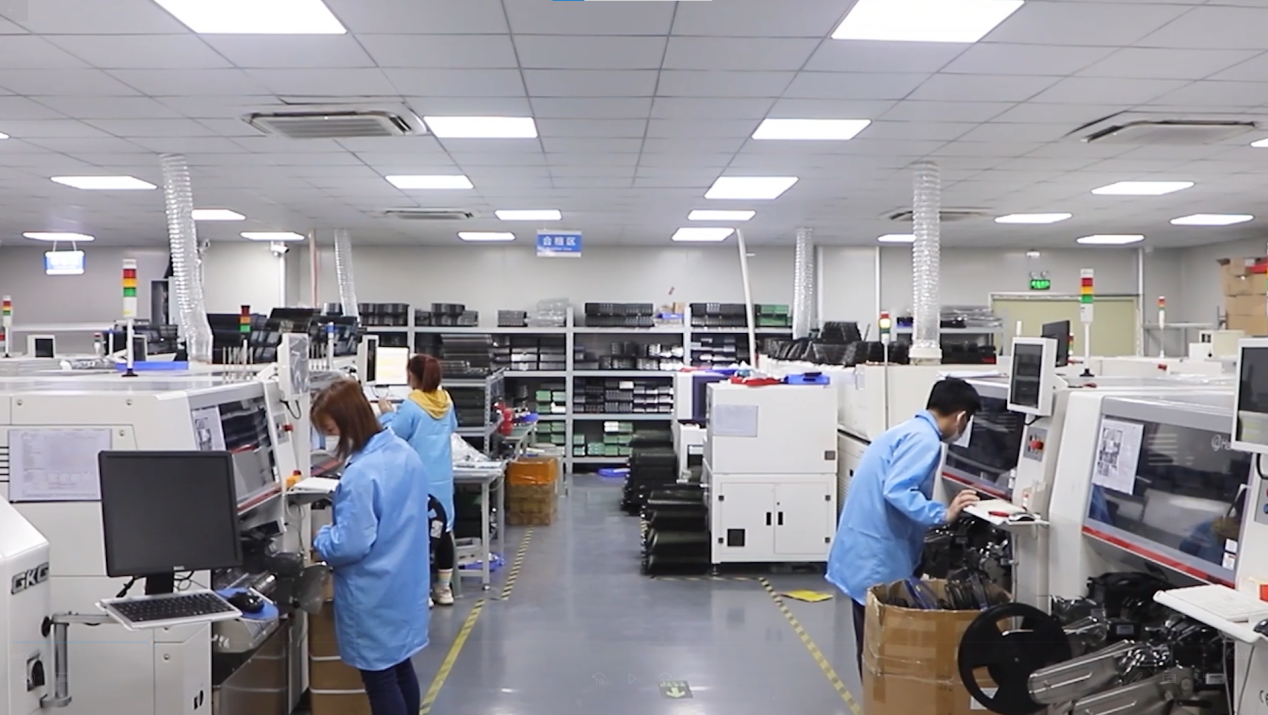
In today's competitive market, finding a reliable supplier is crucial for business success. Based on insights from Smartnewo and broader internet research, here are key qualities an excellent supplier must possess:... -
NW06 Tire Inflator: Compact Power for Quick Inflation
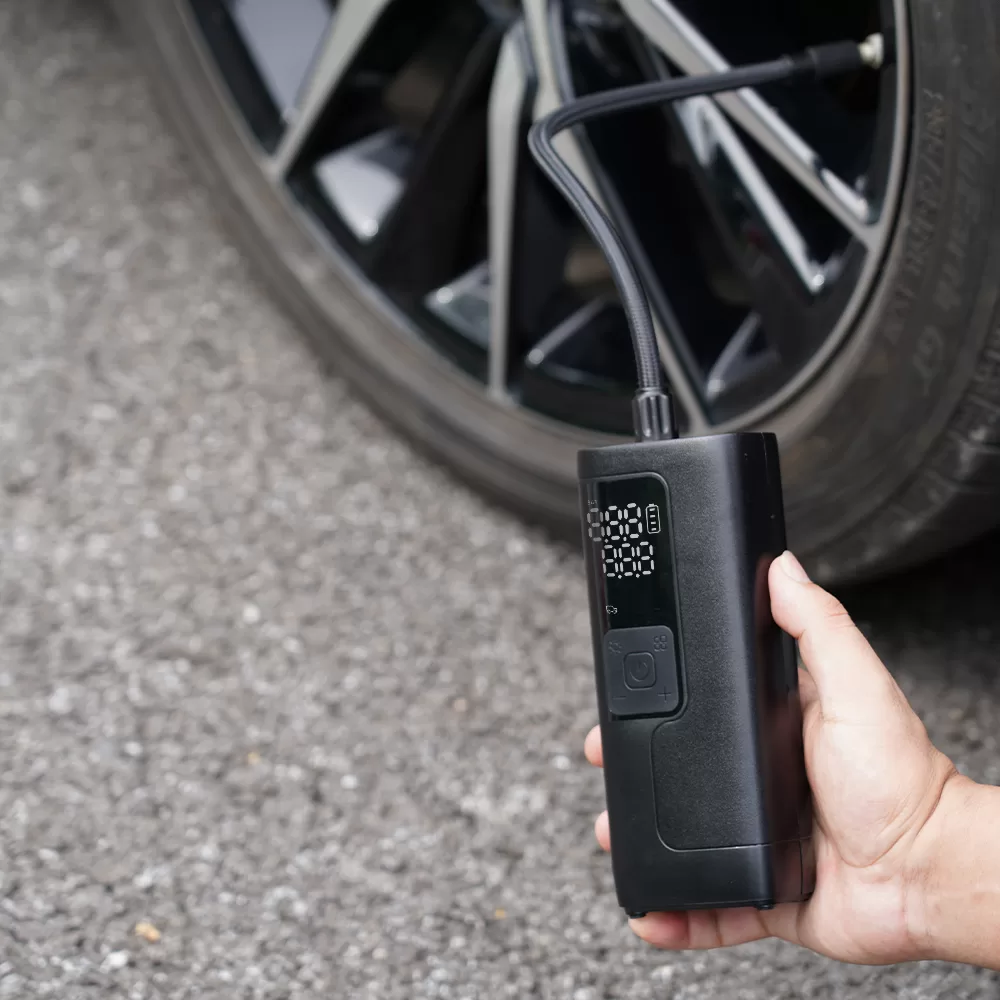
Summary The NW06 Tire Inflator delivers quick and efficient tire inflation with a powerful 35L/min airflow. It features a user-friendly LCD screen for real-time pressure monitoring, dual power options with a built-in 6000mAh battery, and multiple nozzle attachments for versatile use. Its compact design and integrated LED light ensure convenience and... -
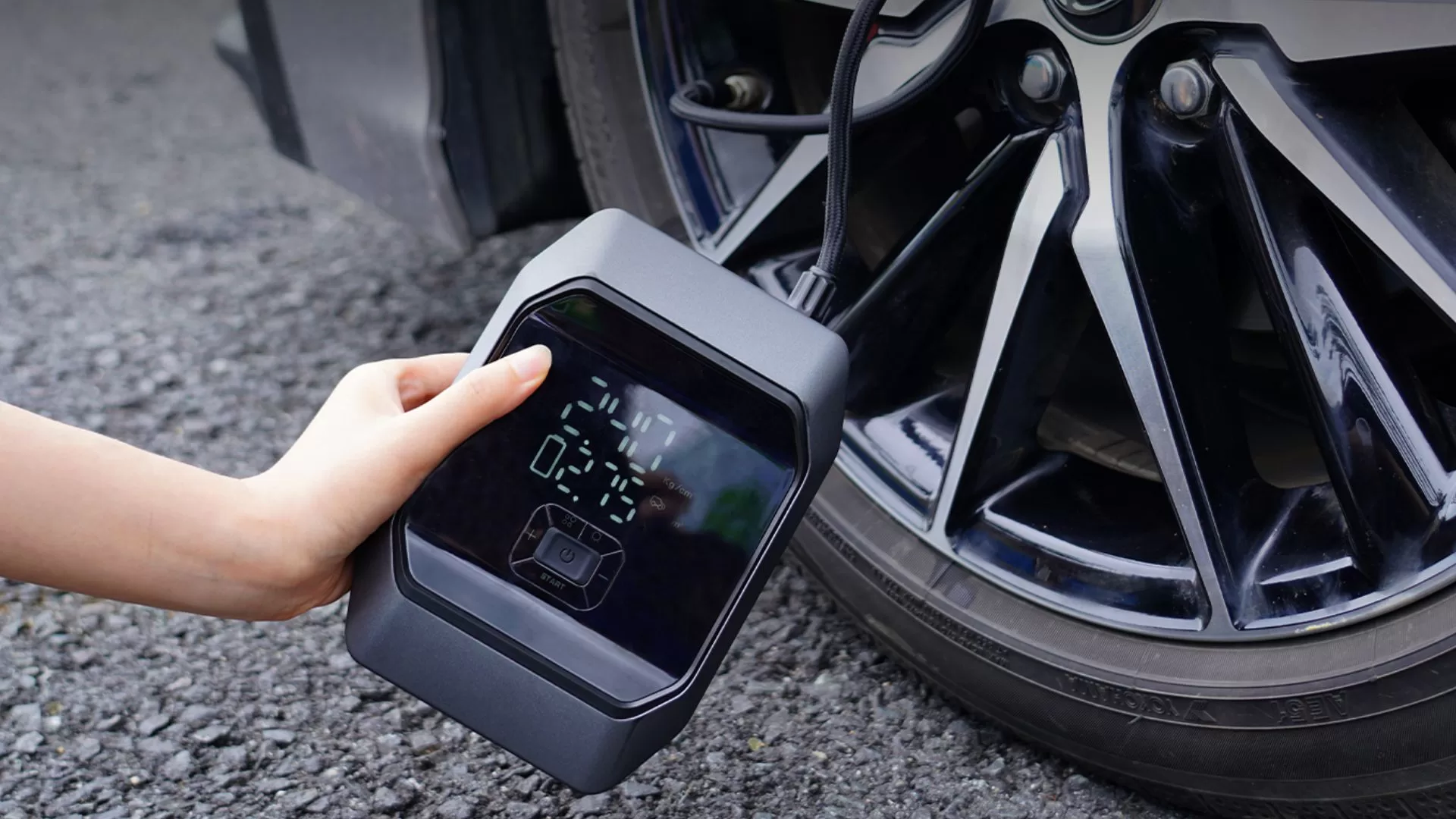
Unleash the Power of Portability: The SmartNewo Jump Starter with Air Compressor KF03
This guide will walk you through the steps to effectively use a portable tire inflator, helping you stay prepared and safe on the road.... -

Newo Attends The 2024 Consumer Electronics Show (CES)
Smartnewo booth is located at 53672, Halls A-D, Level 2, Venetian Expo, Las Vegas Convention Center (LVCC). ... -
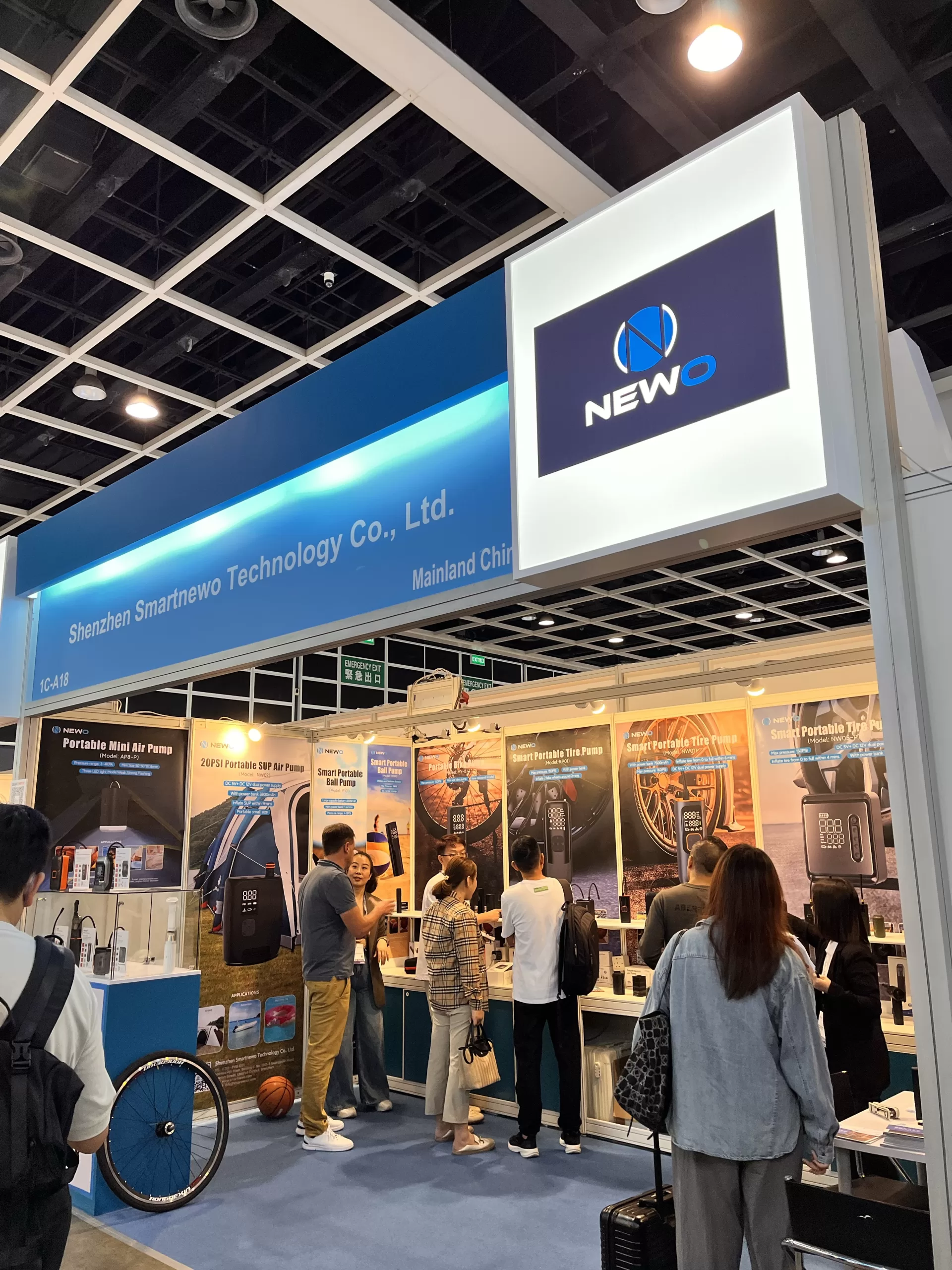
Smartnewo’s Dual-Cylinder Air Pump Rocks the Hong Kong Autumn Electronics Fair!
Smartnewo’s Dual-Cylinder Air Pump Rocks the Hong Kong Autumn Electronics Fair!... -

Meet at the Canton Fair! Smartnewo brings dual-cylinder air pumps, making your inflation experience faster and more stable!
NEWO has went deep communication and negotiation with customers from all over the world on booth.... -
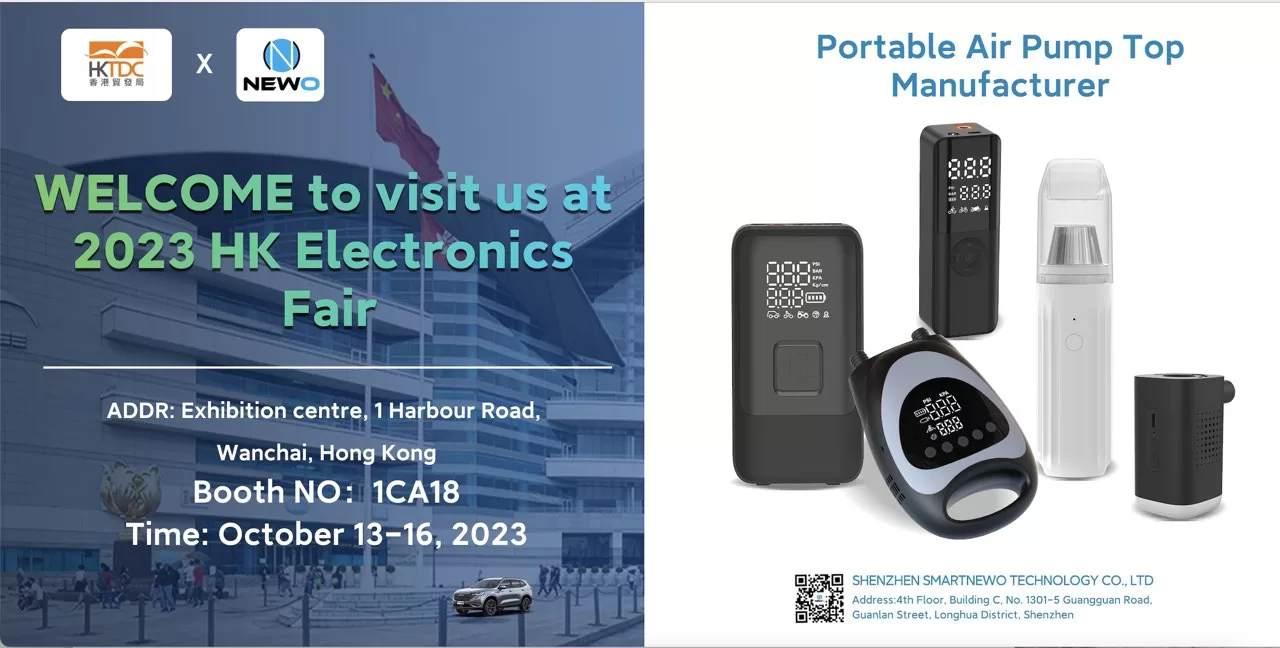
“Hong Kong Autumn Electronics Fair – 1CA18 (October 13th to 16th): Smartnewo invites you to visit our booth!
Hong Kong Autumn Electronics Fair...
-
What to Check Before Ordering Custom Electric Bike Pumps
Plan custom electric bike pumps with a clear requirements freeze for valves, TPU tubes, portability, repeated top-ups, charging, and model-specific documents.... -

OEM vs ODM Air Pumps: Which Manufacturing Model Fits Your Brand?
Compare OEM and ODM air pump projects by design responsibility, change approval, development scope, and written ownership terms before choosing your route.... -

How to Choose a Reliable Tire Inflator Manufacturer in China
Choose a tire inflator manufacturer in China with a focused RFQ, supplier evidence, configuration checks, and clear sample-to-pilot decisions for your brand.... -
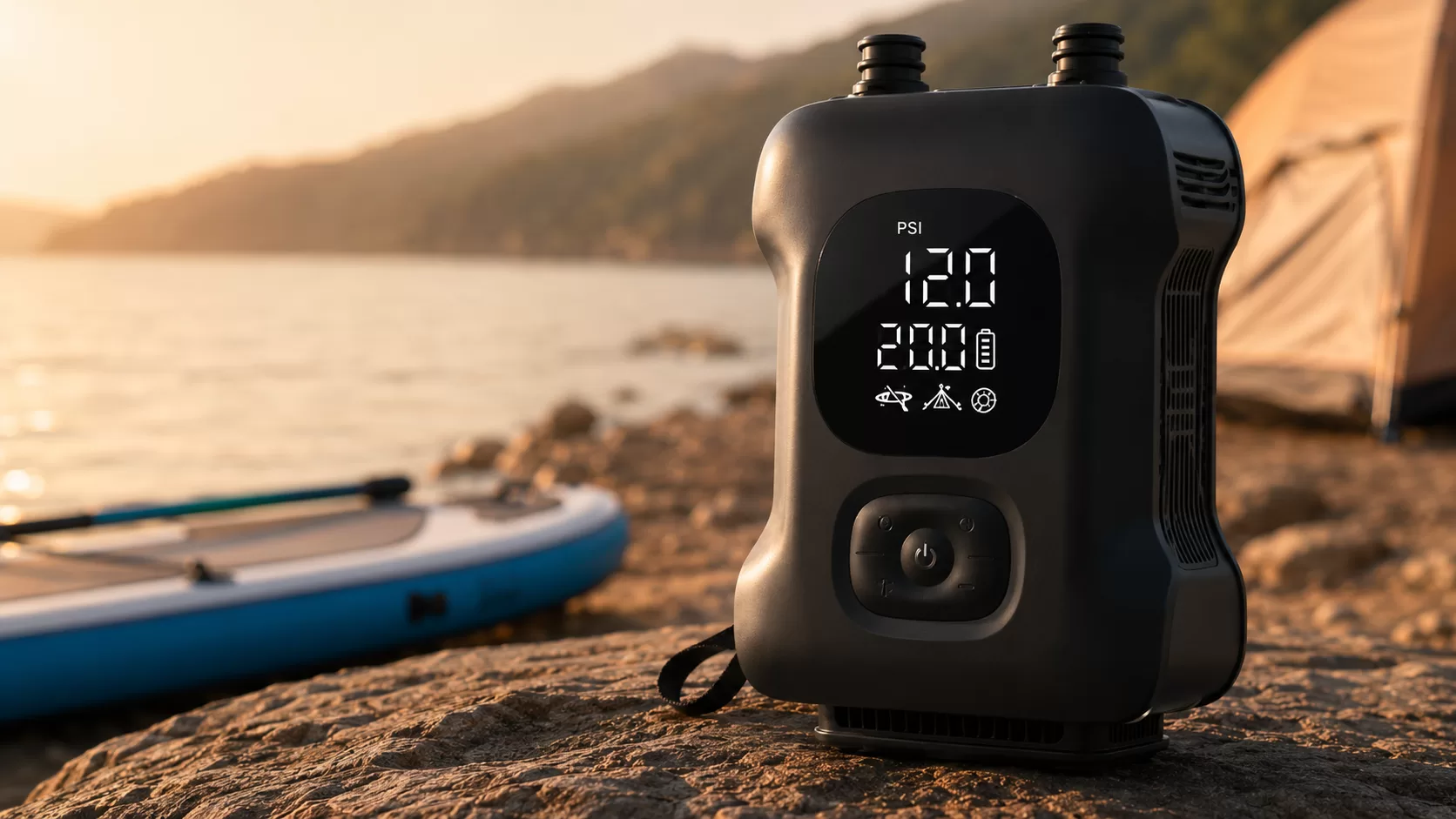
Rechargeable Electric SUP Pump for Paddle Boards: Faster Inflation for SUPs, Kayaks and Inflatable Tents
The BL10-C Portable Electric Bike Tire Inflator is a compact and lightweight mini electric bike pump designed for modern cyclists. With up to 120 PSI pressure, a digital LED display, preset pressure control, automatic shut-off, USB-C charging, and multiple valve adapters, BL10-C offers a convenient inflation solution for road bikes,... -
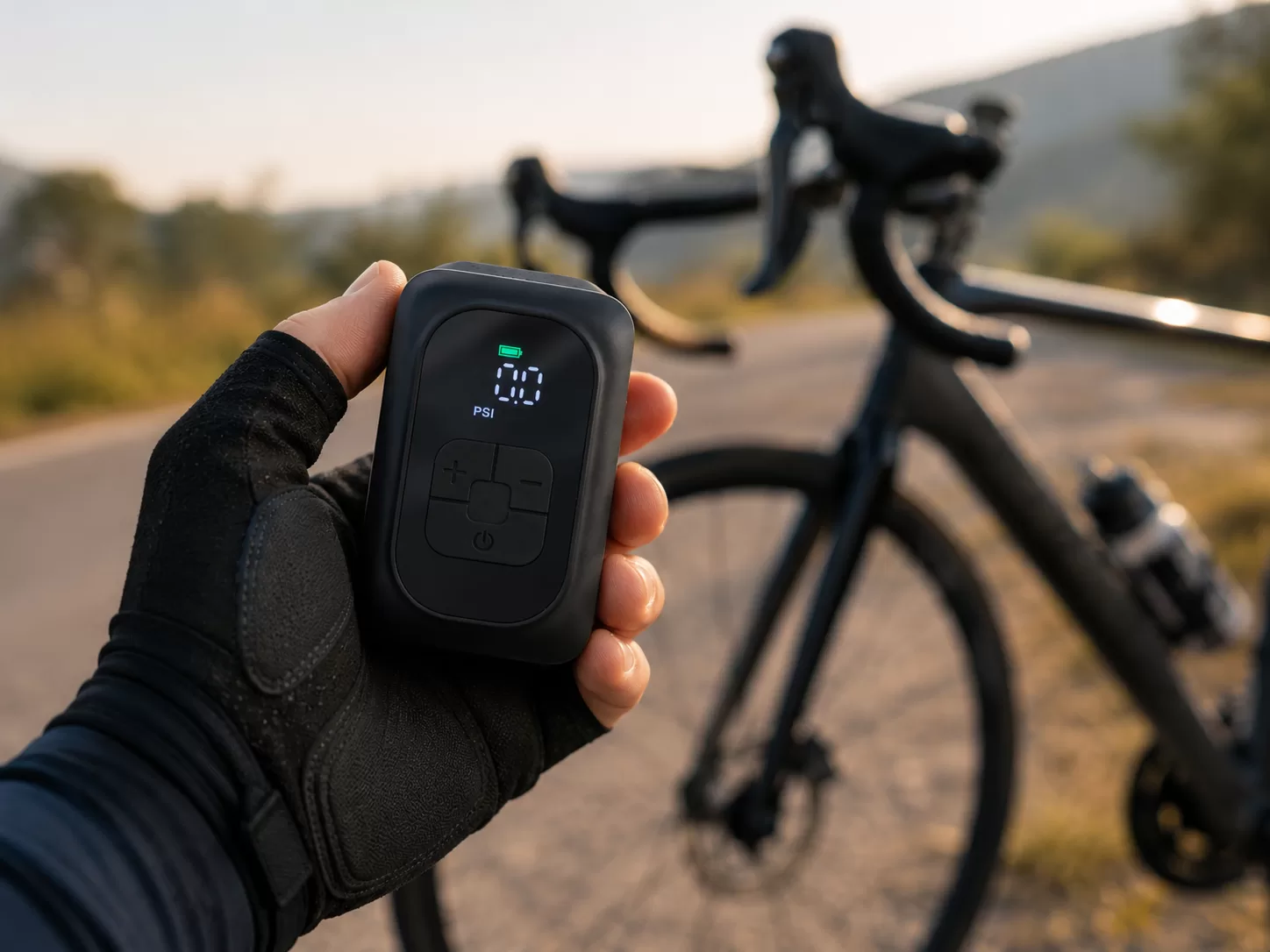
Are Electric Bike Pumps Worth It in 2026? Electric Pump vs CO₂ vs Mini Hand Pump
Discover whether electric bike pumps are worth it in 2026. This guide compares electric bike pumps, CO₂ inflators, and mini hand pumps for road cycling, gravel riding, commuting, and long-distance rides. Learn the pros, limitations, best use cases, and key features to look for before choosing the right portable tire... -
BL10-C Portable Electric Bike Tire Inflator: Small Size, Reliable Power for Every Ride
The BL10-C Portable Electric Bike Tire Inflator is a compact and lightweight mini electric bike pump designed for modern cyclists. With up to 120 PSI pressure, a digital LED display, preset pressure control, automatic shut-off, USB-C charging, and multiple valve adapters, BL10-C offers a convenient inflation solution for road bikes,... -
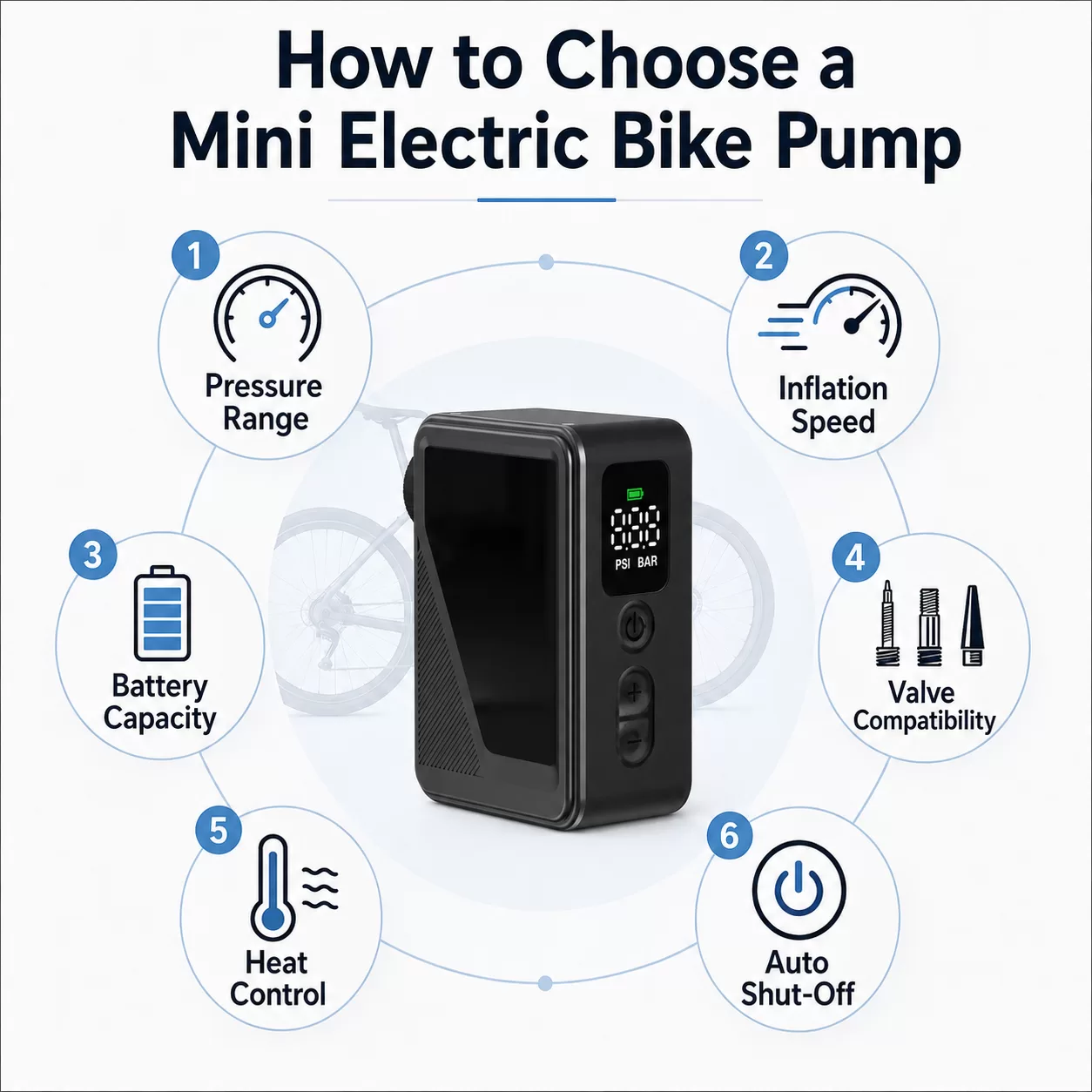
Why Mini Electric Bike Pumps Are Becoming Essential for Modern Cycling
Discover why mini electric bike pumps are becoming essential for modern cyclists. Learn how portable electric bike pumps improve tire pressure management, riding safety, and convenience.... -
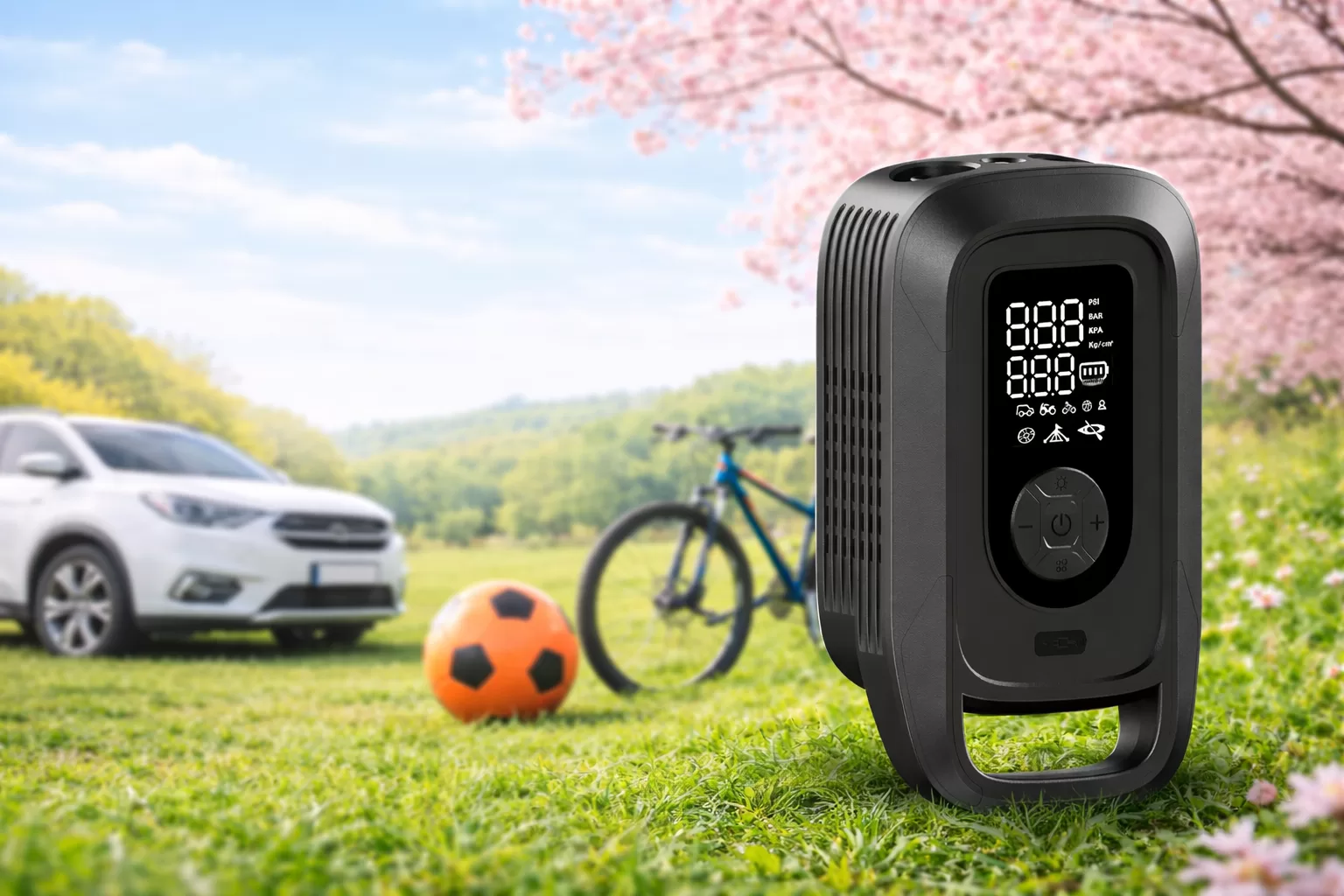
The Ultimate Smart Solution for Easy Outdoor Adventures in 2026
Discover how a spring travel air pump simplifies outdoor trips with fast inflation, smart features, and powerful performance—perfect for every adventure.... -
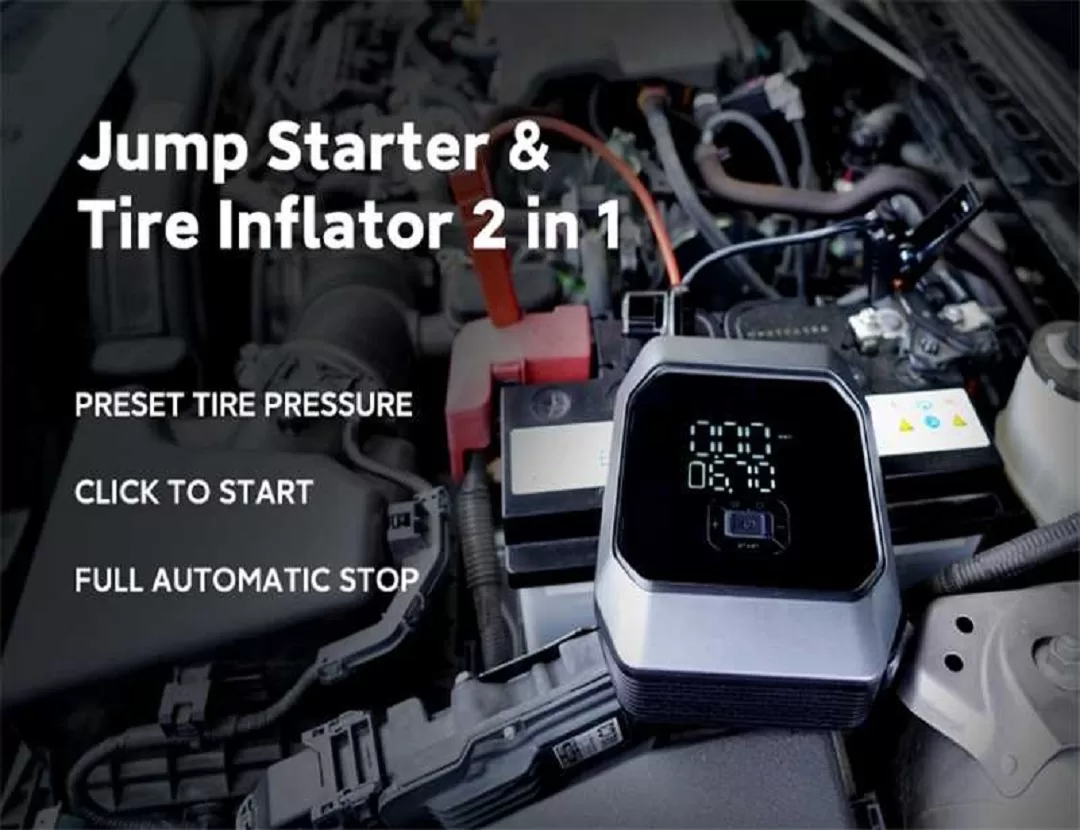
Powerful 5-in-1 Portable Car Tire Inflator and Jump Starter: The Ultimate Emergency Tool for Every Driver
Why Every Driver Needs a Portable Car Tire Inflator and Jump Starter Modern drivers face many unexpected situations on the road. A flat tire, low tire pressure, or a dead car battery can happen at the worst possible time. That’s why having a portable car tire inflator and jump starter is... -

7 Real Cycling Scenarios That Show Why Every Rider Should Carry a Mini Bike Pump
Cycling is one of the most freeing activities you can enjoy. Whether you’re commuting to work, riding through city streets, or exploring quiet countryside roads, a bike ride can instantly improve your day. But there’s one small problem that almost every cyclist eventually faces: Low tire pressure. It might happen...
-
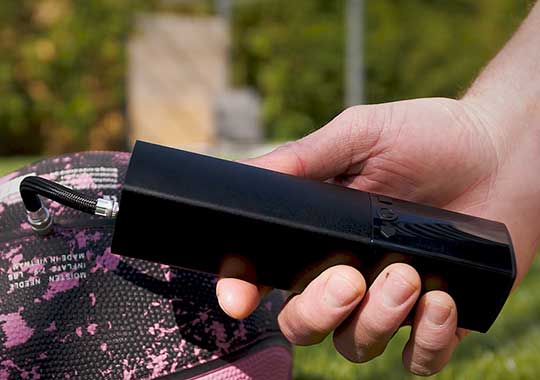
How Is a Football Properly Inflated?
The correct inflation of a football - with not too much and not too little air - is a hotly debated topic among footballers.... -
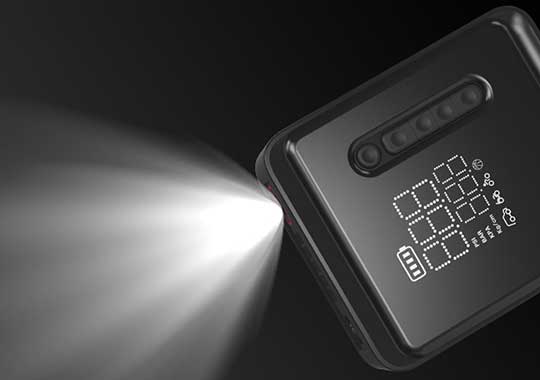
Application Scenarios of Car Inflator Pump
Often long-distance business trips or play car owners because the road may be more remote areas, in this case if you encounter a tire leak....