

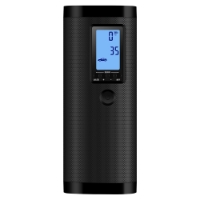
 Portable Tire Inflators
 Electric Air Pumps
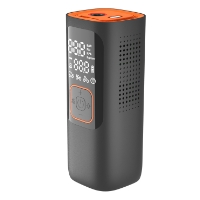 Electric Car Tyre Pumps
 Electric Ball Pumps
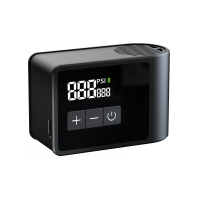 Electric Bike Pump
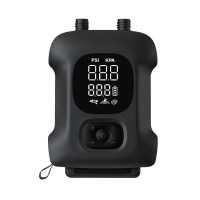 SUP Air Pump
Does the 150 PSI Output on Portable Tire Inflators Actually Make a Difference?
When your vehicle tire triggers a low-pressure warning on an empty highway, a reliable inflation tool shifts from an accessory to a necessity. Most portable tire inflators on the market claim a maximum output of 150 PSI. The immediate question for anyone evaluating these compact air pumps is whether such high pressure is genuinely necessary for everyday use, or just an arbitrary metric pushed by product spec sheets.
Understanding the engineering behind this 150 PSI capability reveals how portable inflation solutions balance power, thermal management, and practical application. It is less about constantly running at peak pressure and more about ensuring stability across varied tasks.
Why 150 PSI is the Standard Benchmark
A portable tire inflator built to reach 150 PSI does not mean you will regularly inflate your car tires to that level. Standard passenger vehicle tires generally require between 30 and 42 PSI. The higher maximum capacity acts as a performance buffer. When a pump is engineered to handle 150 PSI, it operates with far less strain when maintaining a 35 PSI load.
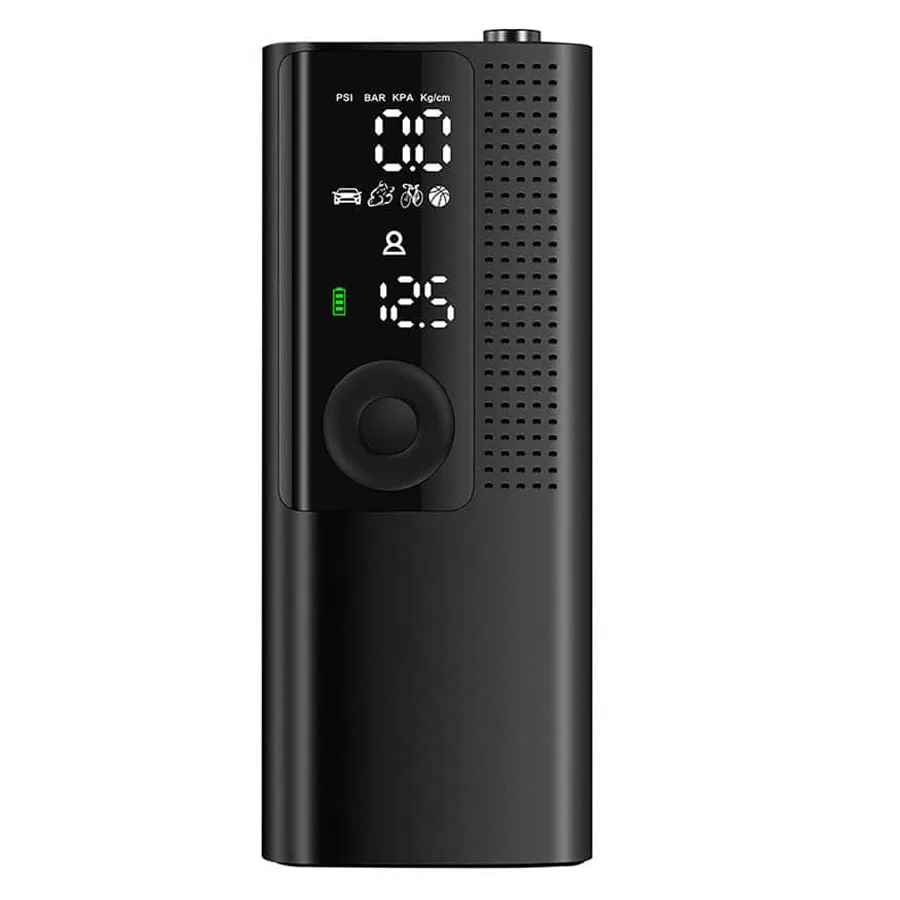
This buffer translates directly into mechanical longevity and sustained airflow. Devices like the WG01 series utilize a 17-cylinder air-pump structure powered by a 35W motor. A smaller cylinder struggling at its maximum limit will overheat quickly. A 17-cylinder system designed for 150 PSI can maintain a steady 20–22 L/min airflow, filling a car tire with minimal thermal stress.
The Physics of Compact Cylinder Structures
The core challenge of any battery-powered inflator is compressing ambient air into a confined space without generating destructive levels of heat. The friction from rapid piston movement creates significant thermal energy. When pushing air into a high-pressure environment, the resistance increases exponentially.
By employing a 17-cylinder structure, the internal mechanics can distribute this workload. A larger internal displacement per stroke means the motor does not have to spin at an unmanageable RPM to generate the necessary 20–22 L/min airflow. This design allows the inflator to comfortably handle the low-volume, high-pressure requirements of road bicycles (often requiring 90–110 PSI) alongside the high-volume, lower-pressure needs of automotive tires.
How Pressure Range Affects Everyday Utility
A broad 2–150 PSI pressure range ensures a single tool can service an entire household’s inflation needs. The lower end of the spectrum is just as critical as the maximum output.
Consider the different requirements:
- Passenger Vehicles: 30–42 PSI
- Motorcycles: 28–40 PSI
- Mountain E-Bikes: 25–40 PSI
- Road Bicycles: 80–120 PSI
- Sports Balls: 8–15 PSI
A guided LED interface is crucial when managing these distinct categories. Mode-oriented control layouts prevent accidental over-inflation. When you switch from filling a car tire to a basketball, the system recalibrates its automatic shut-off threshold. The automatic shut-off function stops the inflation precisely when the selected pressure is reached, mitigating the risk of bursting thin-walled bicycle tubes or sporting equipment.
Technical Specifications Comparison
To understand the baseline requirements for a capable portable air pump, we can look at the typical parameters that govern their performance.
| Parameter | Operational Impact | Typical Specification |
|---|---|---|
| Maximum Pressure | Dictates the range of compatible applications, particularly for road bikes. | 150 PSI |
| Airflow Rate | Determines the speed of inflation for high-volume automotive tires. | 20–22 L/min |
| Cylinder Structure | Influences thermal management and sustained operating time. | 17-cylinder |
| Power Output | Drives the compression process against increasing tire resistance. | 35W |
| Shut-off Mechanism | Prevents over-inflation through precise pressure monitoring. | Automatic |
Navigating Storage and Form Factor
The physical footprint of an inflator heavily dictates its real-world usefulness. A powerful pump left in the garage is useless during a roadside emergency. Modern portable tire inflators prioritize integrated designs. Built-in hose storage keeps the inflation hose securely attached to the compact pump body, preventing lost components.
This organized storage design ensures the device easily fits into glove compartments, motorcycle panniers, or cycling backpacks. When evaluating these tools, the structural integrity of the casing and the accessibility of the hose are vital factors that directly impact user experience during stressful roadside situations.
Frequently Asked Questions
Q: If my car tire only needs 35 PSI, will a 150 PSI pump over-inflate it?
A: No. Reliable models utilize an automatic shut-off function. You set the target pressure on the LED interface, and the pump stops precisely at that metric, regardless of its maximum theoretical output.
Q: Can a 17-cylinder pump inflate a completely flat car tire?
A: Yes. While it will take longer than a massive garage compressor, a well-engineered 17-cylinder portable pump delivering 20–22 L/min can inflate a completely flat standard passenger tire. It is primarily designed for topping off pressure and emergency rescue, rather than rapid high-volume shop work.
Understanding the mechanics behind portable tire inflators demystifies the specifications printed on the packaging. The 150 PSI metric is less about raw power and more about engineering a stable, versatile tool capable of managing everything from a slow automotive leak to routine bicycle maintenance. For us, ensuring that these internal components can handle sustained loads without overheating remains the fundamental baseline for reliable pneumatic technology.
-
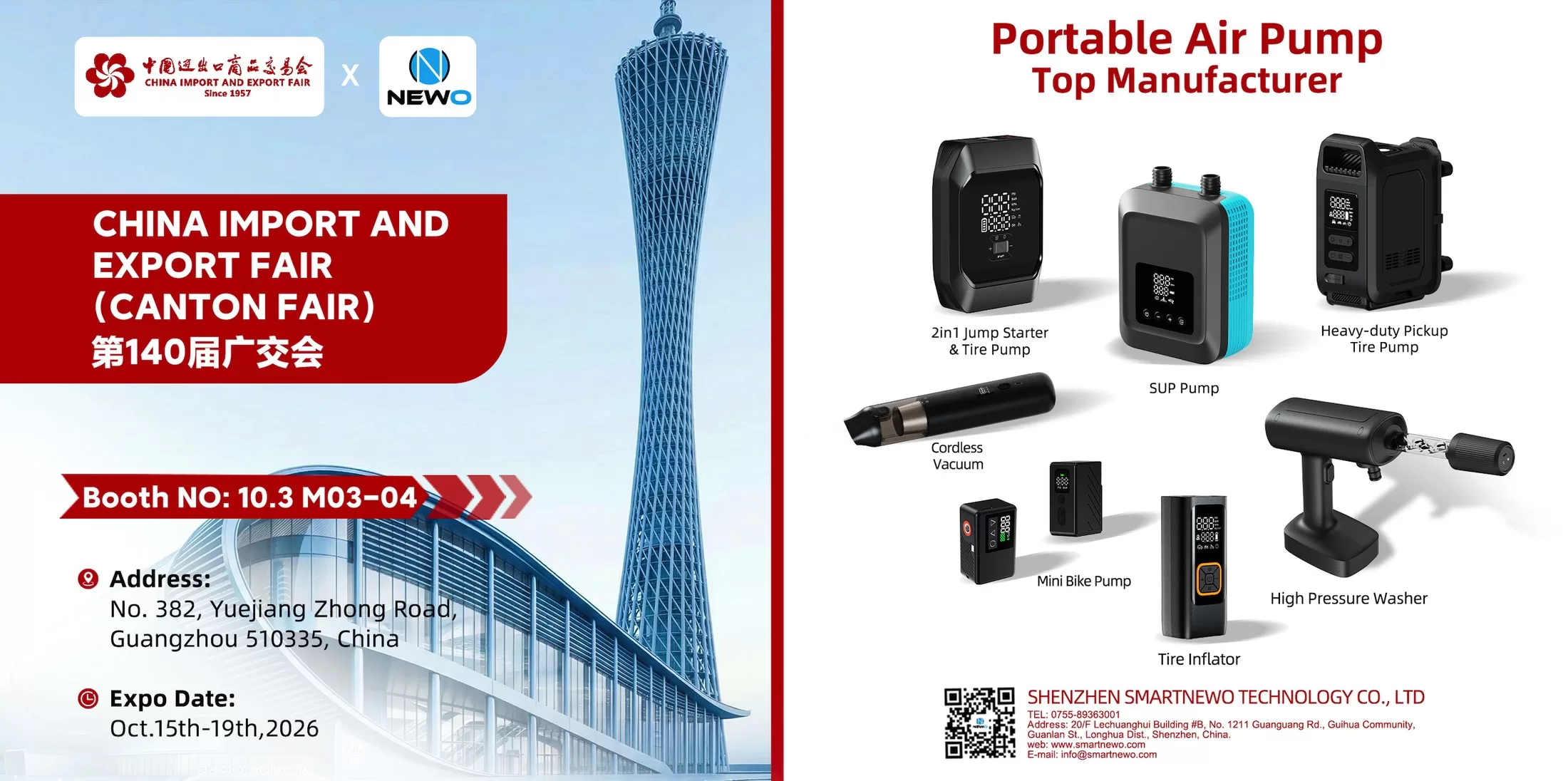
Meet NEWO at the 140th Canton Fair: Visit Booth 10.3 M03–04
Meet NEWO at the 140th Canton Fair in Guangzhou, October 15–19, 2026. Visit Booth 10.3 M03–04 to explore portable air pumps and discuss OEM, ODM and distribution opportunities.... -

As Shenzhen Welcomes the World for APEC 2026, NEWO Welcomes You to Our Factory
As Shenzhen prepares for APEC 2026, NEWO welcomes international buyers and partners to visit our factory, meet our team and explore future cooperation.... -
Leading the Way in Product Innovation and Excellence
Smartnewo exemplifies professionalism in product innovation and manufacturing. Their collaboration with Xiaomi Youpin on the G01 crowdfunding project highlights their expertise in creating compact, powerful inflatable pumps. Rigorous engineering, meticulous production processes, and advanced quality assurance underscore their commitment to excellence. The success of the G01 project, with significant market... -
Essential Qualities of an Excellent Supplier
In today's competitive market, finding a reliable supplier is crucial for business success. Based on insights from Smartnewo and broader internet research, here are key qualities an excellent supplier must possess:... -
NW06 Tire Inflator: Compact Power for Quick Inflation
Summary The NW06 Tire Inflator delivers quick and efficient tire inflation with a powerful 35L/min airflow. It features a user-friendly LCD screen for real-time pressure monitoring, dual power options with a built-in 6000mAh battery, and multiple nozzle attachments for versatile use. Its compact design and integrated LED light ensure convenience and... -
Unleash the Power of Portability: The SmartNewo Jump Starter with Air Compressor KF03
This guide will walk you through the steps to effectively use a portable tire inflator, helping you stay prepared and safe on the road.... -
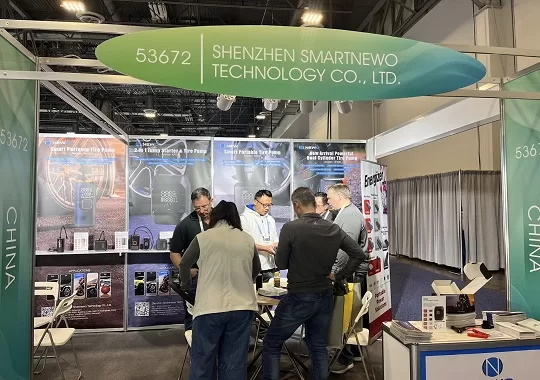
Newo Attends The 2024 Consumer Electronics Show (CES)
Smartnewo booth is located at 53672, Halls A-D, Level 2, Venetian Expo, Las Vegas Convention Center (LVCC). ... -
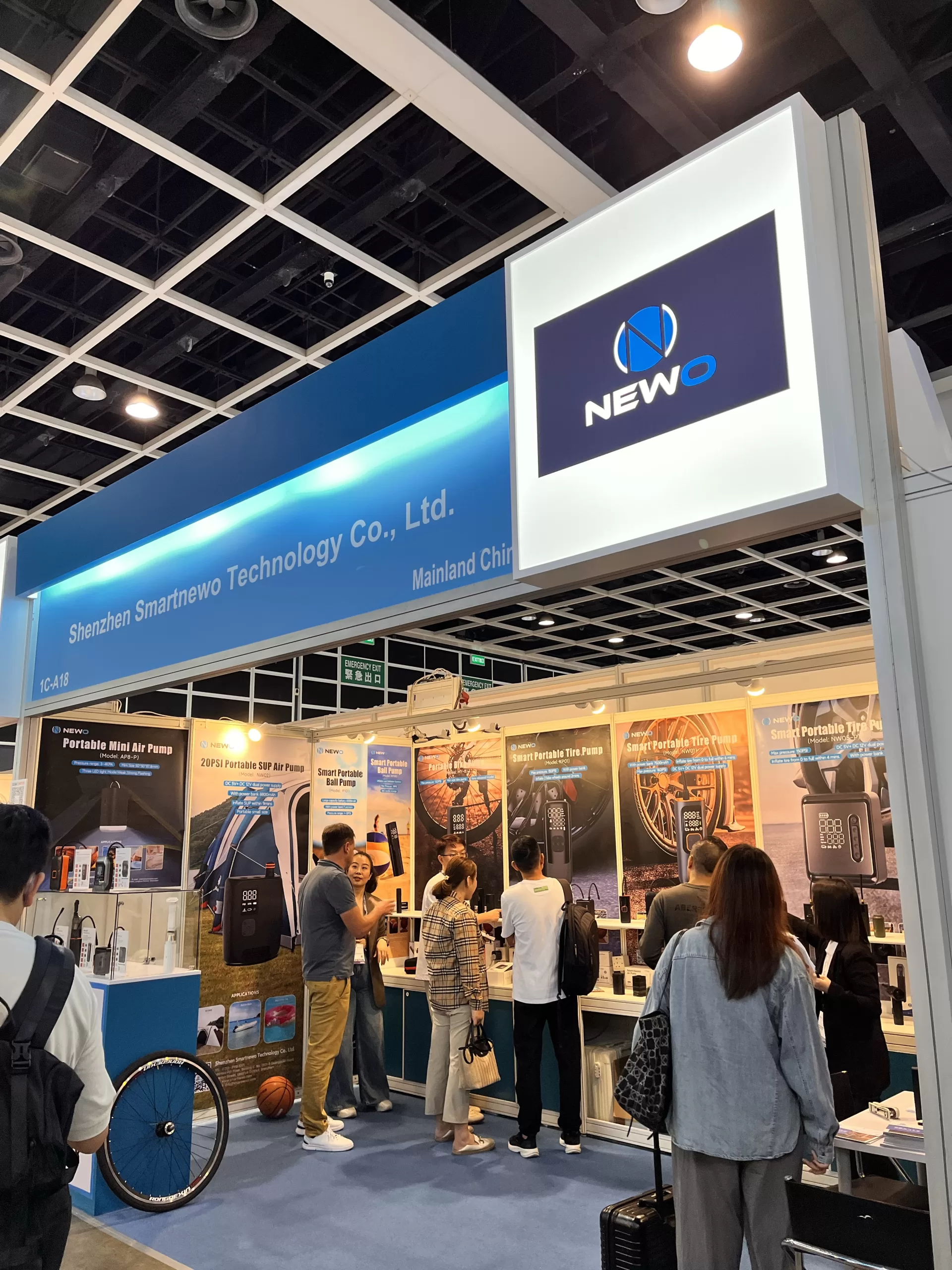
Smartnewo’s Dual-Cylinder Air Pump Rocks the Hong Kong Autumn Electronics Fair!
Smartnewo’s Dual-Cylinder Air Pump Rocks the Hong Kong Autumn Electronics Fair!... -

Meet at the Canton Fair! Smartnewo brings dual-cylinder air pumps, making your inflation experience faster and more stable!
NEWO has went deep communication and negotiation with customers from all over the world on booth.... -
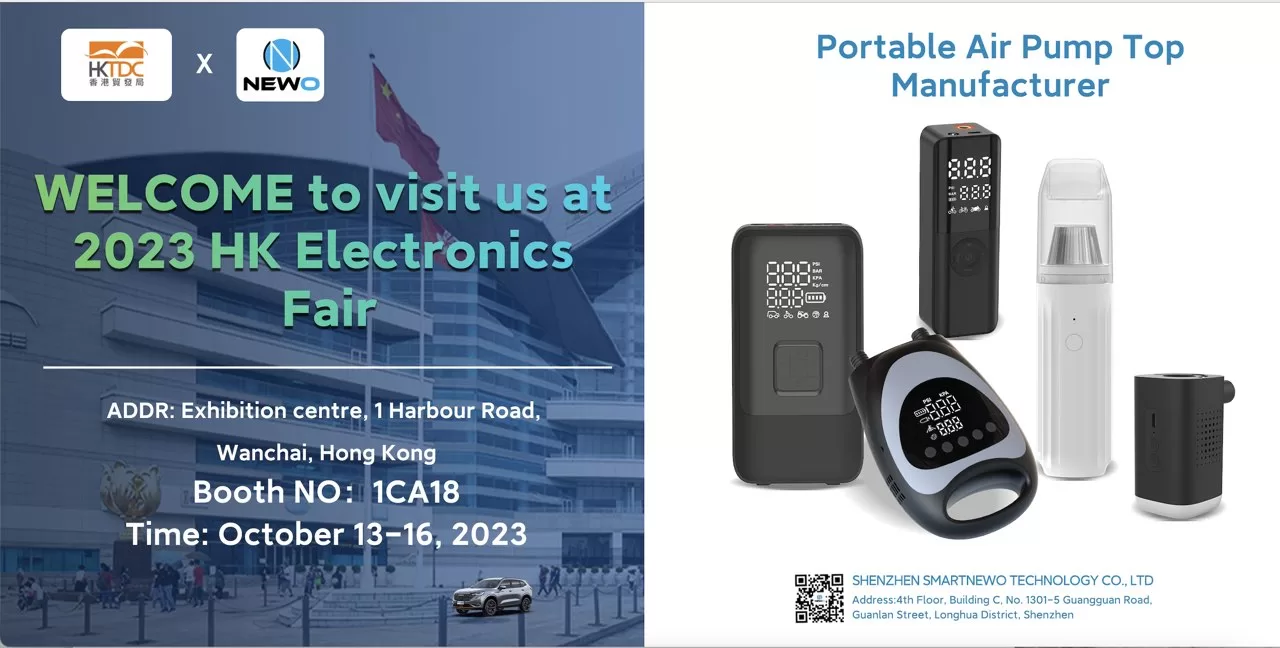
“Hong Kong Autumn Electronics Fair – 1CA18 (October 13th to 16th): Smartnewo invites you to visit our booth!
Hong Kong Autumn Electronics Fair...
-

How to Choose a Reliable Tire Inflator Manufacturer in China
Choose a tire inflator manufacturer in China with a focused RFQ, supplier evidence, configuration checks, and clear sample-to-pilot decisions for your brand.... -
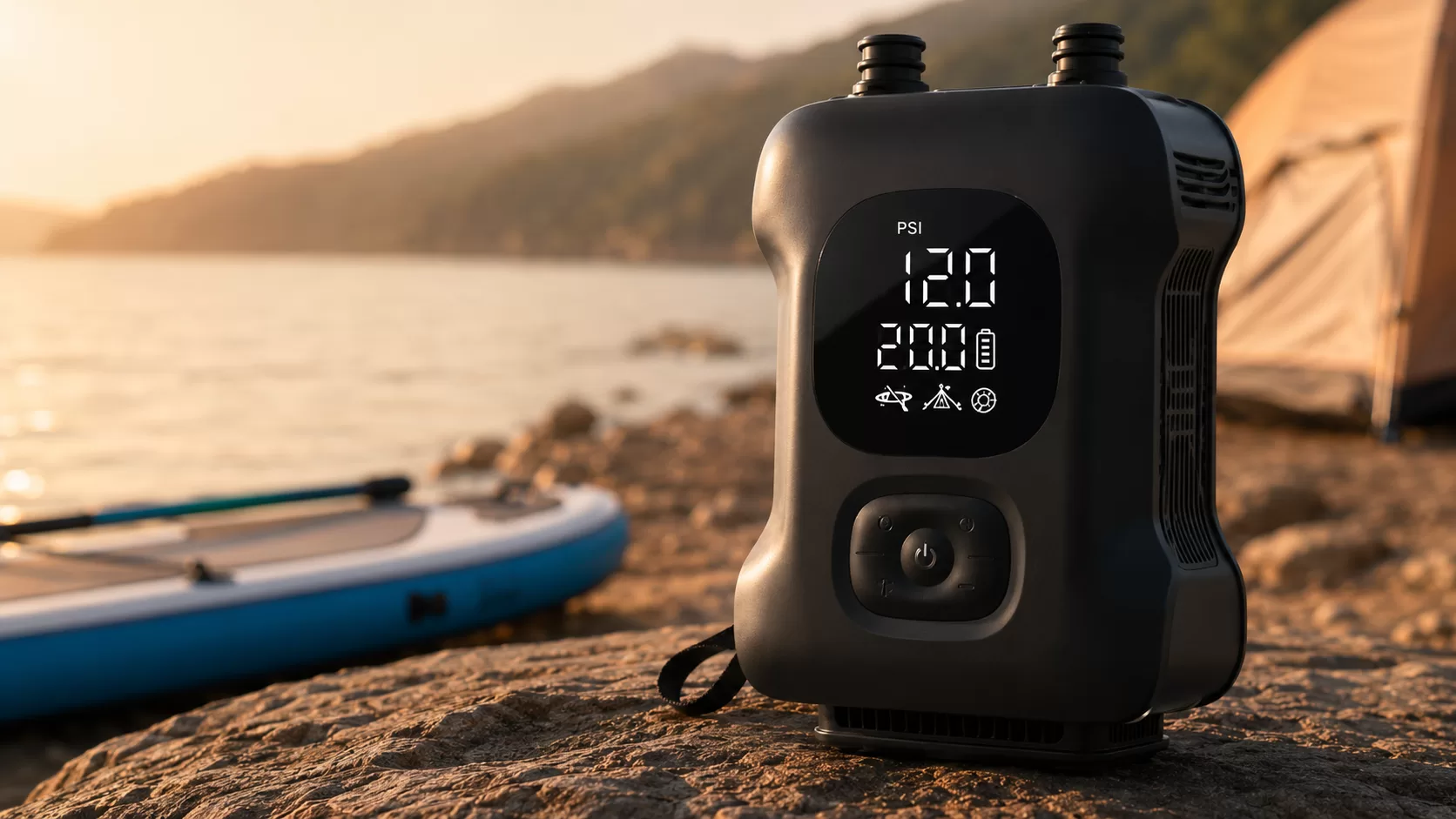
Rechargeable Electric SUP Pump for Paddle Boards: Faster Inflation for SUPs, Kayaks and Inflatable Tents
The BL10-C Portable Electric Bike Tire Inflator is a compact and lightweight mini electric bike pump designed for modern cyclists. With up to 120 PSI pressure, a digital LED display, preset pressure control, automatic shut-off, USB-C charging, and multiple valve adapters, BL10-C offers a convenient inflation solution for road bikes,... -
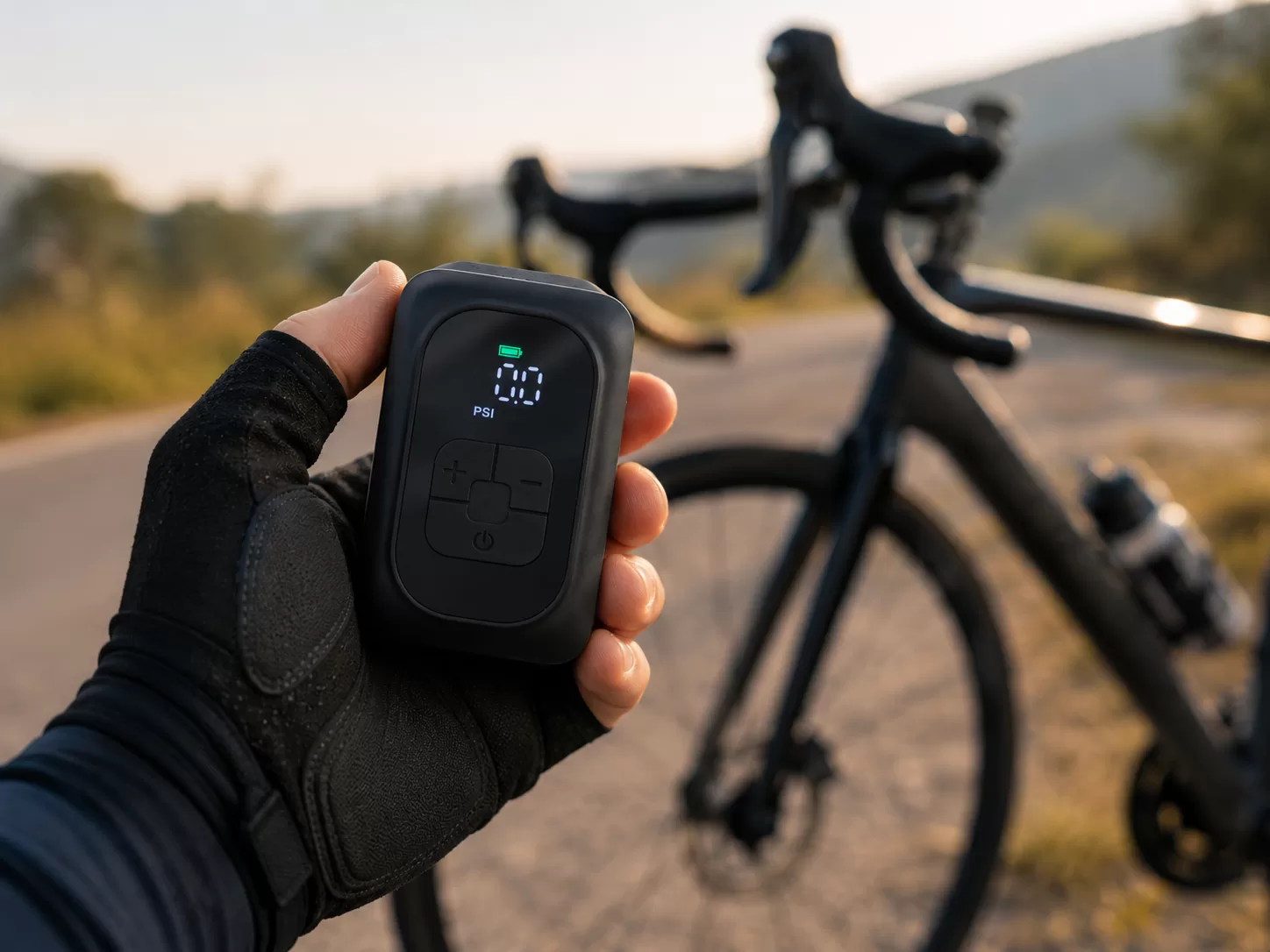
Are Electric Bike Pumps Worth It in 2026? Electric Pump vs CO₂ vs Mini Hand Pump
Discover whether electric bike pumps are worth it in 2026. This guide compares electric bike pumps, CO₂ inflators, and mini hand pumps for road cycling, gravel riding, commuting, and long-distance rides. Learn the pros, limitations, best use cases, and key features to look for before choosing the right portable tire... -
BL10-C Portable Electric Bike Tire Inflator: Small Size, Reliable Power for Every Ride
The BL10-C Portable Electric Bike Tire Inflator is a compact and lightweight mini electric bike pump designed for modern cyclists. With up to 120 PSI pressure, a digital LED display, preset pressure control, automatic shut-off, USB-C charging, and multiple valve adapters, BL10-C offers a convenient inflation solution for road bikes,... -
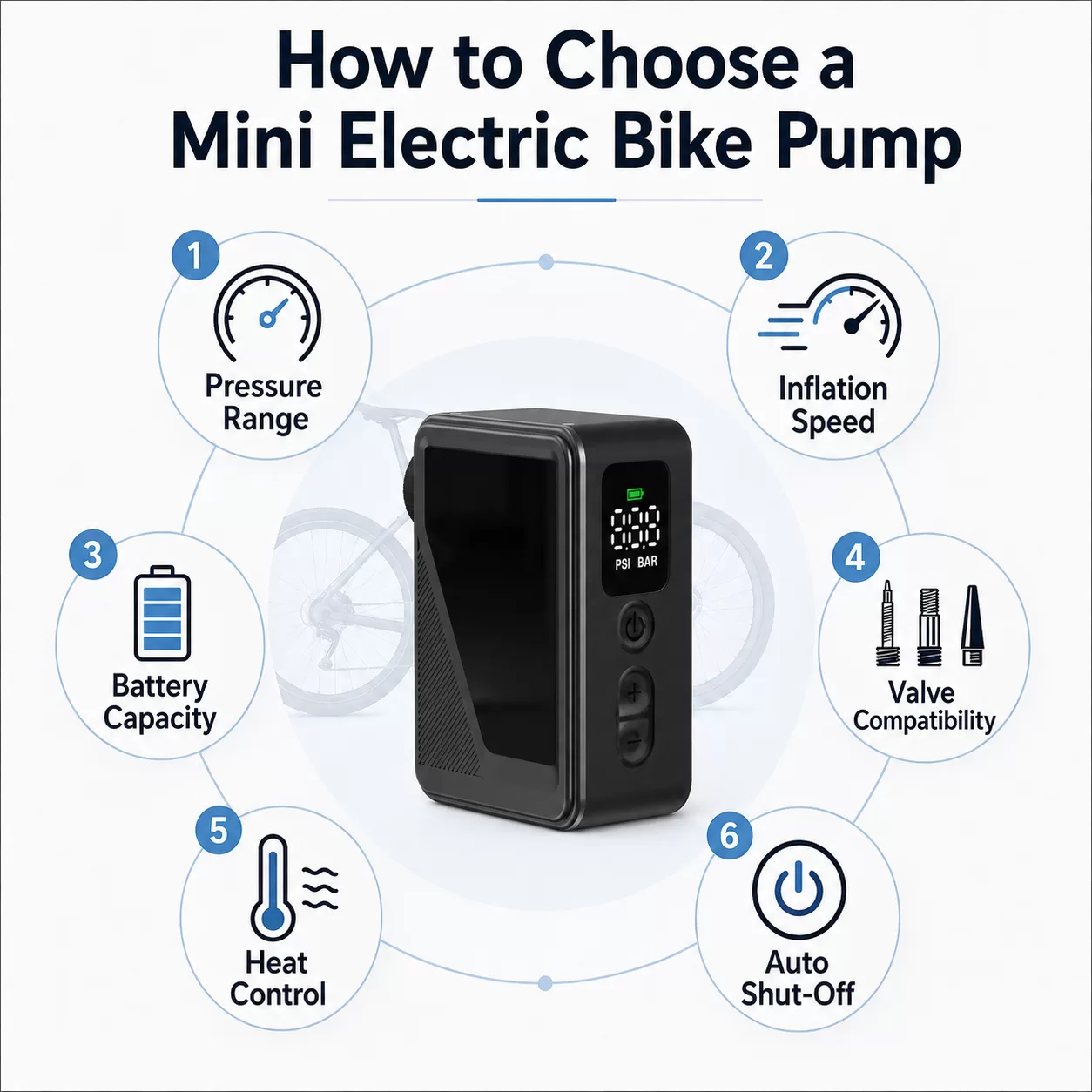
Why Mini Electric Bike Pumps Are Becoming Essential for Modern Cycling
Discover why mini electric bike pumps are becoming essential for modern cyclists. Learn how portable electric bike pumps improve tire pressure management, riding safety, and convenience.... -
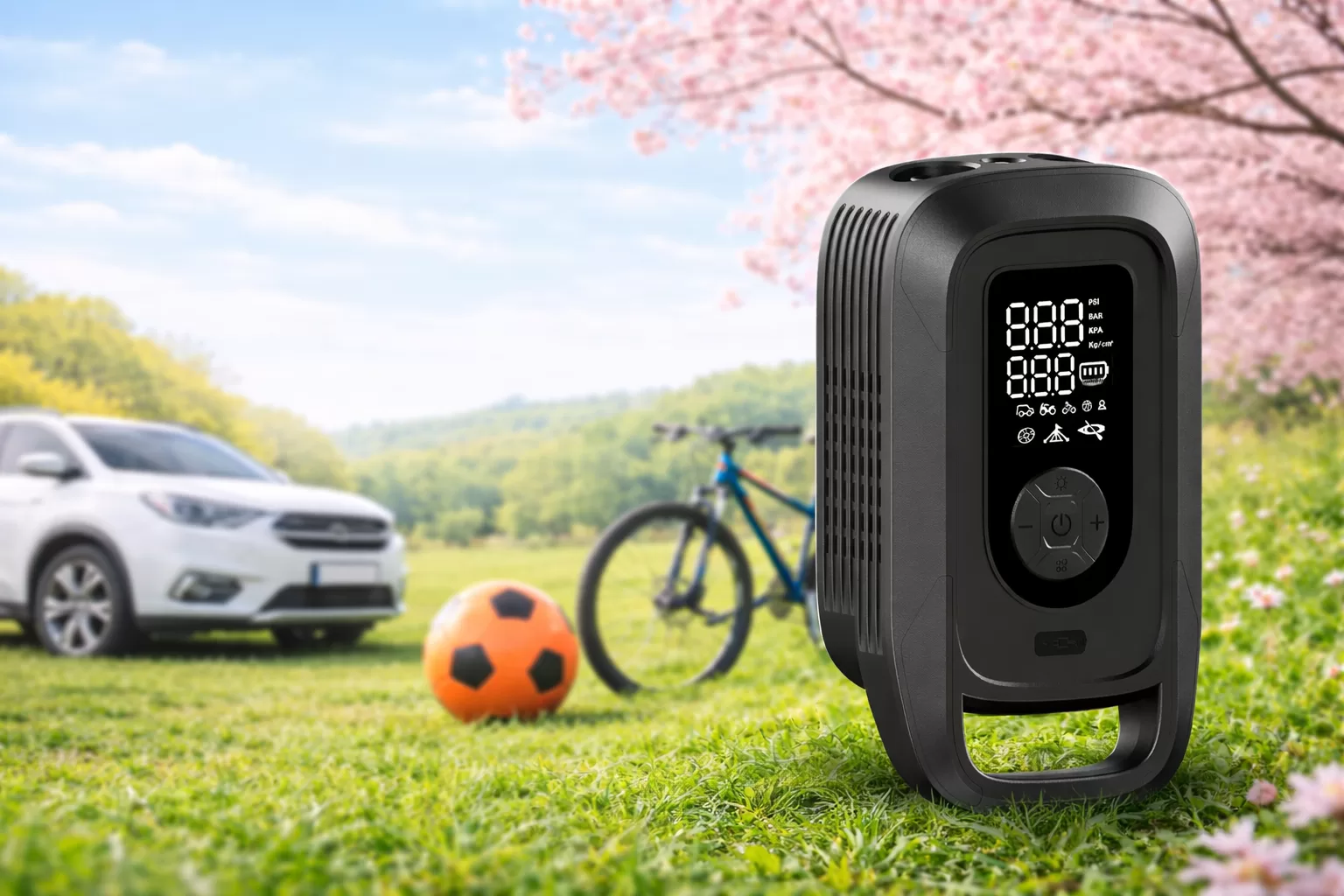
The Ultimate Smart Solution for Easy Outdoor Adventures in 2026
Discover how a spring travel air pump simplifies outdoor trips with fast inflation, smart features, and powerful performance—perfect for every adventure.... -
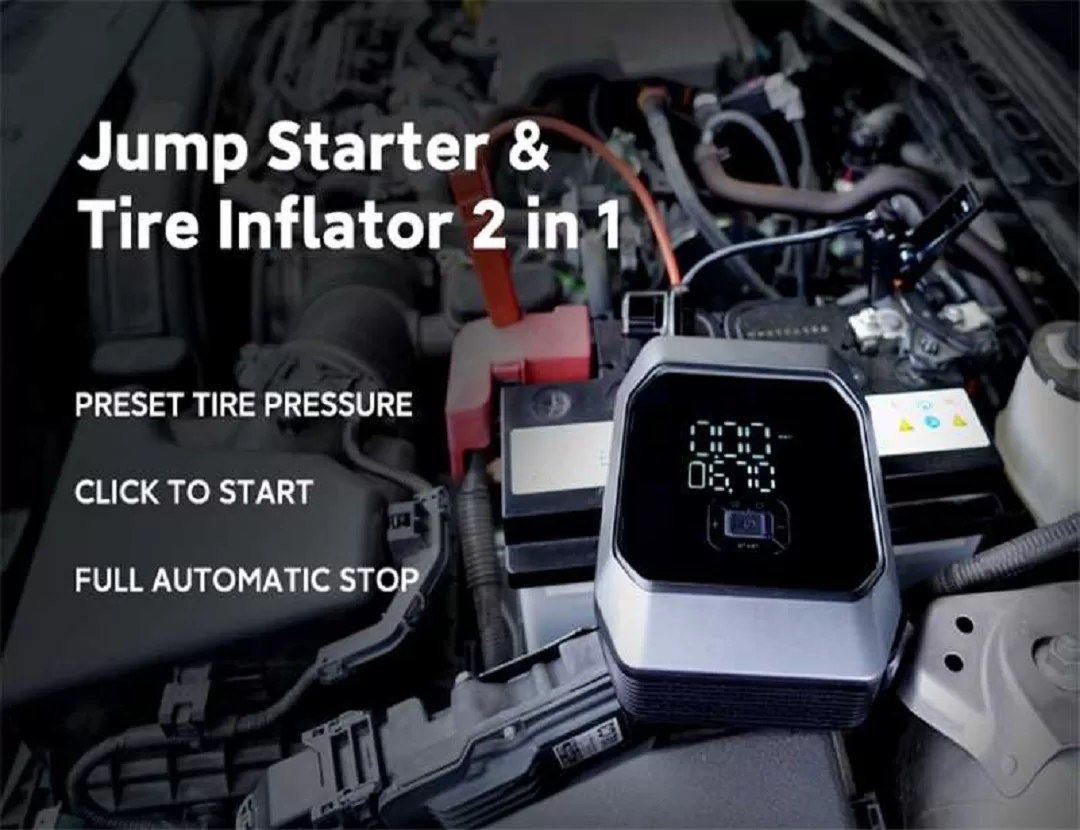
Powerful 5-in-1 Portable Car Tire Inflator and Jump Starter: The Ultimate Emergency Tool for Every Driver
Why Every Driver Needs a Portable Car Tire Inflator and Jump Starter Modern drivers face many unexpected situations on the road. A flat tire, low tire pressure, or a dead car battery can happen at the worst possible time. That’s why having a portable car tire inflator and jump starter is... -
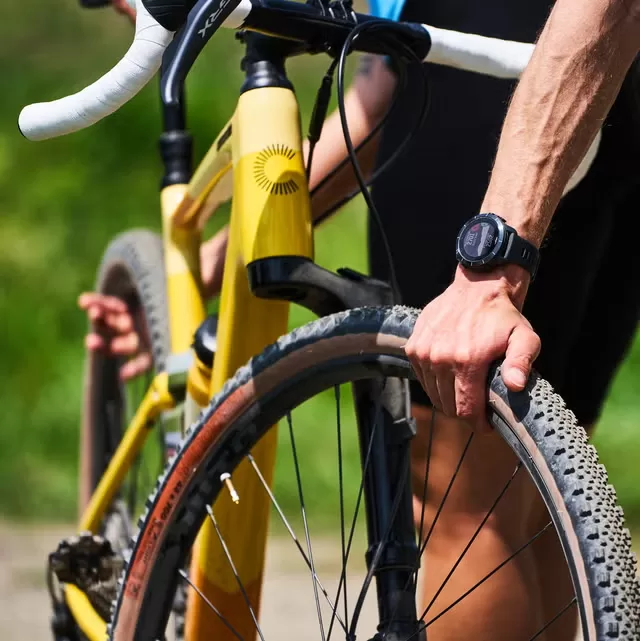
7 Real Cycling Scenarios That Show Why Every Rider Should Carry a Mini Bike Pump
Cycling is one of the most freeing activities you can enjoy. Whether you’re commuting to work, riding through city streets, or exploring quiet countryside roads, a bike ride can instantly improve your day. But there’s one small problem that almost every cyclist eventually faces: Low tire pressure. It might happen... -
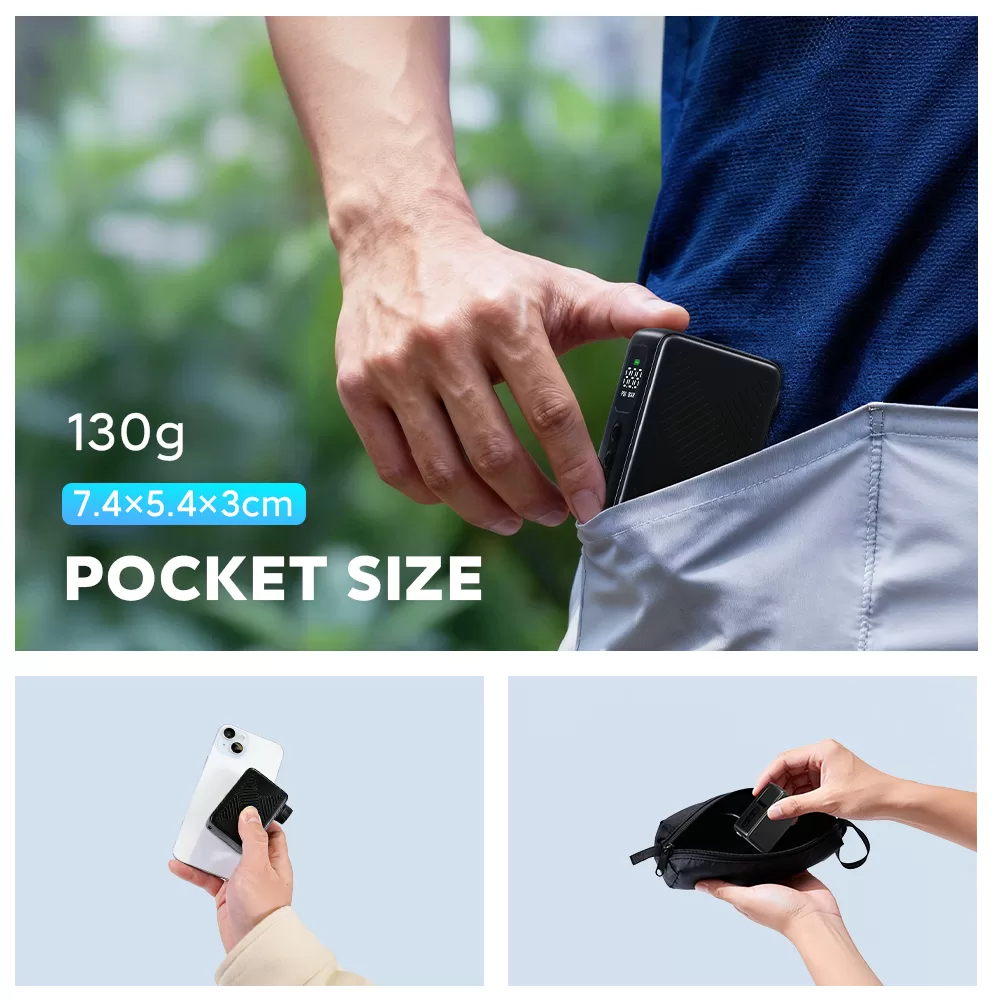
BL08-A Portable Electric Bike Pump: A Global Distribution Opportunity with Smartnewo
Smartnewo, a professional manufacturer of portable electric air pumps, introduces the BL08-A model — a compact and efficient inflator designed for global distributors, e-commerce sellers, and outdoor accessory brands seeking reliable OEM/ODM solutions. Table of Contents Main Heading Subtopics 1. Introduction: Expanding the Global Market for Smart Inflation Tools Portable... -
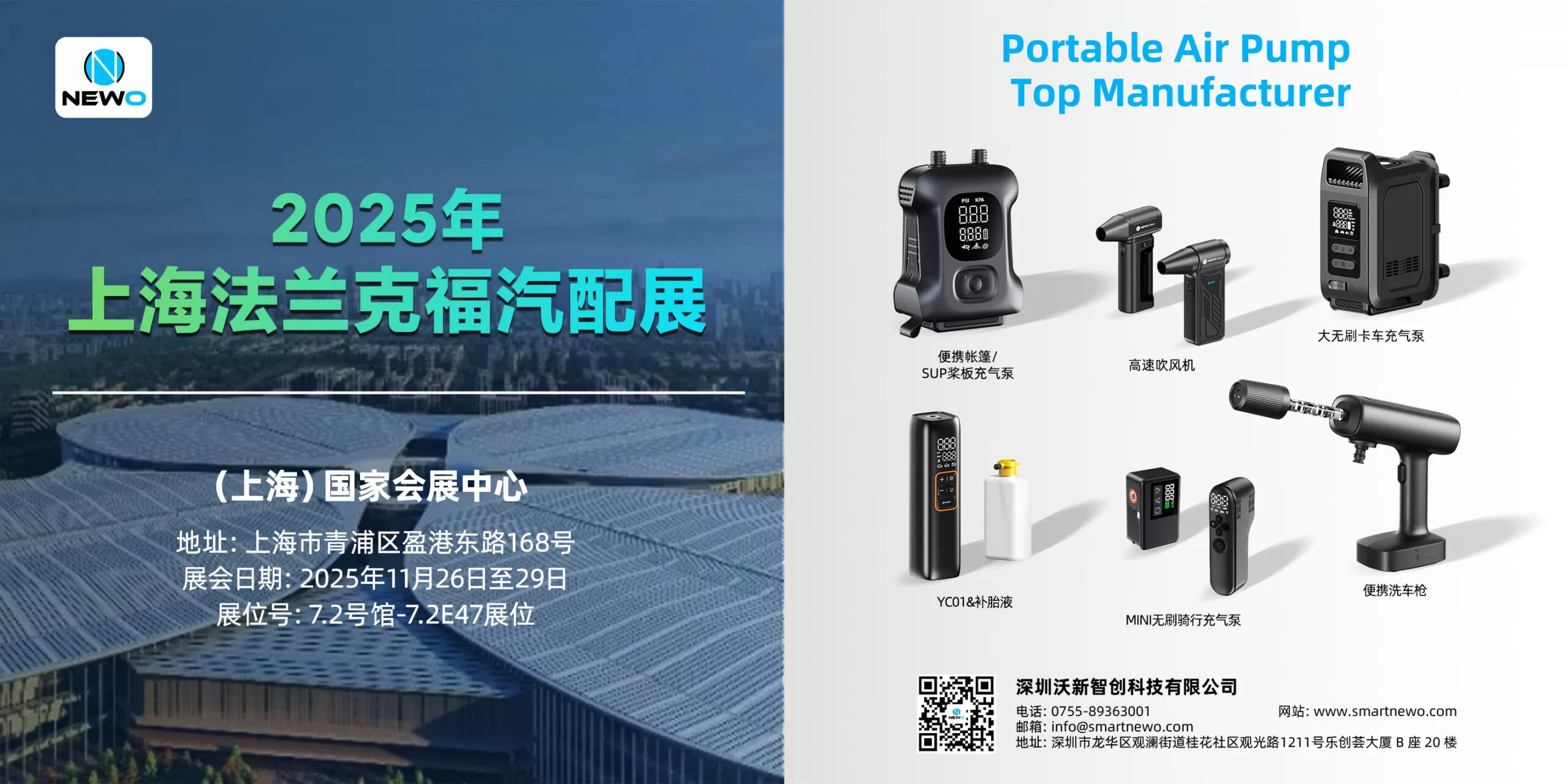
Connecting Opportunities at Automechanika Shanghai 2025 — Smartnewo Exhibition Day 1
Today marks an exciting beginning as Smartnewo officially opens its booth at Automechanika Shanghai 2025. As one of the largest and most influential automotive aftermarket exhibitions in the world, the show provides an exceptional platform for meaningful conversations, partnership building, and global industry exchange. Located at Booth 7.2E47, Smartnewo presents...
-
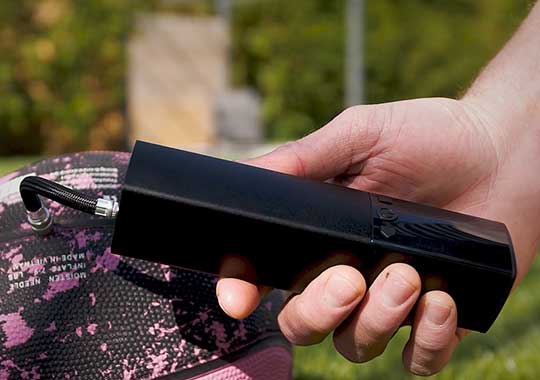
How Is a Football Properly Inflated?
The correct inflation of a football - with not too much and not too little air - is a hotly debated topic among footballers.... -

Application Scenarios of Car Inflator Pump
Often long-distance business trips or play car owners because the road may be more remote areas, in this case if you encounter a tire leak....