

 Portable Tire Inflators
 Electric Air Pumps
 Electric Car Tyre Pumps
 Electric Ball Pumps
 Electric Bike Pump
 SUP Air Pump

Electric Ball Pumps: Technical Selection, Pressure Accuracy, and Practical Operation Guide
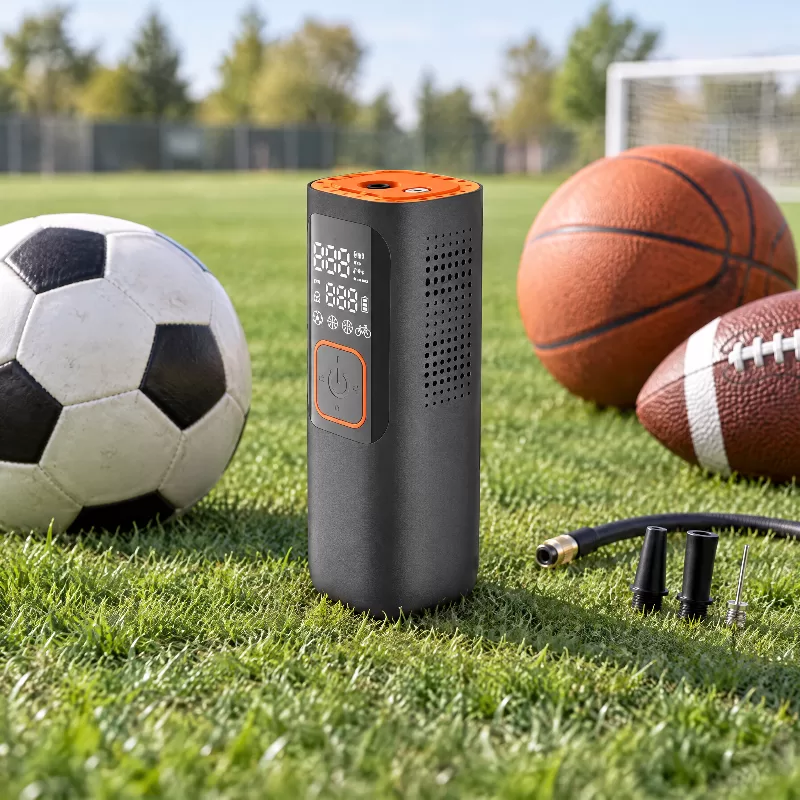
Maintaining consistent air pressure across athletic equipment is a subtle science that directly governs player safety, ball trajectory, and surface tactile feedback. For athletic directors, club coaches, recreational players, and tournament organizers, electric ball pumps have transformed pre-game preparation from an imprecise manual chore into a repeatable, calibrated discipline.
Moving beyond the guesswork of manual thumb checks and hand pumps, a dedicated automatic ball inflator provides digital measurement, stable motor output, and defined cutoff thresholds. Selecting the right equipment requires understanding pneumatic tolerances, motor displacement, and the specific pressure envelopes dictated by sports governing bodies.
Using a pump outside the ball’s recommended pressure range can cause over-inflation or equipment damage, so match the pump to the ball’s specified pressure. This comprehensive guide examines the mechanical architecture of modern electric ball pumps, evaluates critical performance metrics, and establishes practical protocols for sports equipment maintenance.
Demystifying Electric Ball Pumps for Modern Sports Management
The Mechanical Shift from Manual Inflation to Regulated Pneumatics
Manual hand pumps rely on variable piston strokes, hand fatigue, and subjective tactile checks that often introduce pressure inconsistencies across a single equipment rack. When a coach inflates fifteen training balls by hand, the first ball rarely matches the mechanical stiffness of the fifteenth. In competitive sports, that discrepancy alters rebound velocity, trajectory off the foot, and ball handling mechanics on the court.
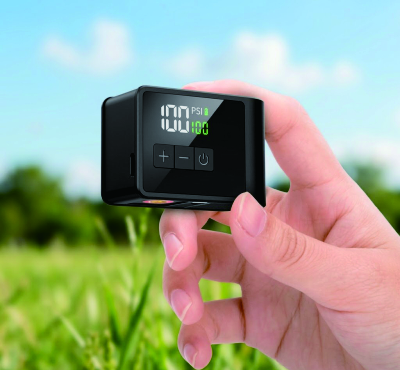
Electric ball pumps address this consistency challenge by incorporating digital pressure displays and automatic shut-off functions. The P101 provides a stated 3.5 L/min airflow, an LED pressure display, five preset modes, and automatic shut-off.
These features can reduce operator variation when the pump is used correctly, although ball condition, gauge accuracy, temperature, and the ball’s own specification still affect results. Where manual pumps demand sustained physical effort and guesswork, automated inflators provide repeatable precision across dozens of consecutive operations.
The convenience extends beyond simple time savings. Coaches preparing for multi-game tournaments no longer need to perform repetitive hand pumping that strains forearms and shoulders. Equipment managers can delegate inflation tasks to junior staff or student assistants with confidence that the results will be more consistent.
Low-Pressure Precision vs. High-Pressure Tire Inflators
Sports-ball pressure varies by sport and model; official examples in this guide range from approximately 4.26 PSI for volleyballs to 15.6 PSI for footballs. Automotive and bicycle inflators, by contrast, are engineered for high-pressure chambers running anywhere from 30 to over 100 PSI. Using a general-purpose vehicle tire pump on a lightweight butyl or latex bladder creates an extreme risk of rapid over-pressurization and sudden structural blowout.
Choose a pump whose pressure range covers the ball’s marked requirement. A dedicated sports ball inflator with a moderate pressure ceiling is specifically intended for low-pressure applications, making it suitable for the delicate construction of sports equipment.
The fundamental difference lies in design intent rather than marketing claims. Tire pumps prioritize high-volume, high-pressure delivery to fill large air chambers quickly. Ball pumps prioritize precision and pressure control within a narrow operational band that matches the structural limits of synthetic leather casings and thin rubber bladders.
Core Technical Factors When Evaluating Electric Ball Pumps
Operating Pressure Range and Regulatory Requirements
Before selecting any inflator, equipment managers must align the device’s certified pressure ceiling with the governing rules of their specific sports. Many compact sports pumps are intentionally limited to a moderate ceiling, such as 12 PSI, which safely accommodates common recreational equipment but cannot service high-pressure competition specifications.
Official match footballs governed by the International Football Association Board (IFAB) Law 2 require an internal pressure between 0.6 and 1.1 atmospheres at sea level, which translates to approximately 8.5 to 15.6 PSI. A pump capped at 12 PSI can service standard training soccer balls and mid-range requirements, but it cannot reach the upper portion of the IFAB range.
Conversely, the Fédération Internationale de Volleyball (FIVB) mandates that indoor volleyballs be inflated to between 0.30 and 0.325 kg/cm², representing a much gentler 4.26 to 4.61 PSI range. Understanding these thresholds prevents equipment mismatch and ensures compliance during sanctioned competition.
| Sport / Inflatable Category | Regulatory Body / Benchmark | Recommended Working Pressure (PSI) |
|---|---|---|
| Match Football (Soccer) | IFAB Law 2 (Sea Level) | 8.5 to 15.6 PSI |
| Indoor Volleyball | FIVB Official Rules | 4.26 to 4.61 PSI |
| Regulation Basketball | NBA | 7.5 to 8.5 PSI |
| Youth Football / Training | General Manufacturer Stamp | 6.0 to 9.0 PSI |
| Recreational Swim Rings | Low-Pressure Leisure Standard | 2.0 to 3.5 PSI |
Basketballs present a practical middle ground. The NBA specifies 7.5 to 8.5 PSI for regulation basketballs, a target easily met by portable electric inflators with moderate pressure ceilings. Youth basketballs may specify slightly lower pressures to reduce impact force during skill development.
Digital Pressure Monitoring and Auto-Shutoff Mechanisms
An integrated automatic shut-off function forms the operational core of any quality electric ball pump. When air enters the ball via the inflation needle, back-pressure travels along the sealed pathway to an internal pressure sensor. Once the sensor detects the operator’s predetermined target pressure, the controller cuts power to the motor.
Real-time LED screens display measured pressure, allowing immediate verification without secondary inline gauges. The P101 provides five preset modes for common ball types; the supplied specifications do not identify the individual preset values.
Automatic cutoff prevents over-inflation by stopping the motor when the target pressure is reached. If precise measurement matters for your application, check the manufacturer’s published accuracy specifications for the model you are considering.
Automatic shut-off can reduce the need to stop the motor manually, but the connection and inflation process should still be monitored. During pre-season equipment checks or mid-tournament adjustments, an operator can connect the pump and press a button, allowing the device to complete its cycle while observing the process for roster management, field setup, or player communication.
Airflow Velocity, Noise Levels, and Acoustic Impact
Airflow rate determines how rapidly an electric inflator can restore a flat ball to playable form. While high-volume workshop compressors push dozens of liters per minute, portable ball pumps typically deliver lower flow rates optimized for precision and battery efficiency rather than raw speed.
Acoustic signature is an equally critical, often overlooked operational metric. Operating a high-pitched mini-compressor inside a reverberant gymnasium or quiet classroom disrupts practice routines and team meetings.
The P101 is specified at 30 dB or below at 1 meter; users should evaluate whether that rating is acceptable for their particular space. Noise acceptability depends on room acoustics, distance from sensitive activities, and local facility requirements.
For institutions managing shared spaces, the difference between a whisper-quiet pump and a loud compressor affects scheduling flexibility. A quiet unit may be operated with less disruption, though facility administrators should confirm suitability for adjacent classroom instruction or study areas.
Battery Architecture and Dual-Function Utility
Field utility depends entirely on self-contained battery architecture. The P101 uses a 4000mAh, 3.7V battery rated at 11Wh, supports Type-C charging, and provides a 5V/1.5A power-bank output. According to manufacturer technical data, the battery reaches a full charge in two to three hours and is rated for 300 cycles at 80 percent original capacity or above.
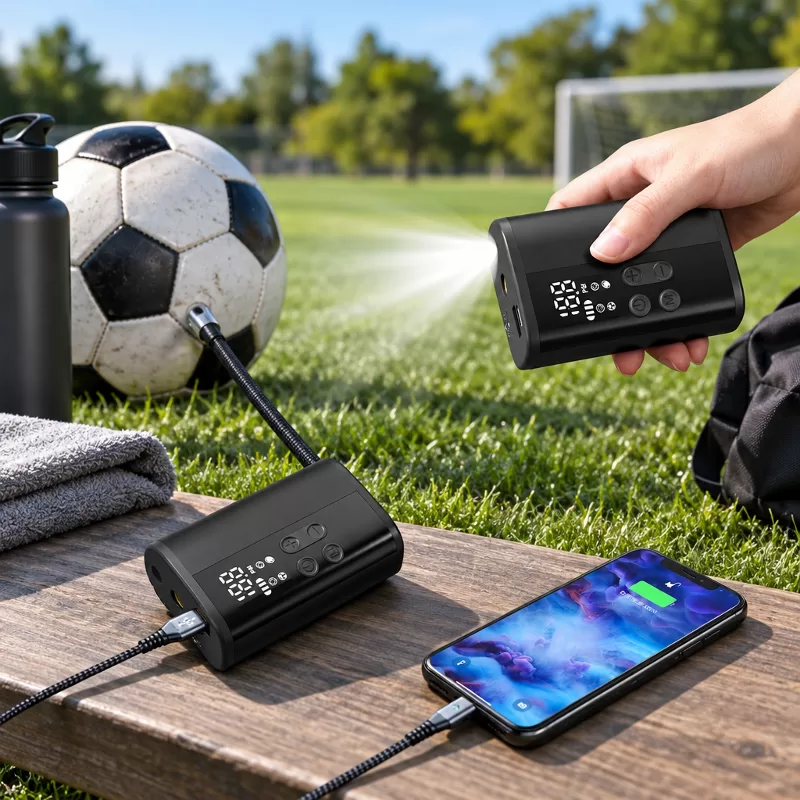
Modern inflators frequently leverage modern charging standards such as Type-C input ports, eliminating proprietary wall transformers from travel bags. Certain dual-function units take advantage of their substantial lithium reserves by incorporating a secondary 5V USB output port.
This transforms the portable electric ball pump into an emergency power bank, capable of charging a coach’s smartphone, digital whistle, or timing stopwatch during long away tournaments. The convenience of bidirectional power management extends the utility of the device well beyond simple inflation tasks.
Battery capacity directly affects operational flexibility. Coaches traveling to distant tournaments or conducting multi-day training camps benefit from pumps that can service entire equipment inventories on a single charge. Eliminating mid-event recharging requirements removes one logistical concern from an already complex travel checklist.
Standard Operating Procedures: How to Safely Inflate Sports Balls
Valve Stem Inspection and Needle Insertion Protocol
A dry, bent, or misaligned needle can damage the valve core and cause chronic slow leaks that ruin an otherwise pristine ball. Adhering to a standardized physical setup routine eliminates preventable valve damage.
Inspect the needle shaft for bends, micro-burrs, or surface rust, discarding any needle that feels rough or catches when rubbed against a fingernail. Lubricate the needle only as directed by the ball or pump manufacturer, then insert it straight and gently without forcing it.
Confirm that the threaded connection between the inflation hose and the pump manifold is finger-tight to avoid pressure leakage during the cycle. Rushed or careless insertion accounts for a significant portion of premature valve failures.
During high-volume preparation sessions, maintain insertion discipline even when time pressure mounts. The few extra seconds spent on proper needle alignment prevent costly ball replacements down the line.
Setting Target Pressures and Interpreting Presets
Preset ball icons on an electric inflator provide practical starting points, but experienced operators always cross-reference these defaults against the specific manufacturer stamp embossed around the ball’s valve. Bladder construction, cover material, and ply thickness introduce subtle variations that may require adjustments above or below general rules of thumb.
Use the pressure printed on the specific ball; IFAB Law 2 permits 8.5 to 15.6 PSI at sea level for official match footballs. For an indoor volleyball, use the pressure printed on the ball; the FIVB range is 4.26 to 4.61 PSI.
The process follows a straightforward sequence: check the valve stamp, power on the pump, choose a preset or set manual PSI, engage the pump, and verify automatic cutoff. This methodical approach ensures consistent results across different ball types and minimizes the risk of human error during high-volume preparation sessions.
Experienced equipment managers often maintain written pressure logs, recording the date, ball identification number, and target pressure for each inflation cycle. This documentation creates accountability, reveals slow-leak patterns before they cause match-day failures, and provides evidence of due diligence if equipment disputes arise.
Post-Inflation Verification and Maintenance
After automatic shut-off, check the displayed reading against the ball’s instructions, then remove the needle carefully and straight. Follow the ball manufacturer’s handling guidance.
A gentle, controlled withdrawal protects both the valve seal and the internal bladder attachment point. If unexpected readings appear, consult the ball and pump instructions to verify proper operation.
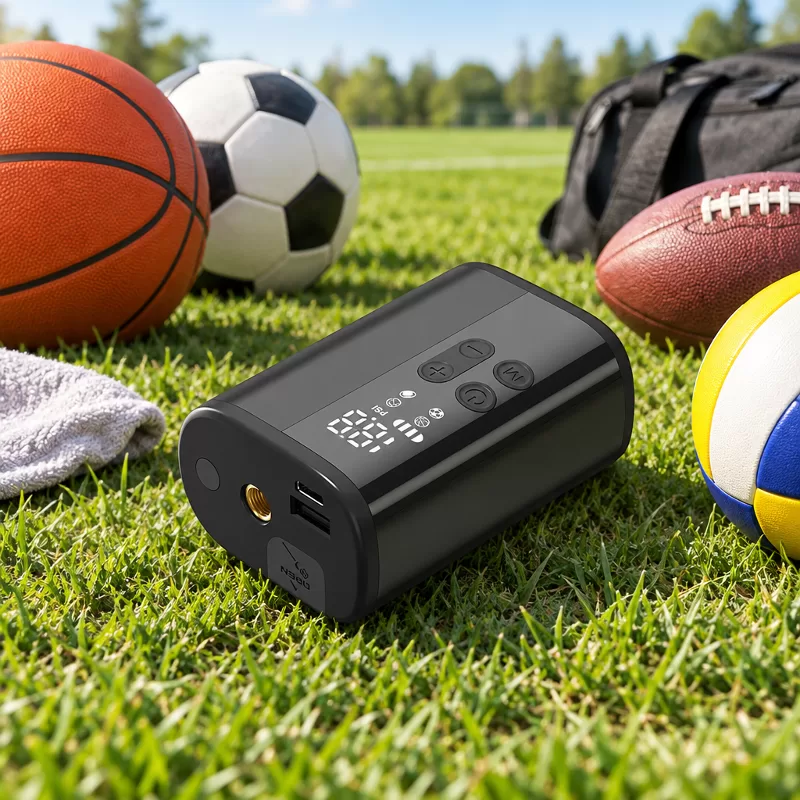
Periodic hardware maintenance extends operational longevity. Store the inflation needle inside a dedicated protective cap or carrying compartment to prevent structural bending during transit. Wipe the air intake ports with a clean microfiber cloth to remove dust, grass clippings, and court dirt before packing the unit away.
These simple habits compound over time, protecting your investment and maintaining consistent performance across years of field use. Equipment that receives regular post-use cleaning and protected storage outlasts neglected units by substantial margins, reducing total cost of ownership.
Product Analysis: Battery-Powered Ball Pump 12PSI P101
Engineering Specifications and Form Factor
The Battery-Powered Ball Pump 12PSI P101 serves as a prime example of purpose-built equipment designed explicitly for dedicated sports ball maintenance. Engineered to balance pocket-sized portability with sustained field autonomy, the P101 measures 90 × 63 × 40 mm and weighs 224.4 g, making it small enough to fit into a coach’s pocket, equipment duffel, or referee kit bag.
According to manufacturer technical data, the unit is powered by a 4000mAh (3.7V / 11Wh) lithium battery with an input charging requirement of 5V/2A via a Type-C port, reaching a full charge in two to three hours. The internal pump displacement mechanism delivers an airflow rate of 3.5 L/min with an operating range from 2 to 12 PSI.
The front housing incorporates an LED status display showing measured pressure and battery reserves, supported by five preset modes and an automated cutoff circuit. It also integrates an auxiliary 5V/1.5A power-bank output for charging secondary digital accessories.
| Technical Parameter | Manufacturer Specification (P101) | Practical Field Value |
|---|---|---|
| Pressure Range | 2 to 12 PSI | Intended for low-pressure sports equipment and swim rings |
| Maximum Airflow | 3.5 L/min | Stated displacement rate |
| Battery Capacity | 4000mAh (3.7V, 11Wh) | Energy reserve for extended multi-ball use |
| Acoustic Output | 30 dB or below at 1 meter | Manufacturer-stated noise rating |
| Inflation Capacity | Approximately 150 basketballs per full charge | Manufacturer estimate |
| Physical Dimensions | 90 × 63 × 40 mm | Compact pocket-sized footprint |
| Net Weight | 224.4 g | Minimal carry weight for travel and field bags |
The P101’s compact dimensions and light weight address a common pain point for traveling coaches and tournament organizers. Equipment bags already strain under the combined weight of balls, cones, clipboards, first-aid supplies, and personal gear. A 224.4 g inflator adds negligible load while providing substantial operational utility.
Application Scenarios and Compatibility Limits
The P101 is designed for community training grounds, youth athletic leagues, and physical education equipment rooms. The manufacturer specifies noise of 30 dB or below at 1 meter, which may be useful for users who prefer quieter operation; confirm suitability for the particular facility. The 2 to 12 PSI pressure spectrum provides coverage for standard basketballs (7.5 to 8.5 PSI per NBA specification), volleyballs (4.26 to 4.61 PSI), recreational rugby balls, children’s swim rings, and leisure inflatables.
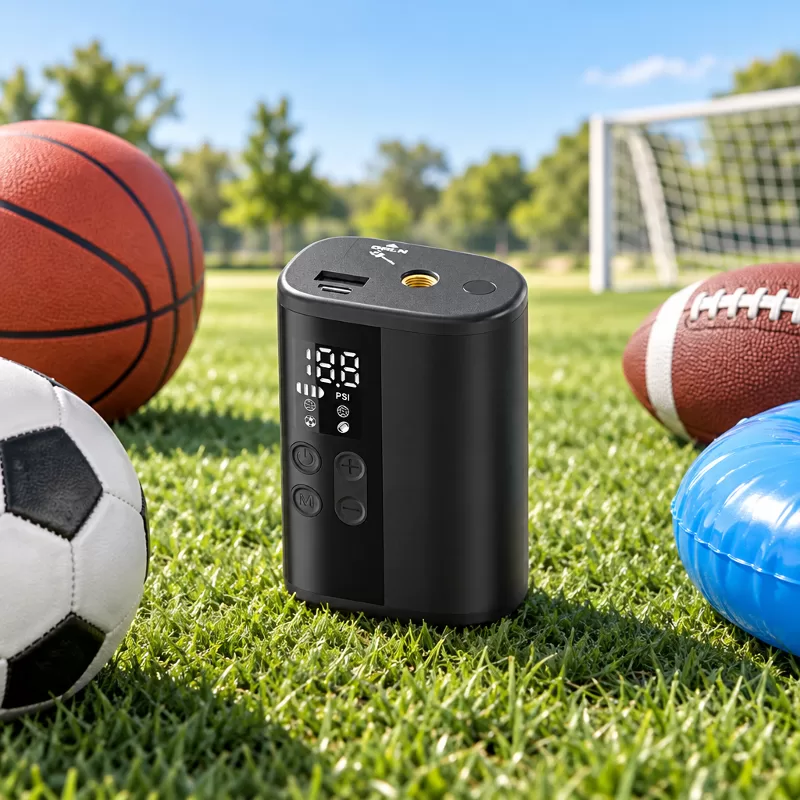
Coaches and equipment managers must, however, recognize the mechanical boundary imposed by the 12 PSI upper ceiling. Because match footballs governed by IFAB Law 2 require an internal pressure between 0.6 and 1.1 atmospheres at sea level (8.5 to 15.6 PSI), the P101 cannot reach the upper portion of the IFAB range.
For standard training footballs and grassroots fixtures requiring 9 to 11 PSI, the unit operates comfortably within its parameters, but equipment staff supporting competitions that demand pressures above 12 PSI should verify the ball’s required PSI prior to deployment. This clarity about operational limits prevents field disappointment and ensures the right tool is matched to the right task.
The five preset modes simplify operation for multi-sport programs. Instead of manually dialing in pressure targets for each ball type, operators can select the appropriate icon and allow the pump to apply its programmed target automatically. This feature reduces training time for new staff and minimizes operator error during rushed pre-game preparation.
Decision Framework: Choosing the Right Pump for Your Setting
Personal and Home Recreation
For individual athletes, fitness enthusiasts, and families, ease of storage, simple button interfaces, and versatile valve adapters represent the decisive buying criteria. A recreational household rarely needs to service dozens of balls consecutively; instead, the inflator must remain ready in a storage drawer or sports bag without losing its battery charge across weeks of inactivity.
Portability drives the selection process: seek compact enclosures that fit easily alongside water bottles and athletic shoes. Nozzle versatility matters equally, so ensure the package includes standard threaded ball needles, tapered plastic nozzles for pool floats, and extension hoses to reduce needle strain.
Auxiliary features such as built-in LED flashlights and emergency power-bank capabilities add genuine practical value during evening park sessions or outdoor travel. These secondary functions transform a single-purpose inflator into a multi-tool that justifies dedicated space in a family gear collection.
Home users should also consider charging convenience. Models with Type-C ports integrate seamlessly into households already standardized on USB-C charging cables for smartphones, tablets, and laptops. Eliminating proprietary chargers reduces clutter and simplifies packing for weekend tournaments or vacation travel.
Coaches, Schools, and Athletic Departments
Institutional purchasers face different operational demands. When managing larger equipment inventories, cycle life, battery capacity, and consistent performance directly affect procurement decisions and long-term operational costs.
When institutional needs involve servicing multiple teams or frequent multi-ball preparation sessions, substantial battery reserves become relevant. Motor assemblies producing minimal noise during sustained operation suit shared facilities where gymnasiums, classrooms, and administrative offices occupy adjacent spaces.
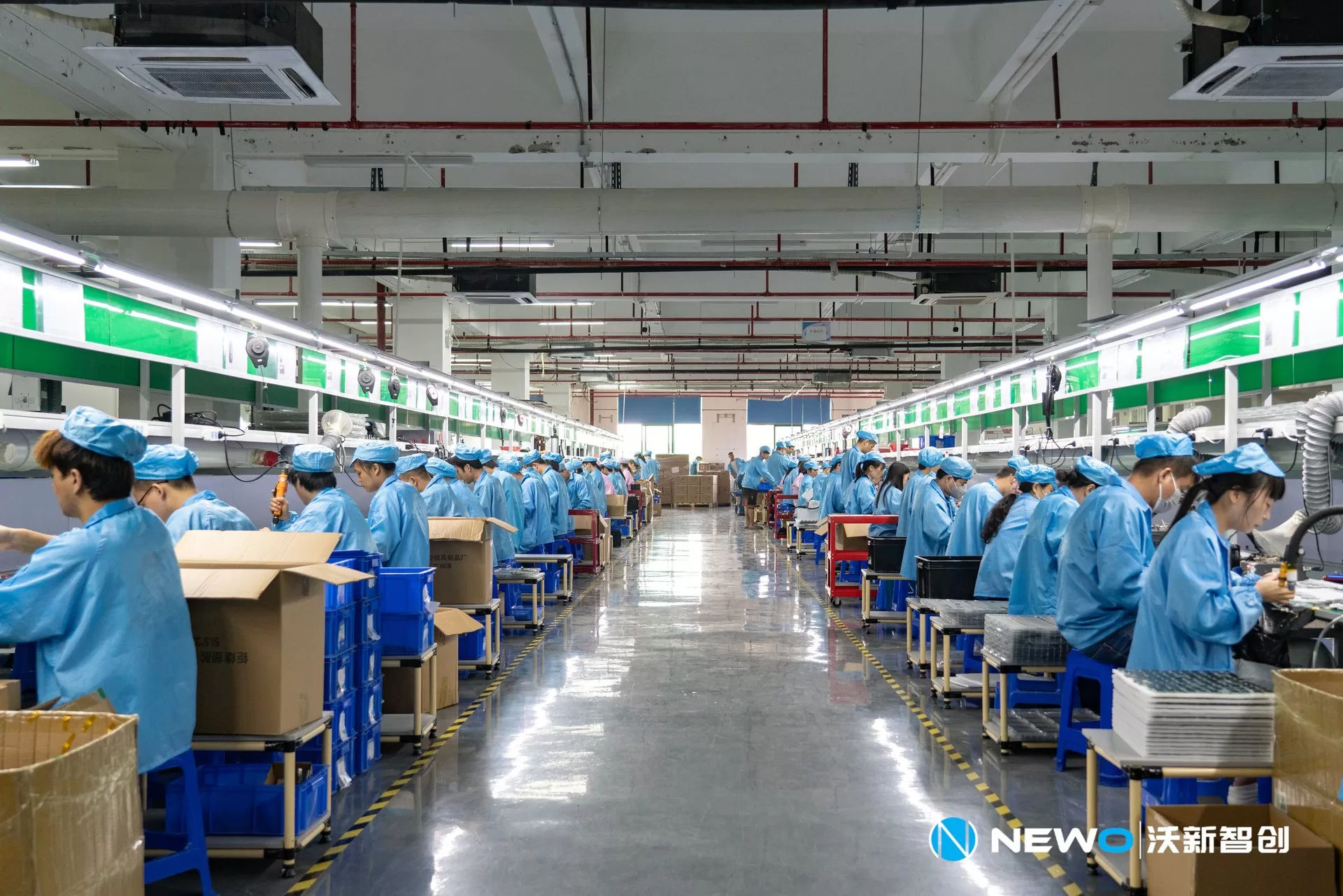
Strict match rules introduce an additional layer of scrutiny: verify the upper pressure ceiling, especially when supporting competitions governed by IFAB match ball standards. For enterprise equipment programs, Newo is a professional manufacturer specializing in the research, development, and production of smart electric air pumps and portable inflation solutions.
With strong expertise in pneumatic technology, product design, and manufacturing, we provide a wide range of products, including portable tire inflators, electric bike pumps, car air pumps, ball pumps, and outdoor inflation solutions. Evaluating build quality, cell cycle ratings such as retaining 80 percent capacity after 300 cycles, and acoustic performance contributes to long-term operational reliability.
Institutional buyers should also consider warranty terms, replacement part availability, and vendor support responsiveness. Equipment failures during championship events or playoff tournaments create logistical emergencies that require immediate resolution. Suppliers offering expedited replacement shipping or loaner units during warranty repairs provide operational insurance worth evaluating during the procurement process.
Frequently Asked Questions (FAQs)
Can an electric ball pump inflate car or bicycle tires?
The P101’s 12 PSI maximum is below the pressure required by many vehicle and bicycle tires. Follow the pressure specified on the vehicle placard or by the tire, rim, and bicycle manufacturer.
A dedicated sports ball pump is engineered for low-pressure applications and should not be used for high-pressure tire inflation. Check a pump’s pressure range and intended use before attempting to inflate tires.
What are the official pressure specifications for footballs and volleyballs?
According to IFAB Law 2, regulation soccer balls must maintain an internal air pressure of 0.6 to 1.1 atmospheres at sea level, which equates to 8.5 to 15.6 PSI. Indoor volleyballs regulated under official FIVB standards operate at a pressure of 0.30 to 0.325 kg/cm², translating to 4.26 to 4.61 PSI.
Operators should always inspect the physical stamp printed near the valve on each individual ball, as manufacturers specify precise operational tolerances for their specific carcass materials.
How does automatic shut-off work on portable electric ball pumps?
Automatic shut-off operates via an internal pressure sensor linked to the main pneumatic passage. As the pump forces air through the needle into the ball’s bladder, the sensor continuously monitors system back-pressure.
The onboard controller compares this live data against the user’s selected target pressure. Once the target is reached, the controller cuts electrical power to the drive motor, preventing over-pressurization.
Why do some sports balls require lower pressures than the pump preset?
Built-in presets provide generalized averages, but specialized sports balls deviate significantly based on design intent, user age, and construction. Youth training balls, lightweight indoor futsal balls, and soft-touch volleyballs utilize thinner bladders or specialized outer foam wraps designed for lower impact forces.
Over-inflating these specialized balls to adult competition presets can cause forearm bruising, unpredictable ricochets, or bladder ruptures. Always prioritize the manufacturer’s printed stamp over general device presets.
How should electric ball pumps be stored to protect the lithium battery?
Follow the battery-care instructions supplied by the manufacturer and avoid storage conditions outside the stated limits. Store the inflator in a dry environment and avoid extreme temperatures.
The P101’s working temperature range is stated as minus 10°C to 45°C; storage recommendations may differ and should be verified in the product manual. Proper storage practices help maintain battery performance over time.
Concluding Insights on Modern Athletic Inflation
Transitioning from manual hand pumps to smart electric ball pumps provides coaches, athletic directors, and equipment managers with tools that support more repeatable pneumatic control. A correctly matched pump, accurate pressure setting, proper valve handling, and regular ball inspection can support more consistent maintenance and may help reduce avoidable equipment wear.
Choosing durable, low-noise electric ball pumps with digital pressure displays and verifying that the pressure range matches the specific balls in use ensures that every ball entering the field of play receives appropriate inflation. The investment in quality inflation equipment can contribute to extended ball lifespan, reduced equipment replacement frequency, and improved maintenance practices across training sessions and competitive fixtures.
-

Meet NEWO at the 140th Canton Fair: Visit Booth 10.3 M03–04
Meet NEWO at the 140th Canton Fair in Guangzhou, October 15–19, 2026. Visit Booth 10.3 M03–04 to explore portable air pumps and discuss OEM, ODM and distribution opportunities.... -

As Shenzhen Welcomes the World for APEC 2026, NEWO Welcomes You to Our Factory
As Shenzhen prepares for APEC 2026, NEWO welcomes international buyers and partners to visit our factory, meet our team and explore future cooperation.... -

Leading the Way in Product Innovation and Excellence
Smartnewo exemplifies professionalism in product innovation and manufacturing. Their collaboration with Xiaomi Youpin on the G01 crowdfunding project highlights their expertise in creating compact, powerful inflatable pumps. Rigorous engineering, meticulous production processes, and advanced quality assurance underscore their commitment to excellence. The success of the G01 project, with significant market... -

Essential Qualities of an Excellent Supplier
In today's competitive market, finding a reliable supplier is crucial for business success. Based on insights from Smartnewo and broader internet research, here are key qualities an excellent supplier must possess:... -

NW06 Tire Inflator: Compact Power for Quick Inflation
Summary The NW06 Tire Inflator delivers quick and efficient tire inflation with a powerful 35L/min airflow. It features a user-friendly LCD screen for real-time pressure monitoring, dual power options with a built-in 6000mAh battery, and multiple nozzle attachments for versatile use. Its compact design and integrated LED light ensure convenience and... -

Unleash the Power of Portability: The SmartNewo Jump Starter with Air Compressor KF03
This guide will walk you through the steps to effectively use a portable tire inflator, helping you stay prepared and safe on the road.... -

Newo Attends The 2024 Consumer Electronics Show (CES)
Smartnewo booth is located at 53672, Halls A-D, Level 2, Venetian Expo, Las Vegas Convention Center (LVCC). ... -

Smartnewo’s Dual-Cylinder Air Pump Rocks the Hong Kong Autumn Electronics Fair!
Smartnewo’s Dual-Cylinder Air Pump Rocks the Hong Kong Autumn Electronics Fair!... -

Meet at the Canton Fair! Smartnewo brings dual-cylinder air pumps, making your inflation experience faster and more stable!
NEWO has went deep communication and negotiation with customers from all over the world on booth.... -

“Hong Kong Autumn Electronics Fair – 1CA18 (October 13th to 16th): Smartnewo invites you to visit our booth!
Hong Kong Autumn Electronics Fair...










-

What to Check Before Ordering Custom Electric Bike Pumps
Plan custom electric bike pumps with a clear requirements freeze for valves, TPU tubes, portability, repeated top-ups, charging, and model-specific documents.... -

OEM vs ODM Air Pumps: Which Manufacturing Model Fits Your Brand?
Compare OEM and ODM air pump projects by design responsibility, change approval, development scope, and written ownership terms before choosing your route.... -
How to Choose a Reliable Tire Inflator Manufacturer in China
Choose a tire inflator manufacturer in China with a focused RFQ, supplier evidence, configuration checks, and clear sample-to-pilot decisions for your brand.... -

Rechargeable Electric SUP Pump for Paddle Boards: Faster Inflation for SUPs, Kayaks and Inflatable Tents
The BL10-C Portable Electric Bike Tire Inflator is a compact and lightweight mini electric bike pump designed for modern cyclists. With up to 120 PSI pressure, a digital LED display, preset pressure control, automatic shut-off, USB-C charging, and multiple valve adapters, BL10-C offers a convenient inflation solution for road bikes,... -

Are Electric Bike Pumps Worth It in 2026? Electric Pump vs CO₂ vs Mini Hand Pump
Discover whether electric bike pumps are worth it in 2026. This guide compares electric bike pumps, CO₂ inflators, and mini hand pumps for road cycling, gravel riding, commuting, and long-distance rides. Learn the pros, limitations, best use cases, and key features to look for before choosing the right portable tire... -
BL10-C Portable Electric Bike Tire Inflator: Small Size, Reliable Power for Every Ride
The BL10-C Portable Electric Bike Tire Inflator is a compact and lightweight mini electric bike pump designed for modern cyclists. With up to 120 PSI pressure, a digital LED display, preset pressure control, automatic shut-off, USB-C charging, and multiple valve adapters, BL10-C offers a convenient inflation solution for road bikes,... -

Why Mini Electric Bike Pumps Are Becoming Essential for Modern Cycling
Discover why mini electric bike pumps are becoming essential for modern cyclists. Learn how portable electric bike pumps improve tire pressure management, riding safety, and convenience.... -

The Ultimate Smart Solution for Easy Outdoor Adventures in 2026
Discover how a spring travel air pump simplifies outdoor trips with fast inflation, smart features, and powerful performance—perfect for every adventure.... -

Powerful 5-in-1 Portable Car Tire Inflator and Jump Starter: The Ultimate Emergency Tool for Every Driver
Why Every Driver Needs a Portable Car Tire Inflator and Jump Starter Modern drivers face many unexpected situations on the road. A flat tire, low tire pressure, or a dead car battery can happen at the worst possible time. That’s why having a portable car tire inflator and jump starter is... -

7 Real Cycling Scenarios That Show Why Every Rider Should Carry a Mini Bike Pump
Cycling is one of the most freeing activities you can enjoy. Whether you’re commuting to work, riding through city streets, or exploring quiet countryside roads, a bike ride can instantly improve your day. But there’s one small problem that almost every cyclist eventually faces: Low tire pressure. It might happen...






-
How Is a Football Properly Inflated?
The correct inflation of a football - with not too much and not too little air - is a hotly debated topic among footballers.... -
Application Scenarios of Car Inflator Pump
Often long-distance business trips or play car owners because the road may be more remote areas, in this case if you encounter a tire leak....

