

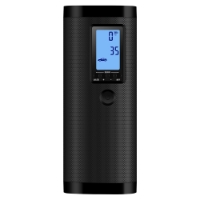
 Portable Tire Inflators
 Electric Air Pumps
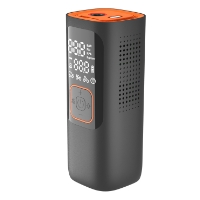 Electric Car Tyre Pumps
 Electric Ball Pumps
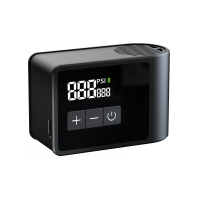 Electric Bike Pump
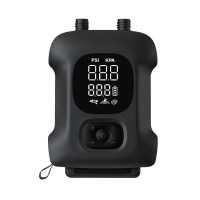 SUP Air Pump
How Electric Air Pumps Work and What Makes Them Efficient
Electric air pumps have transformed the way people inflate tires, bicycles, air mattresses, paddle boards, sports equipment, and other inflatable products. Instead of relying on manual pumping, users can connect an electric pump, select the appropriate setting, and let the motor do the work.
But what actually happens inside an electric air pump? How does a compact device generate enough airflow or pressure to inflate different products, and what makes some pumps more efficient than others?
Understanding the working principle, internal components, and key efficiency factors can help consumers, distributors, and product developers make better decisions when choosing an electric air pump.
What Is an Electric Air Pump?
An electric air pump is a powered device that uses an electric motor to move air from one location to another. Depending on its design, the pump can produce either high airflow for rapidly filling large inflatable products or higher pressure for applications such as vehicle and bicycle tires.
The basic process is straightforward: electrical energy powers a motor, the motor drives a pumping mechanism, and that mechanism draws in and pushes out air through a nozzle, hose, or valve connection.
Modern electric air pumps are available in many configurations. Some are designed for large-volume inflatables, while others are compact high-pressure tire inflators. Newo, for example, manufactures electric air pumps for applications ranging from inflatable products and SUP equipment to bicycles, vehicles, and sports balls.
How Does an Electric Air Pump Work?
Although internal designs vary, most electric air pumps follow the same fundamental sequence.
1. Electrical Energy Powers the Motor
The process begins when the pump receives electrical power. Depending on the model, the power source may be a rechargeable lithium battery, USB-C connection, vehicle power outlet, or another external power supply.
The electrical energy is converted into mechanical energy by an electric motor. The motor is one of the most important components because its power, efficiency, operating speed, and thermal characteristics directly influence the pump’s performance.
2. The Motor Drives the Pumping Mechanism
Once the motor starts rotating, it drives an internal mechanism that moves air.
Different pump designs use different mechanisms. A compact high-pressure tire inflator may use a piston-based compression system, while a high-volume pump for an air mattress or inflatable boat may use a different airflow-oriented structure.
In a piston-style system, for example, the motor moves a piston back and forth. During one part of the cycle, air is drawn into the chamber. During the return stroke, the air is compressed and pushed toward the outlet.
This continuous cycle creates a controlled flow of pressurized air.
3. Air Enters Through the Intake
Air from the surrounding environment enters the pump through an intake opening.
The pump’s internal geometry, seals, valves, and airflow passages influence how easily air can move through the system. If the intake path is unnecessarily restrictive, the motor has to work harder to achieve the required output.
Good airflow design therefore plays an important role in overall efficiency.
4. Air Is Compressed or Moved Toward the Outlet
After entering the pump, air is moved through the internal chamber and toward the outlet.
For high-pressure applications, the pump must increase the air pressure enough to overcome the pressure already present inside the tire or other sealed product. As the target pressure increases, the pump generally has to work against greater resistance.
For high-volume applications, the priority may instead be moving a large amount of air quickly rather than generating extremely high pressure.
This distinction is important when evaluating electric air pump performance: airflow and pressure are related, but they are not the same performance characteristic.
5. Air Leaves Through the Nozzle or Hose
The compressed or moved air exits through the pump’s outlet and enters the target product.
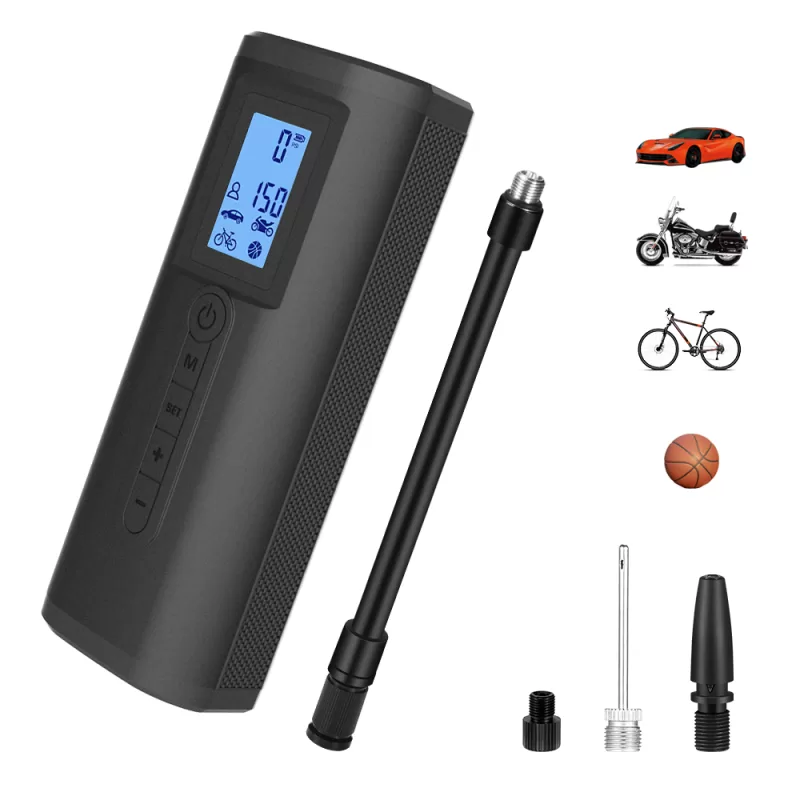
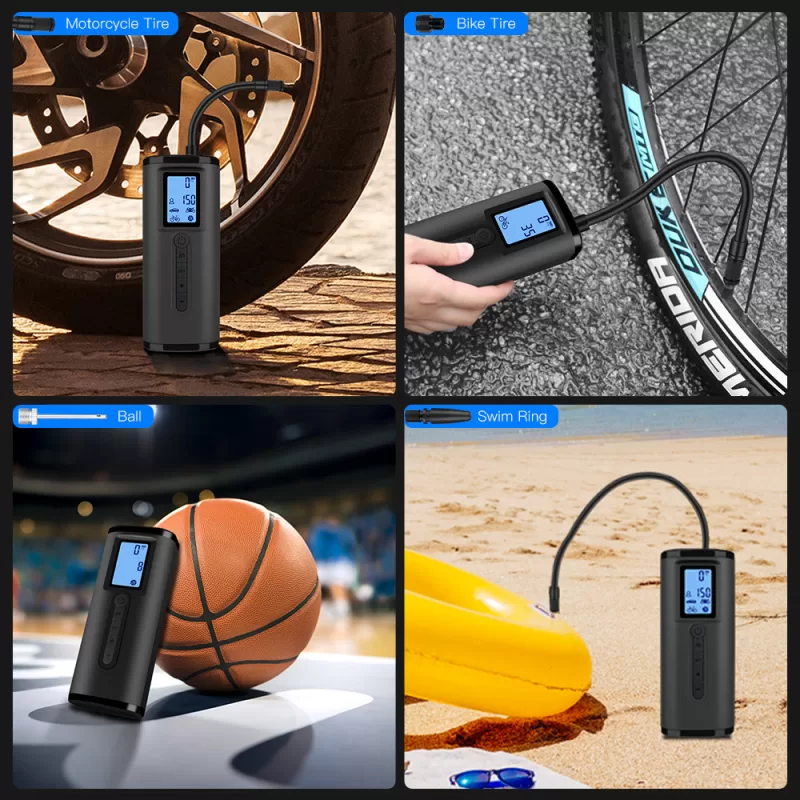
Interchangeable nozzles and adapters allow one pump to work with different valve types and inflatable products. This makes electric pumps particularly versatile for household, automotive, cycling, and outdoor applications.
What Makes an Electric Air Pump Efficient?
Efficiency is not determined by a single component. It is the result of how effectively the motor, pump mechanism, airflow system, power source, control electronics, and thermal management work together.
Efficient Motor Design
The motor converts electrical energy into mechanical energy. A more efficient motor can deliver the required mechanical output while minimizing unnecessary electrical consumption and heat generation.
Motor efficiency becomes especially important in cordless pumps because battery capacity directly limits operating time.
Optimized Pump Structure
The internal pumping structure has a major effect on performance.
A well-designed compression mechanism can reduce wasted motion, improve air delivery, and achieve the required pressure with less energy. Cylinder arrangement, piston dimensions, stroke length, and operating speed can all influence the final result.
For example, some portable tire inflators use multiple-cylinder structures to achieve higher output while maintaining a relatively compact form factor.
Reduced Air Leakage
Air leakage is one of the simplest ways to lose efficiency.
If air escapes around a valve, hose connection, nozzle, piston seal, or internal joint, some of the energy used to compress the air is effectively wasted. High-quality seals and carefully designed connections help maintain consistent airflow and pressure.
This is particularly important in high-pressure applications where even small leakage can affect inflation speed and energy consumption.
Efficient Airflow Paths
The path that air travels through the pump should be designed to minimize unnecessary resistance.
Smooth, appropriately sized passages can help air move efficiently through the system. Poorly designed passages may create excessive turbulence or pressure losses, requiring the motor to work harder.
For manufacturers, airflow optimization is therefore an important part of mechanical and pneumatic design.
Intelligent Pressure Control
Modern electric air pumps increasingly incorporate digital controls and automatic shut-off functions.
Instead of running continuously, a smart pump can monitor pressure and stop when the preset target is reached. This helps prevent over-inflation while also avoiding unnecessary motor operation.
Newo’s portable tire inflator products, for example, include digital displays, preset modes, and automatic shut-off features on selected models.
Effective Thermal Management
Electric motors and compression systems generate heat during operation. If heat builds up excessively, efficiency can decline and components may experience greater stress.
Effective heat dissipation, appropriate operating cycles, and suitable materials can help maintain stable performance.
Thermal management is particularly important for compact pumps because their small housings provide less physical space for heat dissipation.
How to Choose an Efficient Electric Air Pump
When evaluating an electric air pump, consider the following factors:
- Maximum pressure: Make sure the pump can meet the pressure requirements of the intended application.
- Airflow: For large inflatables, higher airflow can be more important than maximum PSI.
- Motor power: Consider whether the motor can deliver consistent performance without excessive heat.
- Battery capacity: Important for cordless and portable models.
- Pressure accuracy: A reliable pressure measurement system helps prevent under-inflation or over-inflation.
- Automatic shut-off: Useful for maintaining a preset pressure without constant monitoring.
- Charging options: USB-C and other flexible charging solutions can improve portability.
- Noise and vibration: Important for household, vehicle, and recreational use.
- Thermal protection: Helps maintain reliability during demanding operation.
- Nozzle compatibility: Multiple adapters increase the range of applications.
Why Manufacturing Quality Matters
The efficiency of an electric air pump depends not only on its design concept but also on how accurately that design is manufactured.
Motor consistency, component tolerances, sealing quality, circuit-board reliability, battery integration, assembly precision, and quality-control procedures can all influence the final product.
For brands and distributors sourcing electric air pumps, working with an experienced manufacturer can therefore be just as important as selecting the right specifications.
Newo combines pneumatic system development, SMT processing, pump R&D, assembly, and quality-control capabilities within the manufacturing operation. We have a 20,000+ square meter manufacturing facility, more than 450 employees, and a dedicated R&D and quality team.
Conclusion
Electric air pumps work by converting electrical energy into mechanical motion that moves or compresses air. Although the basic principle is relatively simple, achieving high efficiency requires careful engineering across the entire system—from the motor and pumping mechanism to airflow channels, seals, electronics, battery, and thermal management.
The most efficient pump is not necessarily the one with the highest PSI or the largest motor. Instead, it is the pump that delivers the right combination of pressure, airflow, energy consumption, reliability, portability, and control for its intended application.
For businesses looking for electric air pump solutions, understanding these factors can make it easier to evaluate products, develop private-label offerings, and select an experienced OEM/ODM manufacturing partner.
With expertise in electric air pumps, portable tire inflators, electric bike pumps, SUP pumps, and other pneumatic products, Newo provides a broad range of solutions for global B2B customers and brands.
-

As Shenzhen Welcomes the World for APEC 2026, NEWO Welcomes You to Our Factory
As Shenzhen prepares for APEC 2026, NEWO welcomes international buyers and partners to visit our factory, meet our team and explore future cooperation.... -
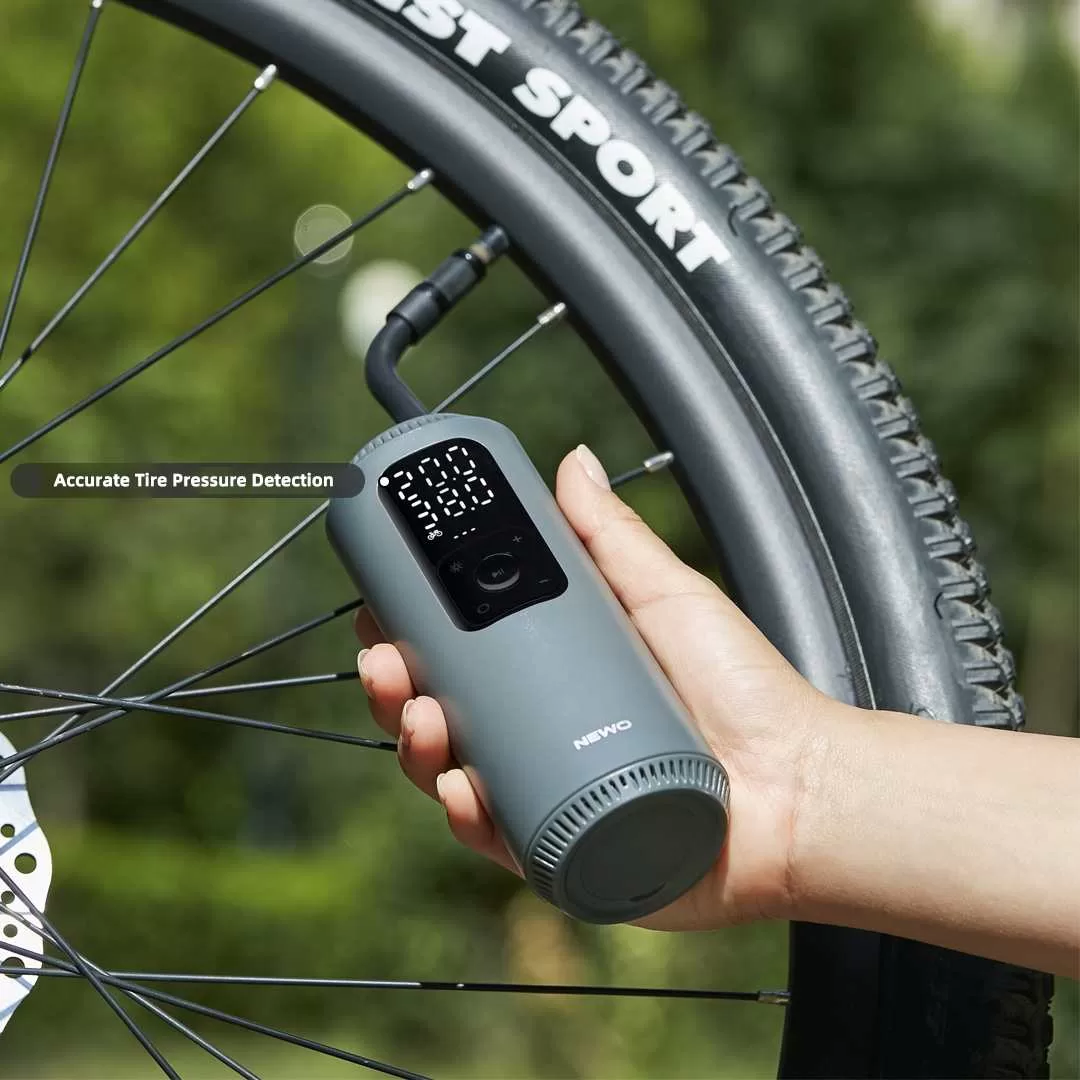
Leading the Way in Product Innovation and Excellence
Smartnewo exemplifies professionalism in product innovation and manufacturing. Their collaboration with Xiaomi Youpin on the G01 crowdfunding project highlights their expertise in creating compact, powerful inflatable pumps. Rigorous engineering, meticulous production processes, and advanced quality assurance underscore their commitment to excellence. The success of the G01 project, with significant market... -
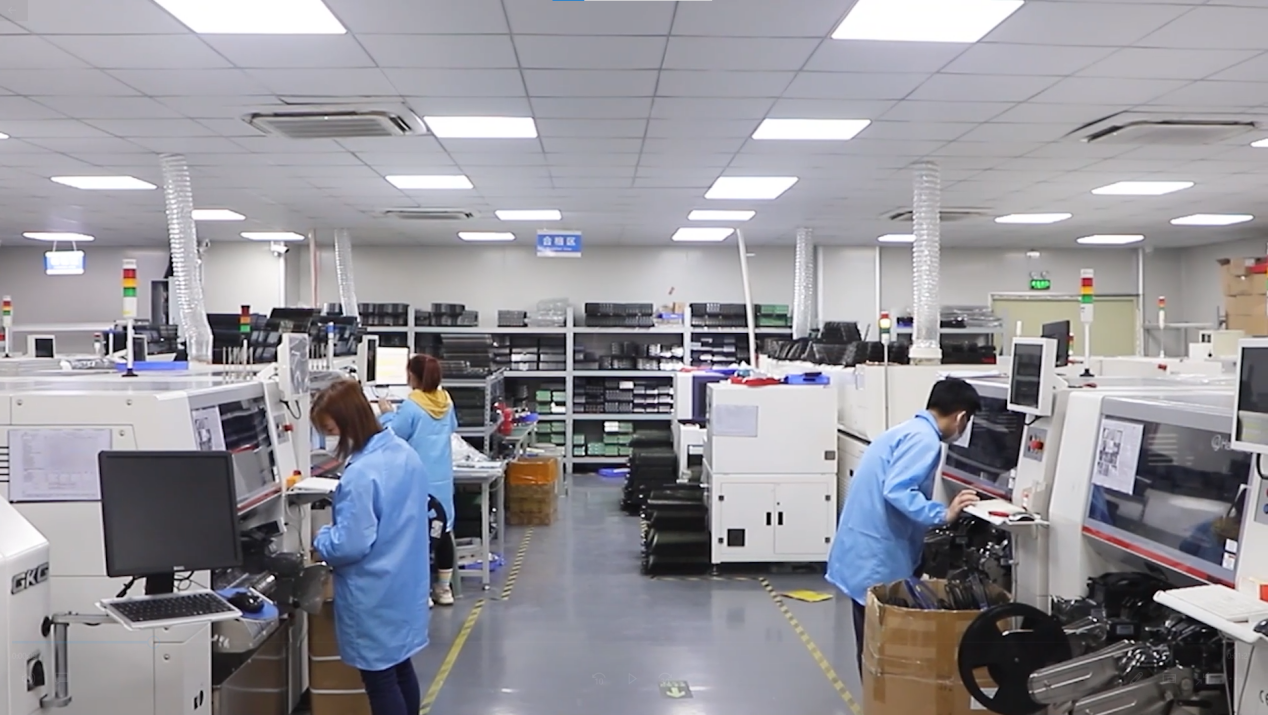
Essential Qualities of an Excellent Supplier
In today's competitive market, finding a reliable supplier is crucial for business success. Based on insights from Smartnewo and broader internet research, here are key qualities an excellent supplier must possess:... -
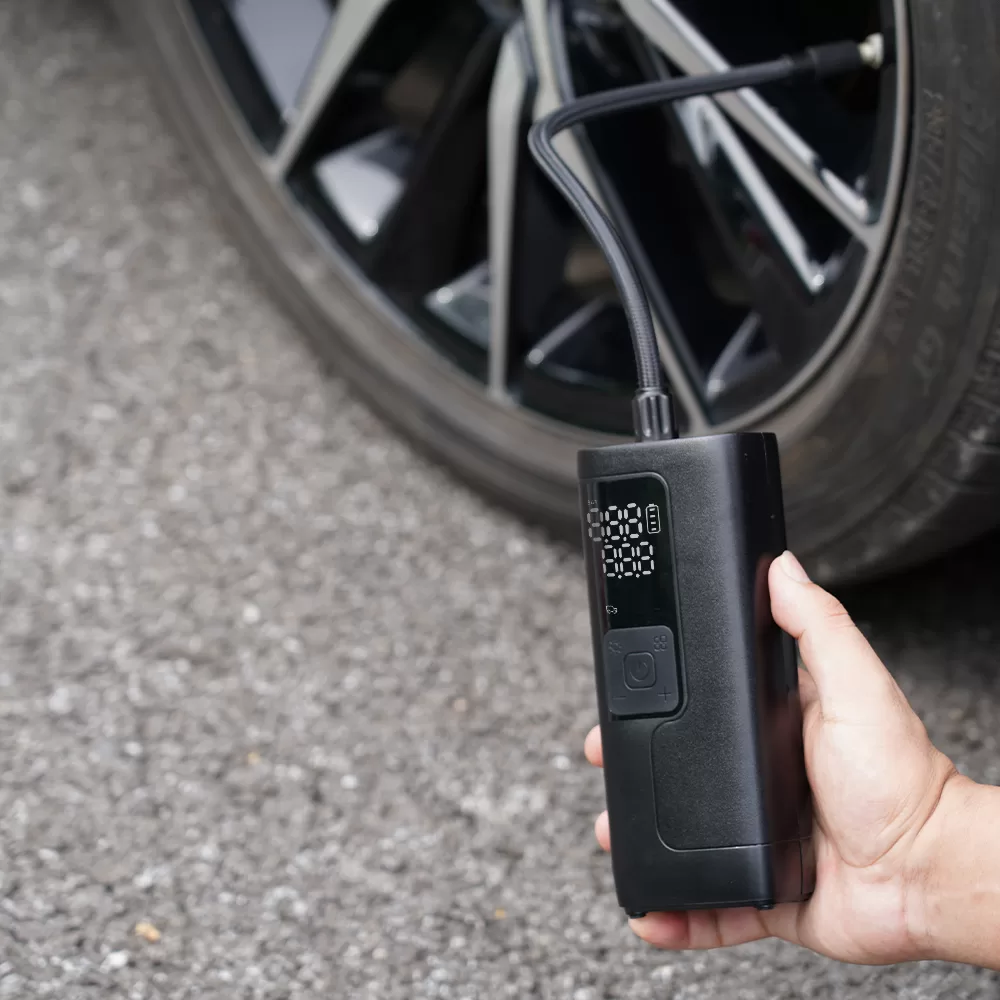
NW06 Tire Inflator: Compact Power for Quick Inflation
Summary The NW06 Tire Inflator delivers quick and efficient tire inflation with a powerful 35L/min airflow. It features a user-friendly LCD screen for real-time pressure monitoring, dual power options with a built-in 6000mAh battery, and multiple nozzle attachments for versatile use. Its compact design and integrated LED light ensure convenience and... -
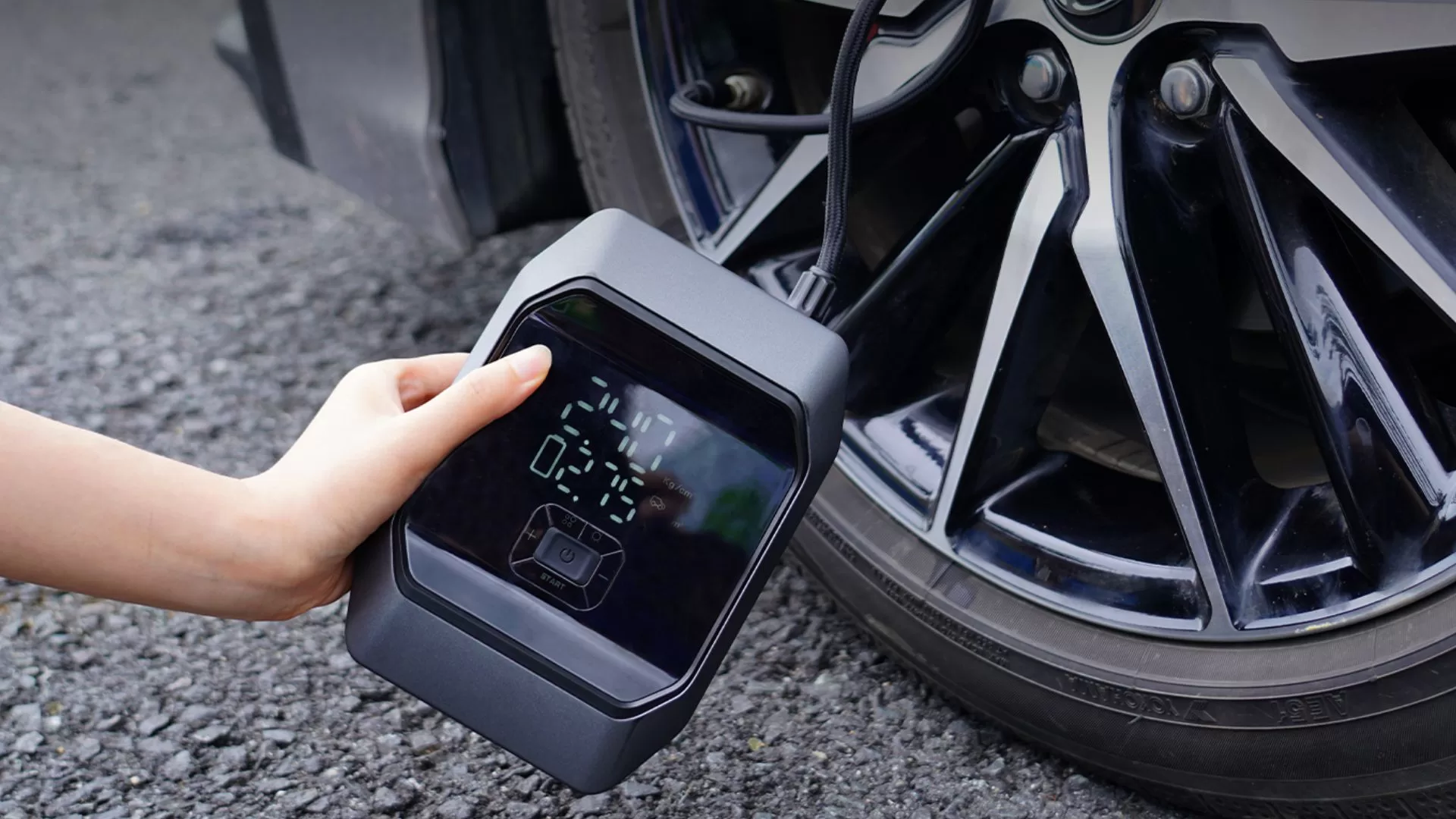
Unleash the Power of Portability: The SmartNewo Jump Starter with Air Compressor KF03
This guide will walk you through the steps to effectively use a portable tire inflator, helping you stay prepared and safe on the road.... -

Newo Attends The 2024 Consumer Electronics Show (CES)
Smartnewo booth is located at 53672, Halls A-D, Level 2, Venetian Expo, Las Vegas Convention Center (LVCC). ... -
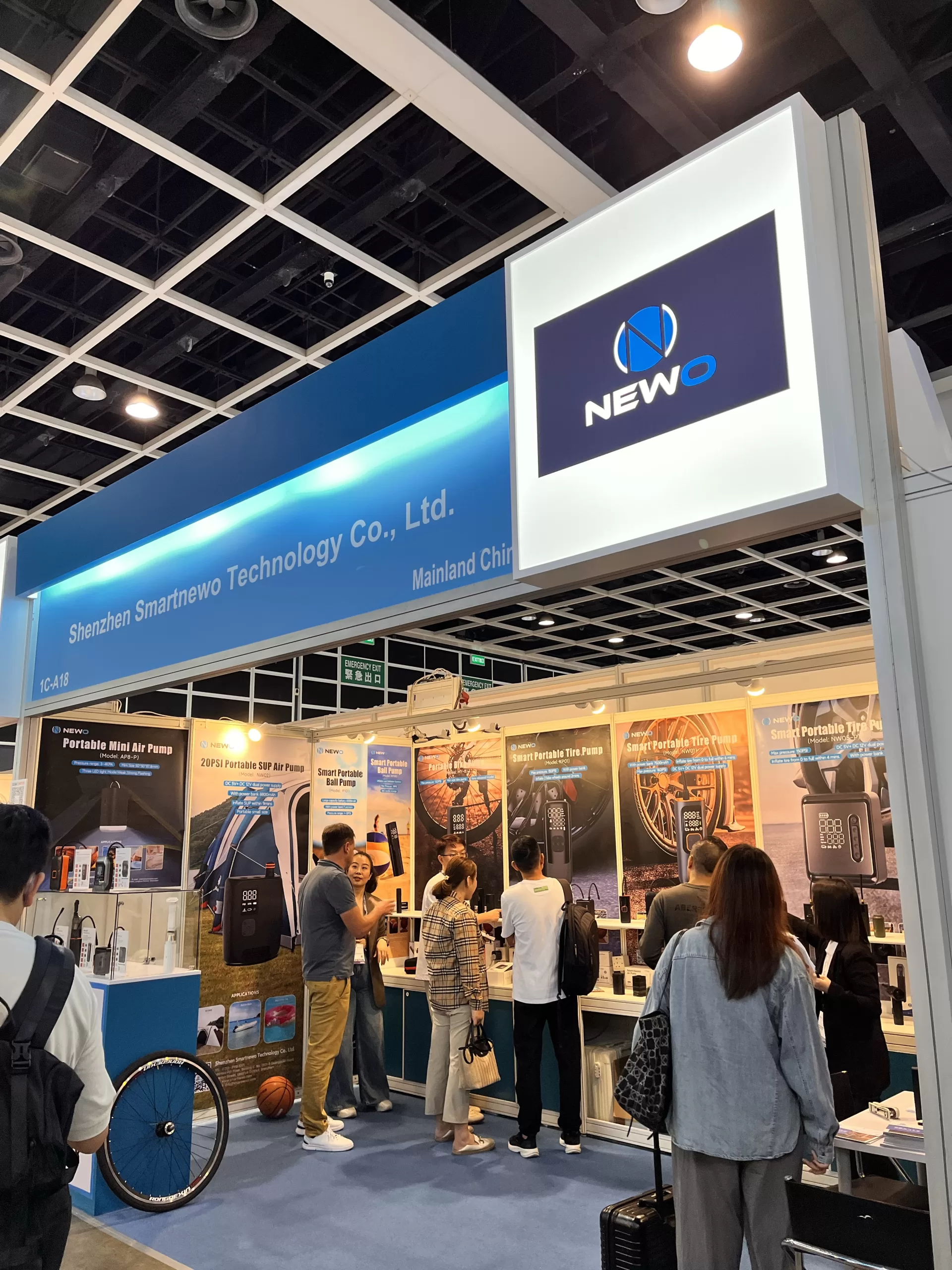
Smartnewo’s Dual-Cylinder Air Pump Rocks the Hong Kong Autumn Electronics Fair!
Smartnewo’s Dual-Cylinder Air Pump Rocks the Hong Kong Autumn Electronics Fair!... -

Meet at the Canton Fair! Smartnewo brings dual-cylinder air pumps, making your inflation experience faster and more stable!
NEWO has went deep communication and negotiation with customers from all over the world on booth.... -
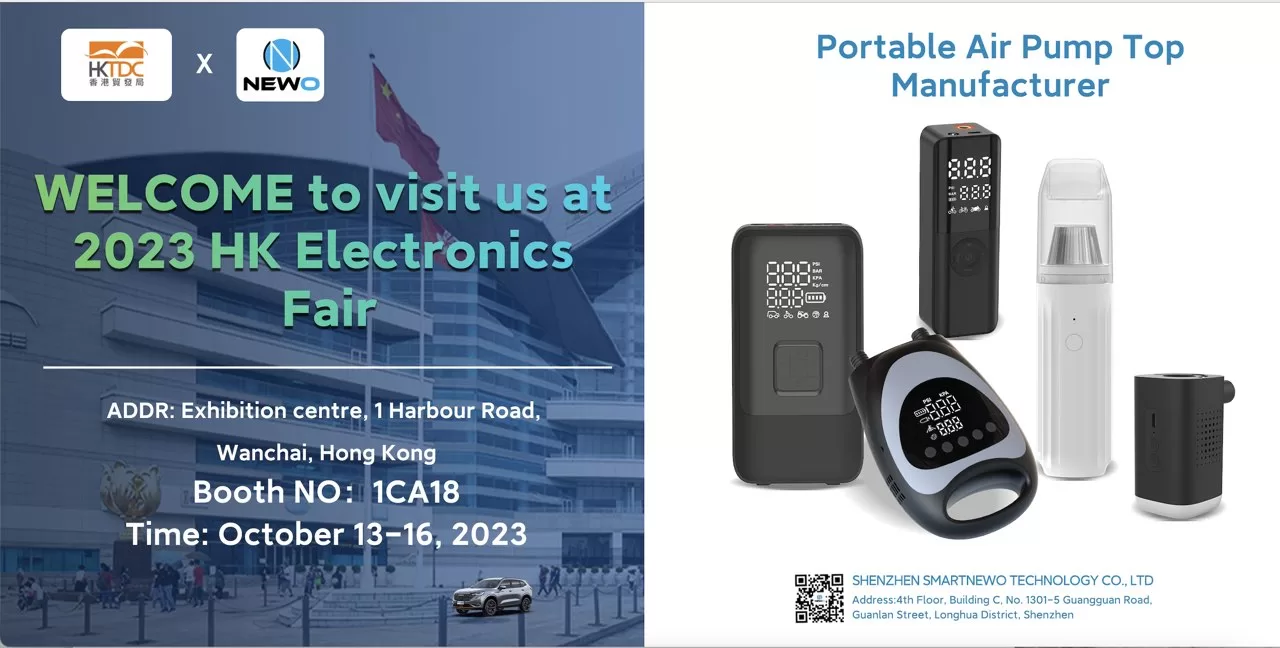
“Hong Kong Autumn Electronics Fair – 1CA18 (October 13th to 16th): Smartnewo invites you to visit our booth!
Hong Kong Autumn Electronics Fair... -
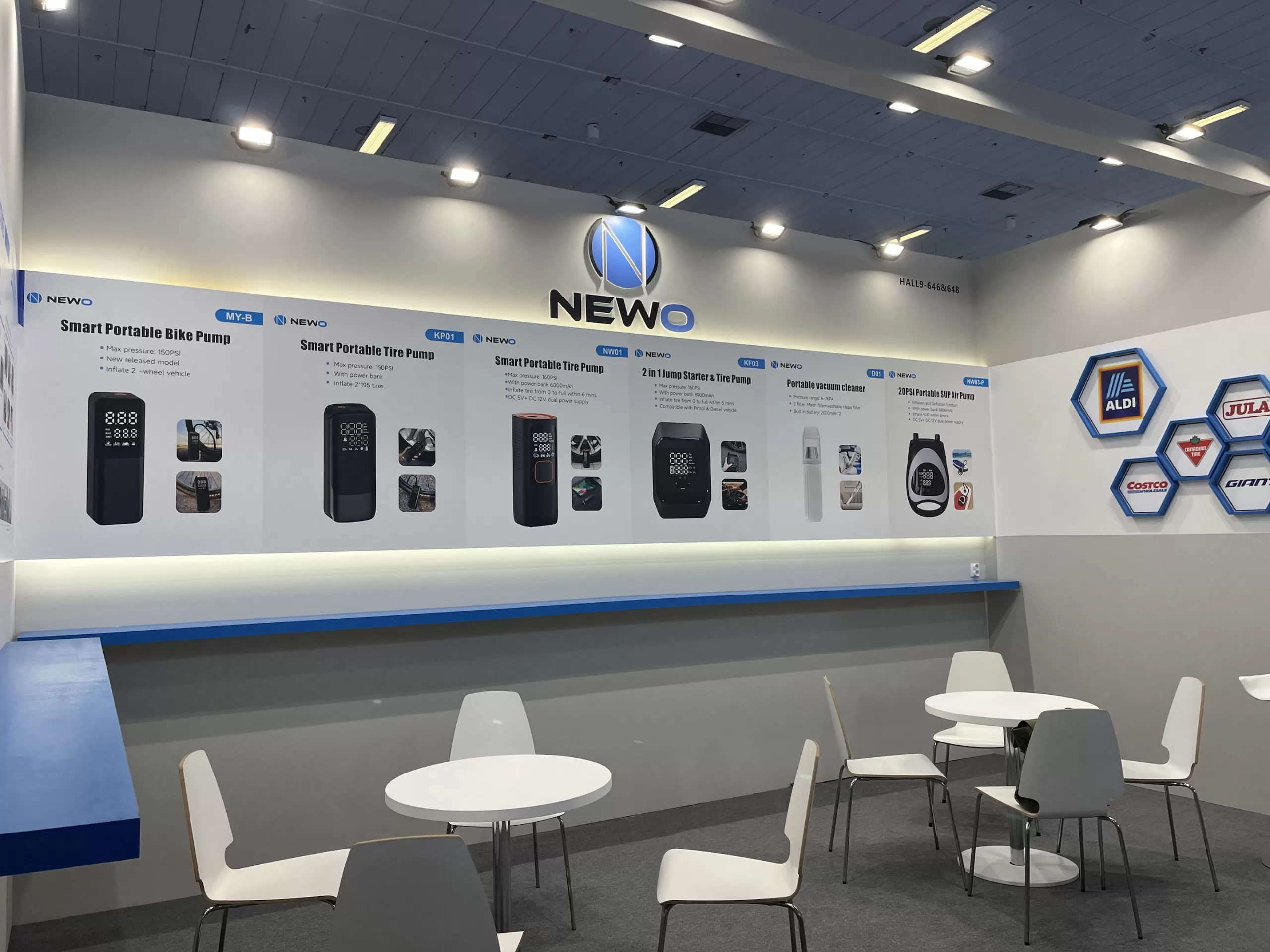
Smartnewo showcases its innovative range of electric air pumps at IFA 2023
Smartnewo will participate in the Consumer Electronics Show (IFA) in Berlin, Germany from September 3rd to September 5th....
-

Rechargeable Electric SUP Pump for Paddle Boards: Faster Inflation for SUPs, Kayaks and Inflatable Tents
The BL10-C Portable Electric Bike Tire Inflator is a compact and lightweight mini electric bike pump designed for modern cyclists. With up to 120 PSI pressure, a digital LED display, preset pressure control, automatic shut-off, USB-C charging, and multiple valve adapters, BL10-C offers a convenient inflation solution for road bikes,... -
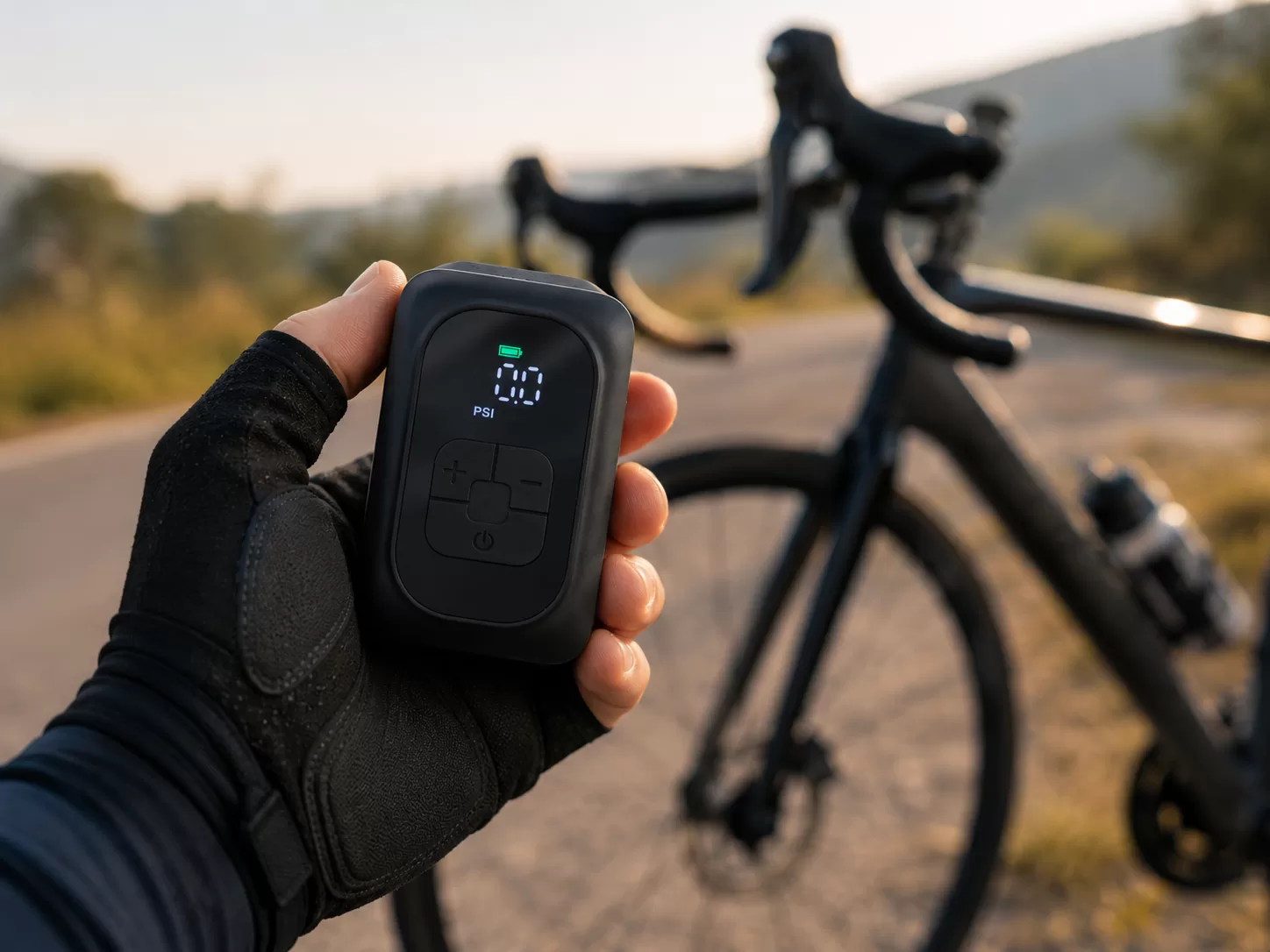
Are Electric Bike Pumps Worth It in 2026? Electric Pump vs CO₂ vs Mini Hand Pump
Discover whether electric bike pumps are worth it in 2026. This guide compares electric bike pumps, CO₂ inflators, and mini hand pumps for road cycling, gravel riding, commuting, and long-distance rides. Learn the pros, limitations, best use cases, and key features to look for before choosing the right portable tire... -
BL10-C Portable Electric Bike Tire Inflator: Small Size, Reliable Power for Every Ride
The BL10-C Portable Electric Bike Tire Inflator is a compact and lightweight mini electric bike pump designed for modern cyclists. With up to 120 PSI pressure, a digital LED display, preset pressure control, automatic shut-off, USB-C charging, and multiple valve adapters, BL10-C offers a convenient inflation solution for road bikes,... -
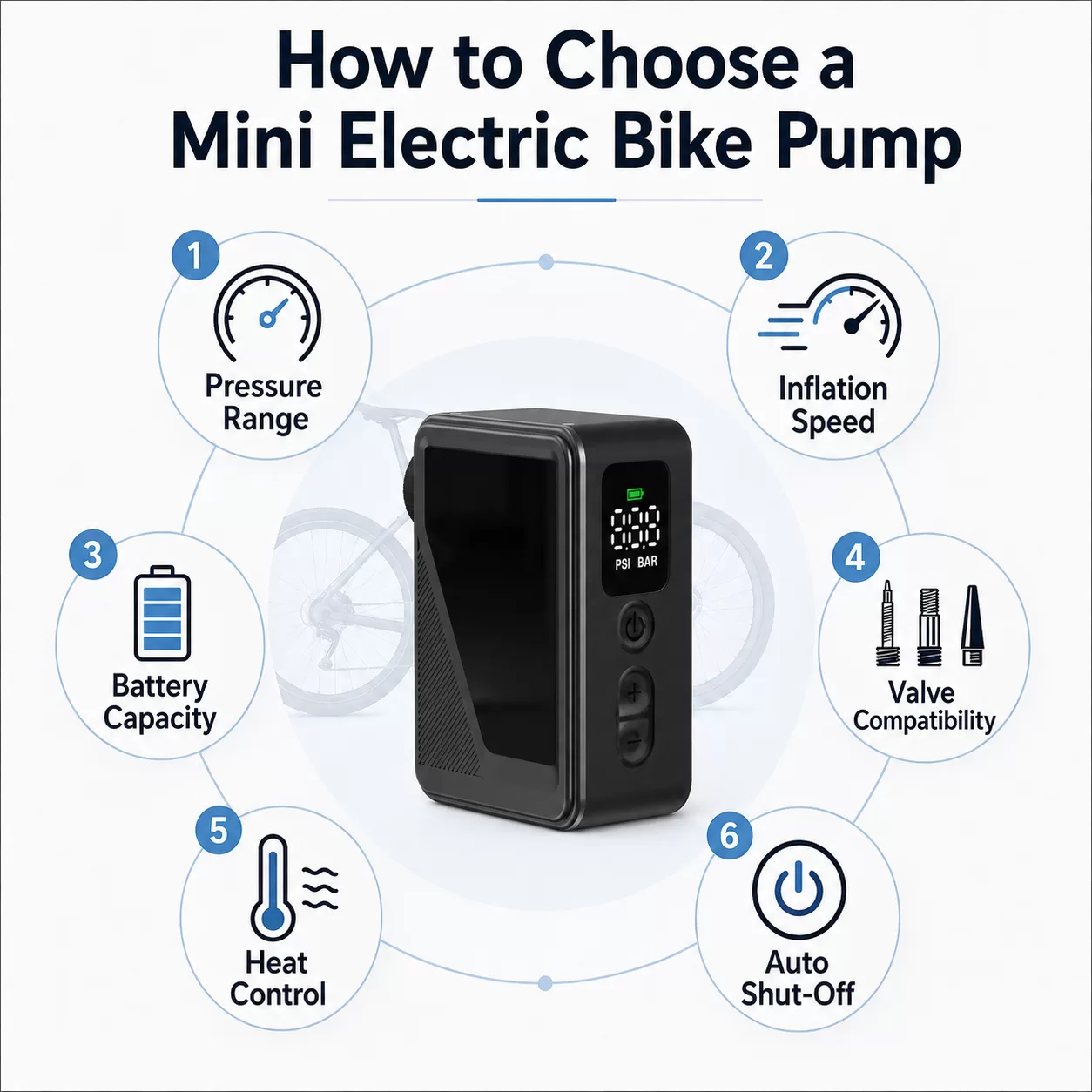
Why Mini Electric Bike Pumps Are Becoming Essential for Modern Cycling
Discover why mini electric bike pumps are becoming essential for modern cyclists. Learn how portable electric bike pumps improve tire pressure management, riding safety, and convenience.... -
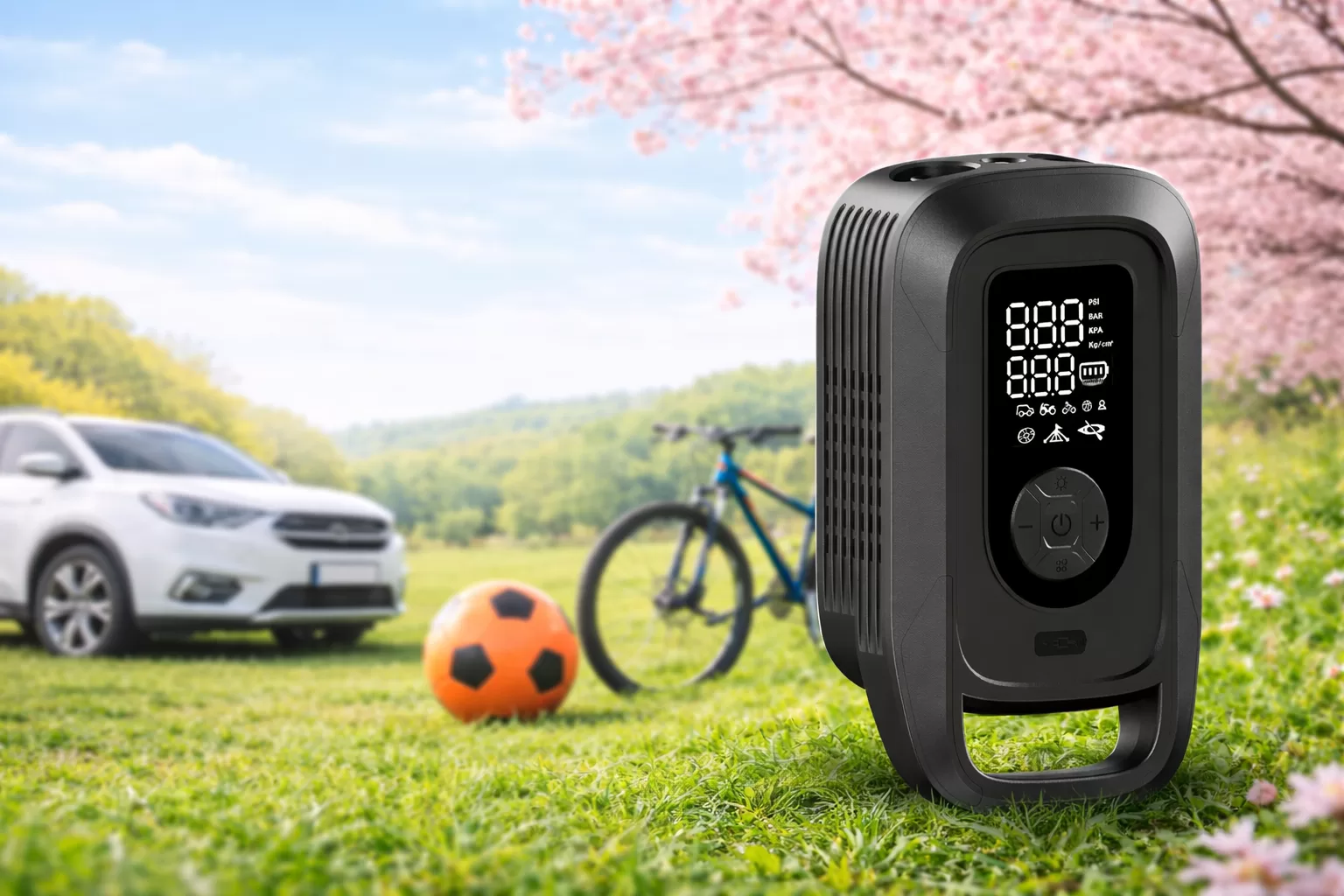
The Ultimate Smart Solution for Easy Outdoor Adventures in 2026
Discover how a spring travel air pump simplifies outdoor trips with fast inflation, smart features, and powerful performance—perfect for every adventure.... -
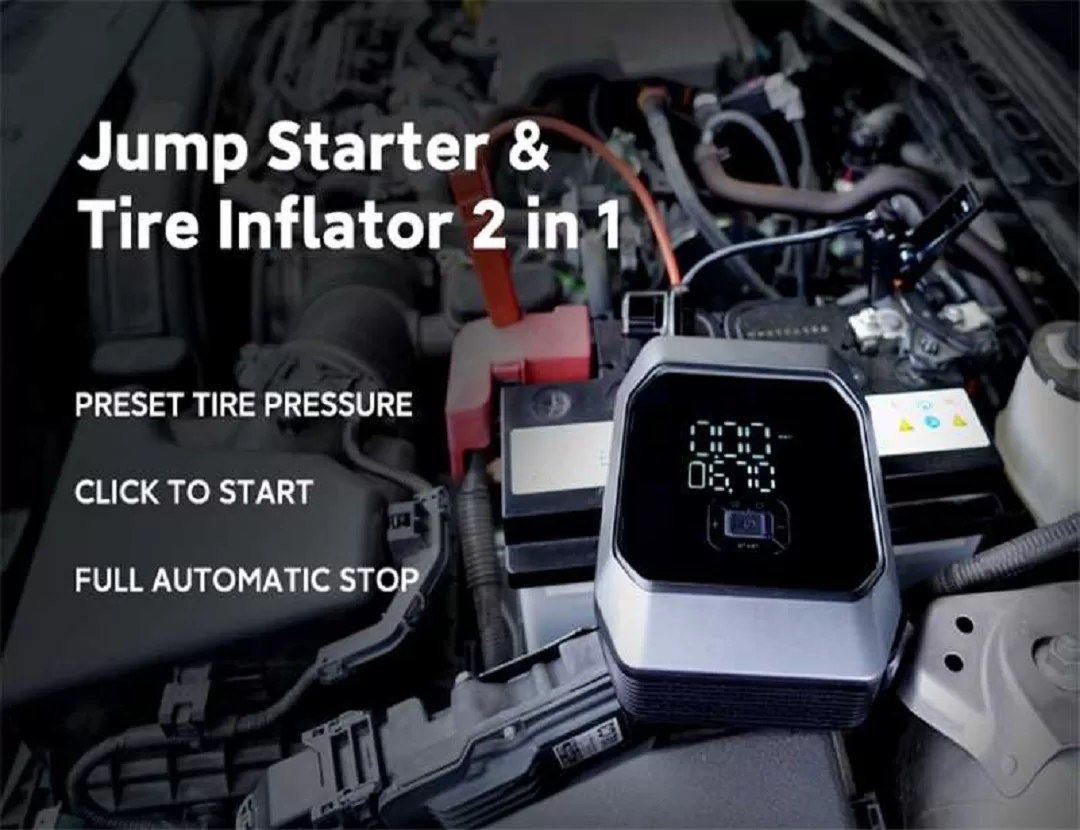
Powerful 5-in-1 Portable Car Tire Inflator and Jump Starter: The Ultimate Emergency Tool for Every Driver
Why Every Driver Needs a Portable Car Tire Inflator and Jump Starter Modern drivers face many unexpected situations on the road. A flat tire, low tire pressure, or a dead car battery can happen at the worst possible time. That’s why having a portable car tire inflator and jump starter is... -

7 Real Cycling Scenarios That Show Why Every Rider Should Carry a Mini Bike Pump
Cycling is one of the most freeing activities you can enjoy. Whether you’re commuting to work, riding through city streets, or exploring quiet countryside roads, a bike ride can instantly improve your day. But there’s one small problem that almost every cyclist eventually faces: Low tire pressure. It might happen... -
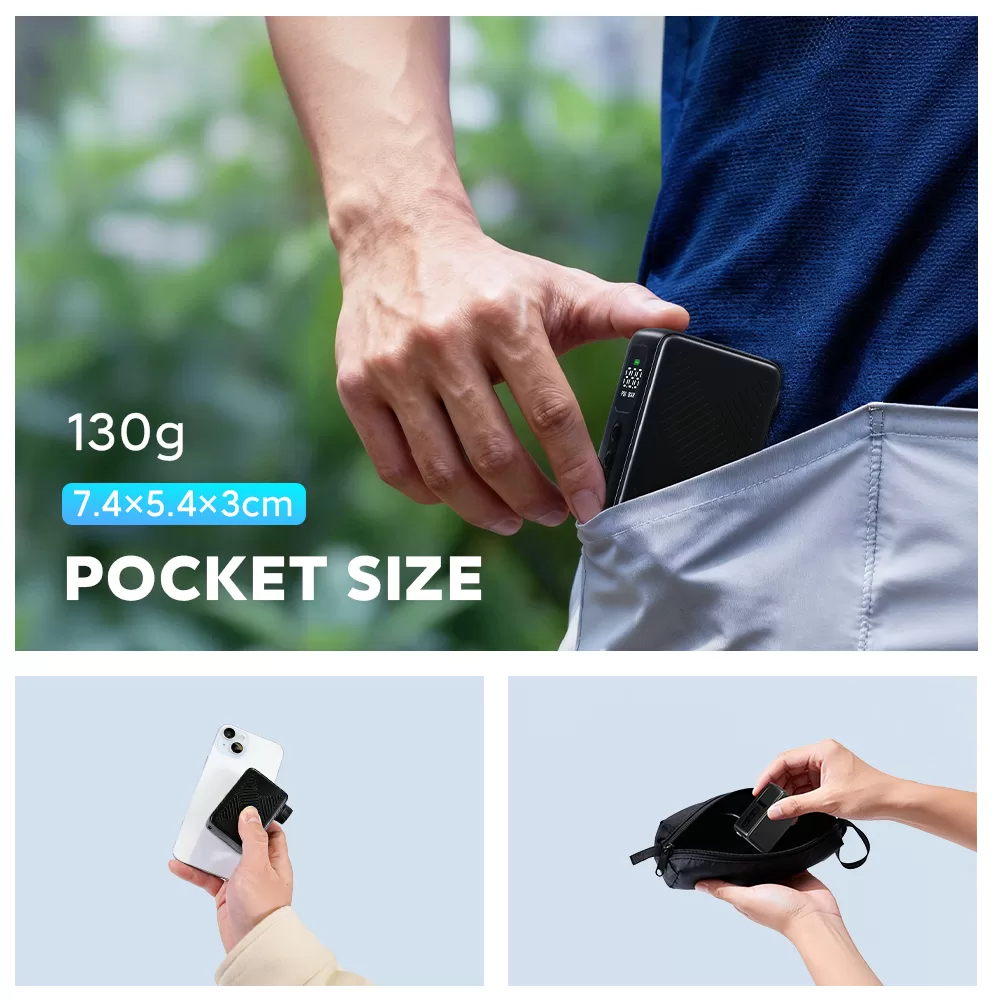
BL08-A Portable Electric Bike Pump: A Global Distribution Opportunity with Smartnewo
Smartnewo, a professional manufacturer of portable electric air pumps, introduces the BL08-A model — a compact and efficient inflator designed for global distributors, e-commerce sellers, and outdoor accessory brands seeking reliable OEM/ODM solutions. Table of Contents Main Heading Subtopics 1. Introduction: Expanding the Global Market for Smart Inflation Tools Portable... -
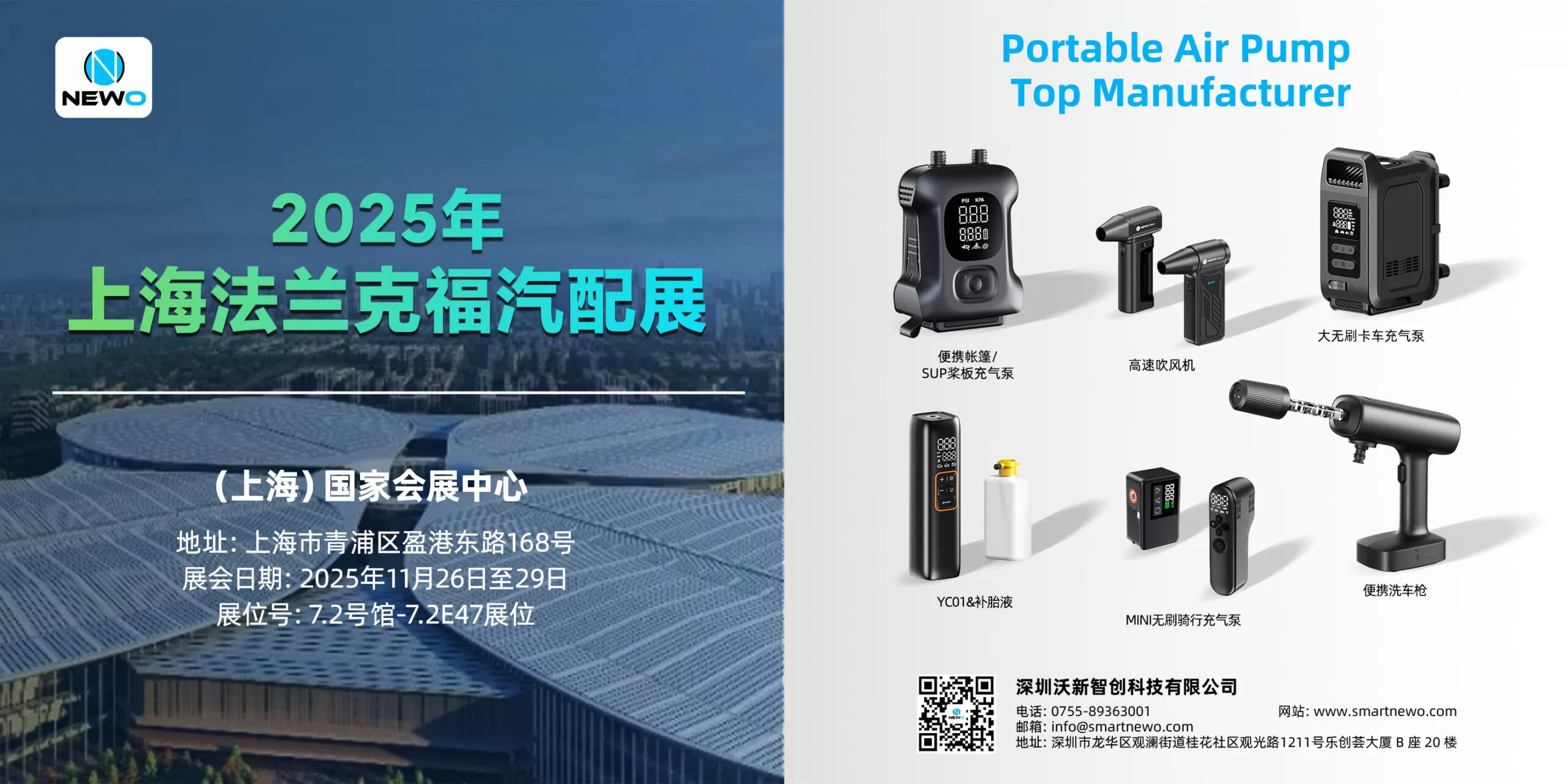
Connecting Opportunities at Automechanika Shanghai 2025 — Smartnewo Exhibition Day 1
Today marks an exciting beginning as Smartnewo officially opens its booth at Automechanika Shanghai 2025. As one of the largest and most influential automotive aftermarket exhibitions in the world, the show provides an exceptional platform for meaningful conversations, partnership building, and global industry exchange. Located at Booth 7.2E47, Smartnewo presents... -

Why Every Outdoor Cyclist Should Carry a Mini Electric Bike Pump
Whether you are an experienced mountain rider or a weekend road-cycling enthusiast, one thing is certain: unexpected tire pressure issues can ruin an entire ride. That’s why more cyclists are turning to mini electric bike pumps—compact, lightweight, and far more reliable than traditional hand pumps. 1. Consistent Pressure, Even in...
-
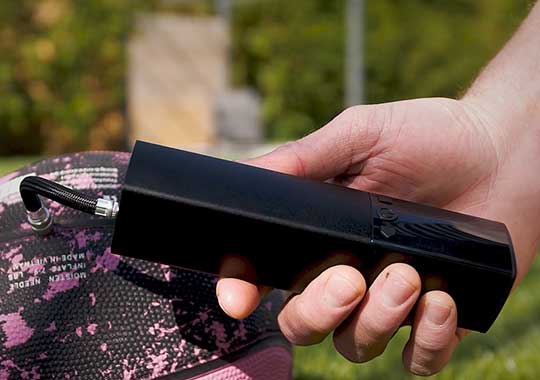
How Is a Football Properly Inflated?
The correct inflation of a football - with not too much and not too little air - is a hotly debated topic among footballers.... -

Application Scenarios of Car Inflator Pump
Often long-distance business trips or play car owners because the road may be more remote areas, in this case if you encounter a tire leak....