

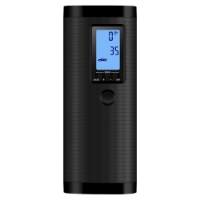
 Portable Tire Inflators
 Electric Air Pumps
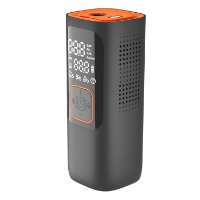 Electric Car Tyre Pumps
 Electric Ball Pumps
 Electric Bike Pump
 SUP Air Pump

How to Choose a Reliable Tire Inflator Manufacturer: An Engineering and Sourcing Guide
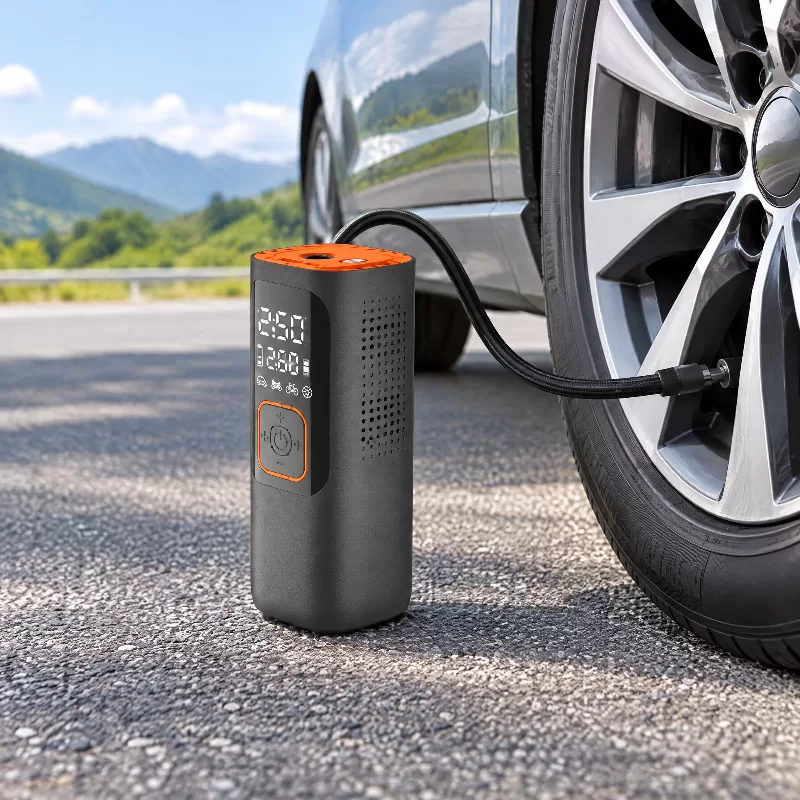
Selecting an established tire inflator manufacturer requires looking far beyond external casing aesthetics and catalog mockups. Procurement teams often encounter inflated laboratory figures that collapse when subjected to real pneumatic resistance. Sourcing professionals must navigate motor heat dissipation curves, sensor tolerances, and international logistics documentation before signing volume manufacturing agreements. A successful supplier partnership balances raw mechanical output with consistent mass production quality control.
Automotive aftermarket distributors, consumer electronics brands, and hardware retailers depend on stable factory execution to protect brand equity. When an end consumer experiences a dead unit during a nighttime highway emergency, the reputational fallout hits the retail label directly. Evaluating factory capabilities demands an understanding of practical displacement mechanics, electronics integration, and safety compliance.
Understanding the Role of an OEM/ODM Tire Inflator Manufacturer
Contract manufacturing in the micro-pneumatic sector bridges industrial precision with compact consumer product design. A professional portable tire inflator factory handles motor winding, gear reduction, piston tolerance machining, and printed circuit board assembly. These interconnected processes directly influence whether a hand-held pump survives hundreds of duty cycles or fails during its first tire inflation.
Bridging Pneumatic Engineering and Market Consumer Demands
Consumer expectations for portable air pumps have shifted dramatically from clunky analog hardware toward palm-sized intelligent tools. Modern vehicle owners expect intuitive digital interfaces, automatic pressure cut-offs, and quiet operation without carrying tangled air lines. Those demands often pull against each other inside a small housing. A competent wholesale tire inflator manufacturer must reconcile these delicate ergonomics with harsh mechanical reality.
Micro compressors generate concentrated heat and mechanical vibration inside small hand-held plastic enclosures. Direct manufacturers can address this through internal damping, heat sink integration, and low-friction piston sleeve materials, and they can test each change in-house. Trading intermediaries rarely possess the engineering depth needed to troubleshoot motor stall currents or resolve high-pressure air leaks. When a defect appears after launch, that gap shows up as slower root-cause analysis.
Distinguishing Between Trading Middlemen and Direct Factory Capacities
Procurement managers frequently encounter export trading companies presented as original manufacturers on international sourcing directories. Sourcing directly from a true tire inflator factory gives buyers direct communication with mechanical and firmware engineers, faster revision cycles, and clearer raw material tracing. Direct factory relationships also remove pricing markups across long distribution pipelines. Identifying a true manufacturing partner involves auditing specific operational assets and testing infrastructure across the shop floor:
- Dedicated plastic injection tooling racks alongside automated high-precision injection molding machines.
- Comprehensive motor assembly, armature dynamic balancing, and gear train testing stations.
- In-house environmental test chambers verifying device performance across extreme operating temperatures.
- Transparent Bill of Materials accounting for critical safety items such as pressure relief valves and battery cells.
Key Technical Specifications When Evaluating Tire Inflator Performance
Specification sheets in the micro-compressor sector can easily confuse commercial buyers when terms lack operational context. Marketing claims often highlight extreme theoretical limits that have little relevance to routine automotive inflation scenarios. A number printed on a box answers one narrow question, and the buyer’s job is to find out which question it answers. Buyers should examine these performance metrics using established pneumatic principles before approving purchase contracts.
Maximum Pressure vs. Working Pressure: The Reality Behind 150 PSI Ratings
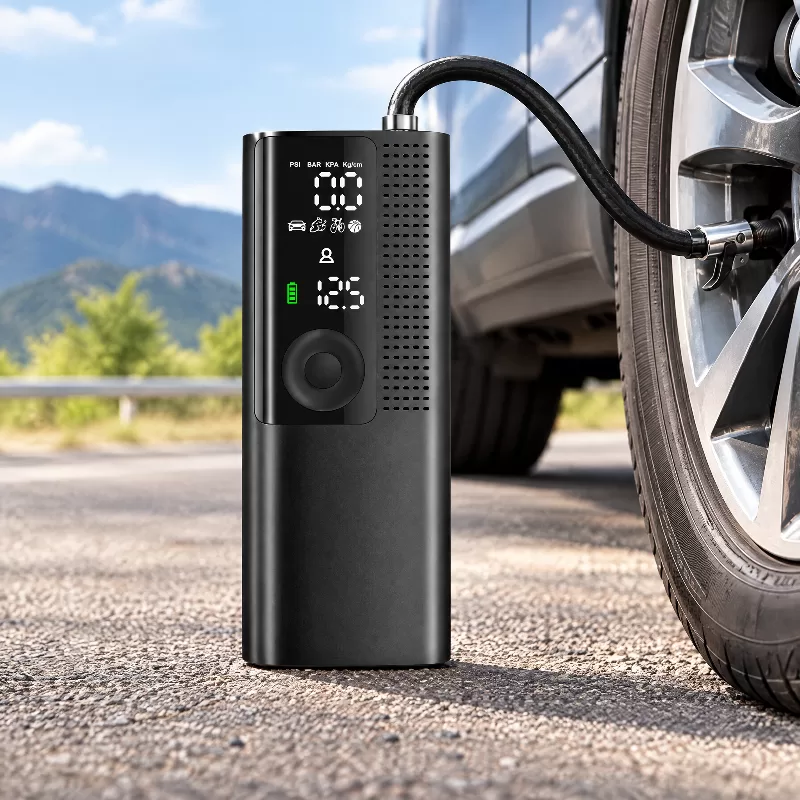
Many portable air pumps promote a 150 PSI maximum pressure rating on their primary packaging. This figure represents the manufacturer-stated maximum operating pressure. In standard consumer environments, passenger vehicle tires require cold inflation pressures between 30 and 36 PSI according to individual vehicle door placards. The two numbers describe different things. The ceiling describes what the pump is rated to reach, and the placard describes what the tire needs.
The National Highway Traffic Safety Administration reminds drivers that proper tire inflation must always be checked when tires are cold, meaning the vehicle has remained stationary for at least three hours. A 150 PSI rating accommodates high-pressure applications. Some narrow road bicycle tires use higher pressures, though the correct pressure depends on the tire, rim, load, and manufacturer guidance.
Airflow Dynamics: Understanding Free-Flow Output vs. Back-Pressure Inflation
Air delivery rates are commonly expressed in liters per minute or cubic feet per minute to communicate pumping speed. Catalog specifications often report free-flow displacement measured at atmospheric pressure with no counteracting resistance. In real-world operation, inflation speed slows as back-pressure inside a tire cavity increases against the reciprocating piston. This is why two pumps with similar catalog airflow can take noticeably different times to fill the same tire.
According to the supplied manufacturer specification, the WG01 delivers 20–22 L/min airflow. The test conditions for this figure are unspecified, so it should not be read as the flow rate at typical tire pressures. Sourcing teams should request inflation speed charts tested against standard tire sizes to understand performance under working back-pressure rather than relying solely on free-air ratings. Timed tests on the tire sizes a brand actually targets give the most useful comparison.
Cylinder Architecture and Power Rating: Understanding the 17-Cylinder Specification
Product datasheets sometimes highlight specialized design terms such as a 17-cylinder air-pump structure operating at 35W power. The supplied WG01 specification identifies this as a manufacturer-reported feature but does not describe the internal construction further. Sourcing specialists who need construction details should request cross-sectional engineering schematics to verify internal stroke volume and mechanical arrangements. That request is routine during engineering sample review and costs little compared with a tooling commitment.
The manufacturer-stated power rating is 35W. A power figure alone does not tell a buyer how long the unit runs per charge or cycle, how fast it fills a given tire, or how hot it gets. Runtime, inflation time, power configuration, and thermal performance require product documentation or testing. Clarifying these physical boundaries ensures that brand managers do not market personal emergency top-up inflators as heavy-duty garage shop compressors.
Critical Engineering Elements in Portable Inflator Architecture
The gap between a successful product line and a high warranty return rate often lies in internal engineering details that customers never see. Compact portable inflators operate in an environment of concentrated heat, cyclic mechanical shock, and moisture condensation from compressed ambient air. Reputable factories prioritize structural resilience over cosmetic shortcuts, because a scratched housing rarely triggers a return while a failed seal usually does.
Duty Cycle, Thermal Management, and Continuous Run Limitations
Duty cycle describes the proportion of time a compressor can run safely within a given operating period before it needs to rest. While commercial stationary compressors often achieve continuous duty ratings, miniature 12V or battery-powered inflators usually operate under limited duty cycles. The WG01 specification does not report a duty cycle limit; buyers should consult the product manual or request verified test data to understand safe operating intervals. A reliable custom tire inflator manufacturer incorporates thermal cut-off switches and housing ventilation grilles to channel motor cooling air and reduce the risk of overheating damage.
Pressure Sensing Accuracy and Automatic Shut-Off Mechanisms
Automatic shut-off stops inflation once the selected target is reached, which reduces the need to watch the pressure reading continuously. The WG01 is specified to work this way. Safe inflation still depends on two things the feature cannot supply: selecting the recommended pressure for the tire or equipment, and obtaining an accurate reading. Users should stay with the device while it runs rather than leave it unattended.
For sourcing teams, accuracy is the part worth auditing. Quality manufacturing lines perform multi-point gauge calibration to keep pressure readings within the specified tolerance, which helps displayed values stay close to actual tire pressure. Buyers seeking detailed sensor and control architecture, or the stated accuracy tolerance, should consult verified product documentation and compare sample readings against a calibrated reference gauge.
Compact Ergonomics: Integrated Hose Storage and Human-Centric UI
Product usability during stressful roadside situations directly shapes consumer product reviews and brand satisfaction. Loose air hoses stored in travel bags can easily become lost or pick up abrasive dirt that damages tire valve cores. Modern mechanical layouts solve this problem by integrating dedicated hose storage channels directly inside the pump chassis. Built-in storage keeps the hose with the pump, so it is there when it is needed.
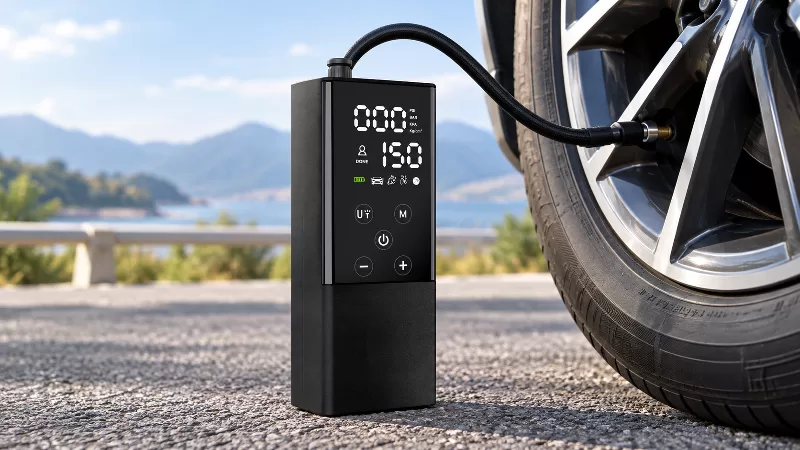
Clear screen visibility is equally essential when operating a device along dark, unlit road shoulders. High-contrast LED screens equipped with dedicated vehicle, bicycle, motorcycle, and ball mode presets simplify pressure configuration for non-technical users. These presets do not replace checking the tire or equipment manufacturer’s recommended pressure, but they help users reach common targets without entering numerical values manually.
Multi-Category Application Matching and Product Matrix Planning
Building a balanced product portfolio requires aligning pneumatic inflator hardware with clear target user groups and use cases. A single portable inflator platform cannot serve heavy-duty off-road tire air-down recovery and ultralight cycling markets equally well. Successful private label brands structure their procurement around practical usage tiers. Mapping each SKU to a specific user and task keeps the lineup coherent and makes product claims easier to support with test data.
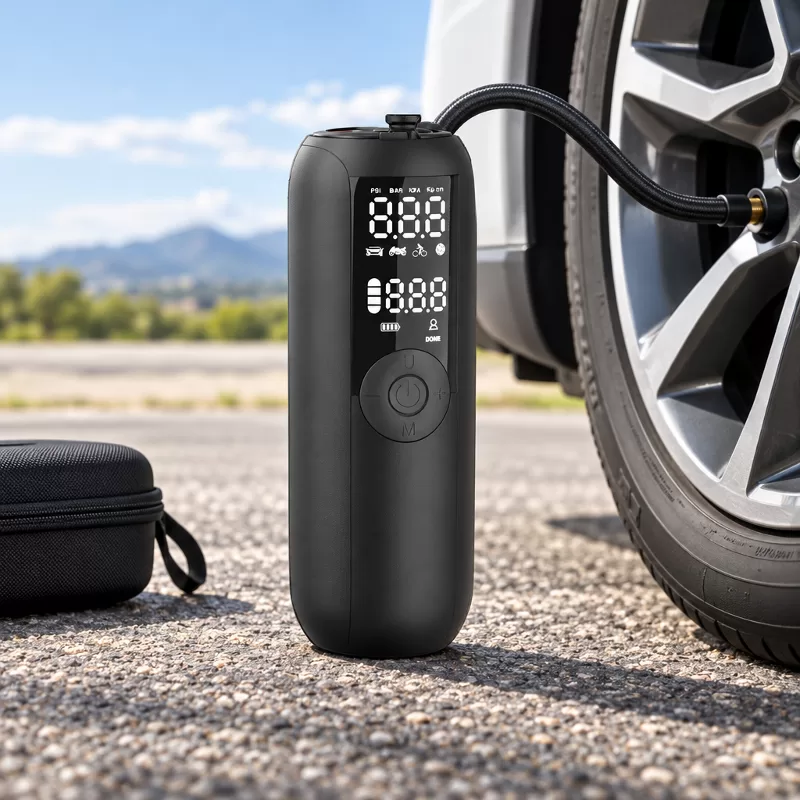
Passenger Vehicles and Emergency Roadside Top-Ups
For everyday passenger car maintenance, the primary operational scenario involves topping up three to five PSI lost through seasonal temperature drops. A compact inflator with manufacturer-stated power of 35W and an airflow rating of 20–22 L/min can support routine adjustments, though runtime, inflation time, and thermal performance require product documentation or testing. It suits drivers who want a compact tool in the trunk without giving up storage space.
A portable inflator is designed for adding air, not for repairing a tire. A damaged or fully deflated tire should be assessed and repaired safely rather than assumed driveable after field inflation, because damage caused while driving on a low tire may not be visible from the outside. OEM tire inflator buyers must clearly communicate these practical boundaries in user manuals and packaging copy to set accurate consumer expectations.
Two-Wheel Mobility: Bicycles, E-Bikes, and Motorcycles
Two-wheeled vehicles present diverse pneumatic requirements across differing tire carcass volumes and operating pressures. Some narrow road bicycle tires use higher pressures, while wide fat-tire e-bike tires generally operate at lower pressures than narrow road tires. In every case, buyers and users must follow the tire, rim, and bicycle manufacturer’s guidance for the load and riding conditions. An adaptable portable inflator therefore needs reliable control at both ends of its range, without motor stall or air loss at the connection.
- Road bicycles: verify valve type and adapter compatibility; many use Presta valves that seal tightly under high internal chamber pressures.
- Electric commuter bikes demand sufficient battery cell capacity to handle wide cross-section tires on a single charge.
- Motorcycles: check whether wheel clearance calls for a right-angle chuck attachment to navigate tight brake disc and wheel hub clearances.
- Wheelchairs and personal balance mobility devices: check the tire or equipment manufacturer’s recommended pressure; the WG01’s stated range is 2–150 PSI.
Light Sports and Auxiliary Inflatables
Sports ball inflation represents a frequent, low-pressure task where precise control matters. Follow each ball manufacturer’s specified pressure to ensure proper performance. For example, indoor volleyballs typically require approximately 4.26 to 4.61 PSI according to international playing rules, while soccer balls and basketballs operate at different pressures. A small pressure variance alters bounce and handling. Portable inflators equipped with sensitive pressure sensors and needle adapters provide utility for schools, recreational clubs, and sports programs.
For commercial brands, offering sports inflation capability widens seasonal market appeal beyond pure automotive accessory channels. A multi-functional air pump serves as a single domestic utility device during summer recreation and winter road trips. This range helps consumer brands reach gift and lifestyle retail sectors. It also gives retailers a reason to stock the same product in sporting goods aisles as well as the car accessories section.
Factory Audit, Quality Control, and Supply Chain Verification
Selecting a long-term supply partner requires conducting systematic factory audits that verify production capability, quality systems, and regulatory readiness. Importers and brand owners face significant liabilities if lithium-powered pneumatic tools lack necessary testing records or fail regional electrical compliance audits. Professional buyers must establish strict verification checklists before issuing initial tooling or production deposits. Settling these checks early is cheaper than discovering a gap after the first shipment.
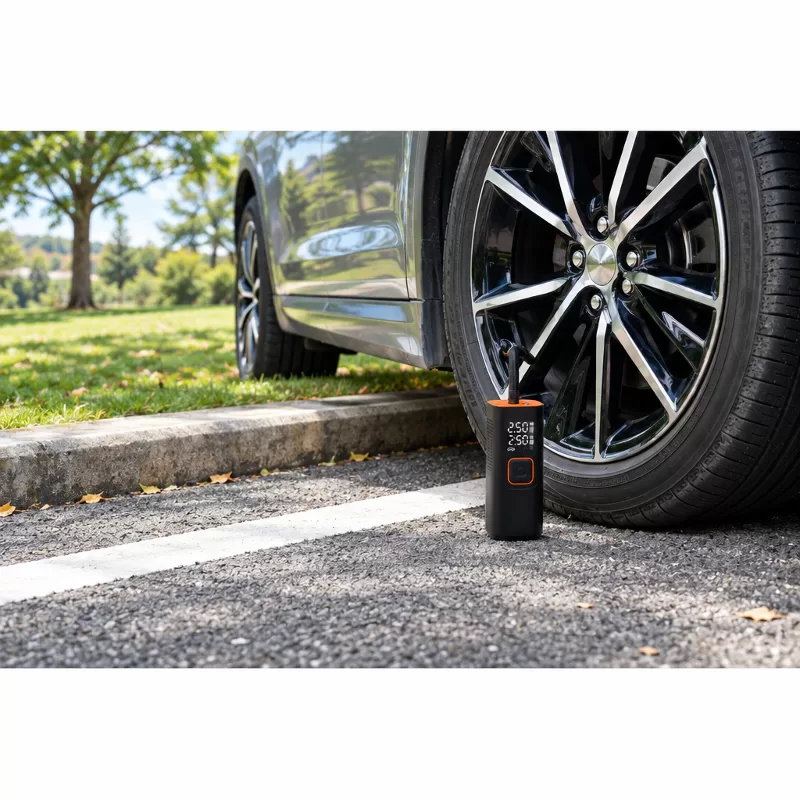
Essential Production Line Testing: Aging, Leak Detection, and Calibration
Reliable air pump manufacturers subject every production run to multi-stage quality control. Assembly lines should incorporate computerized leak decay detection systems to inspect valve blocks, pneumatic tubing, and hose unions before casing closure. Submerging pressurized sub-assemblies in water baths or tracking pressure decay over timed intervals reveals microscopic porosity in die-cast parts.
Burn-in testing stations run motors through repetitive duty cycles under electrical load to expose early component failures before shipping. Technicians monitor motor casing thermals, gear alignment noise, and current draw consistency across these extended endurance cycles. Units exhibiting high mechanical vibration or erratic current draw are quarantined and analyzed for assembly defects.
Compliance, Certification, and Regional Regulatory Standards
Global distribution requires adherence to regional safety and electromagnetic compatibility rules in each import market. Buyers should request the applicable declaration of conformity, technical documentation, and supporting test evidence. Independent third-party assessment should be specified where legally required or chosen as an additional procurement safeguard. Requirements differ by destination, so the checklist below is a starting point rather than a complete legal review:
- European Union market access mandates CE marking conformity across applicable legislation. The Low Voltage Directive applies where the product or relevant supplied equipment falls within its voltage scope; buyers should confirm the applicable EU legislation for the specific model and configuration.
- North American distribution requires determining the applicable FCC Part 15 equipment-authorization procedure for the specific device and obtaining the corresponding records.
- Hazardous substances compliance under the RoHS Directive and REACH Regulation requires that components meet applicable substance restrictions, concentration limits, and information obligations; buyers should request relevant declarations or test evidence for the specific product.
- Integrated rechargeable lithium battery assemblies: buyers should obtain or access the applicable UN 38.3 test summary and confirm shipment-specific dangerous-goods documentation with the carrier or forwarder. A Material Safety Data Sheet is something a carrier or logistics provider may request, not a universal transport requirement.
Missing or incomplete UN 38.3 documentation can lead carriers or forwarders to refuse lithium battery shipments, which delays launches and ties up inventory. Importers should confirm that the battery protection circuit incorporates over-charge, over-discharge, short-circuit, and high-temperature cut-offs. Comprehensive testing records protect the supply pipeline from regulatory disruption and make later document requests from retailers or marketplaces faster to answer.
Customization Capabilities: Tooling, Firmware Logic, and Packaging
A capable ODM tire inflator manufacturer provides customization services beyond simple logo pad printing. Premium brand positioning often requires modified exterior housings, unique colorways, customized tactile button configurations, and localized user manual translations. Experienced engineering teams can adapt microcontroller firmware to adjust auto-stop offsets, modify display units, or change display backlighting colors.
Packaging execution is another critical element for shelf presence in mainstream retail and e-commerce fulfillment. Sourcing partners should assist in designing protective molded pulp or EVA internal trays that pass the required drop tests. Well-packaged products arrive safely at customer doorsteps, protecting digital screens and threaded brass accessories throughout international freight handling.
Model Case Study: Evaluating the WG01 Portable Inflator Platform
Reviewing real product specifications shows how a portable inflator trades capacity against portability. The WG01 compact tire inflator is a useful example because its supplied data covers several parameters discussed above: pressure range, airflow, power, shut-off behavior, and storage design. Its feature set targets consumer automotive, cycling, gift, and emergency-use channels, which matches the multi-category approach described earlier.
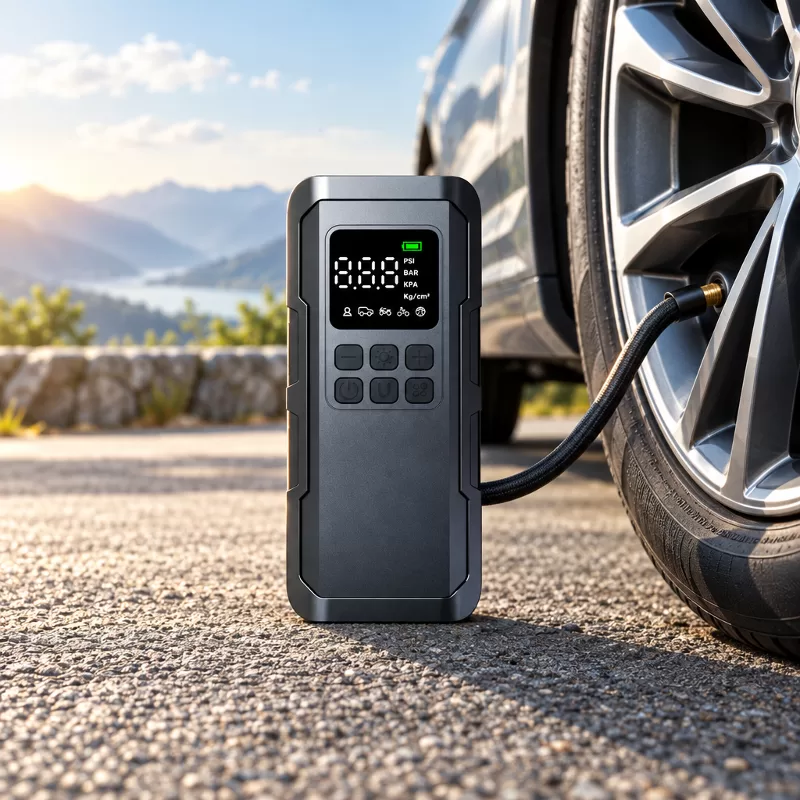
According to manufacturer-reported technical specifications, the WG01 integrates a 17-cylinder air-pump structure with a stated power rating of 35W. It delivers a nominal airflow of 20–22 L/min and covers a functional pressure spectrum from 2 to 150 PSI. This wide operating band allows the same unit to handle low-pressure balance vehicles alongside high-pressure bicycle tires, though the correct pressure depends on the tire or equipment manufacturer’s guidance.
The physical design addresses practical handling problems. The unit features built-in hose storage, keeping the inflation hose integrated with the compact body to reduce snagging and lost parts. Its guided LED interface provides structured mode selection and wheel-position operation, which makes the inflation steps easier for novice users to follow. Both features matter most when users are least patient, such as during a roadside stop at night.
The WG01 is specified to stop inflation automatically when the selected pressure is reached. Users must select the tire or equipment manufacturer’s recommended pressure; presets do not replace that check. As an everyday utility tool for commuter vehicles, e-bikes, wheelchairs, and sports equipment, the WG01 covers a wide range of household inflation tasks with one device. For global sourcing teams, evaluating models like the WG01 provides a tangible baseline for reviewing factory capabilities.
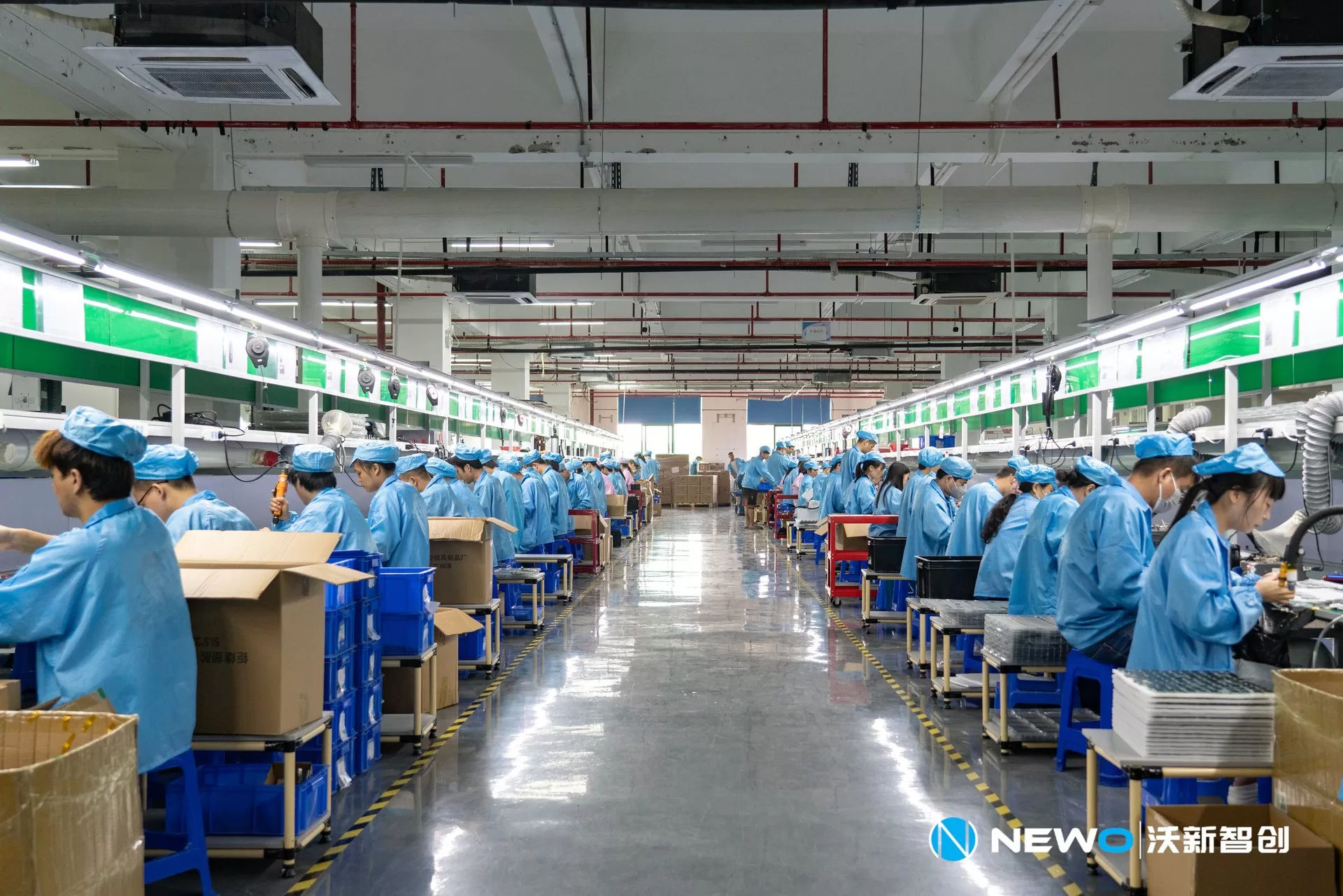
Newo describes itself as a professional manufacturer specializing in the research, development, and production of smart electric air pumps and portable inflation solutions, providing a wide range of products including portable tire inflators, electric bike pumps, car air pumps, ball pumps, and outdoor inflation solutions. Buyers evaluating us, or any other supplier, can apply the same verification checklist described above before committing to tooling or volume orders.
Frequently Asked Questions (FAQs)
What does a 150 PSI rating actually mean for a compact portable tire inflator?
A 150 PSI rating represents the manufacturer-stated maximum operating pressure. It does not indicate that the inflator is intended to pump standard vehicle tires up to that level. Passenger car tires should always be inflated according to the vehicle manufacturer placard on the driver door jamb, which typically recommends between 30 and 36 PSI cold. A 150 PSI rating accommodates high-pressure, low-volume applications such as some narrow road bicycle tires, though the correct pressure depends on the tire, rim, load, and manufacturer guidance.
Can a portable 35W air pump completely inflate a flat car tire from zero?
The WG01 specification does not report its capability to inflate a completely flat passenger vehicle tire from zero PSI. Portable micro-compressors are primarily engineered for routine pressure maintenance, seasonal top-ups, and topping off slow leaks. Buyers should consult the product manual or verified test results to confirm full-flat inflation capability and safe operating limits.
Why is duty cycle more critical than maximum pressure when assessing inflator durability?
Maximum pressure is the manufacturer-stated operating limit and does not establish continuous runtime or durability. Duty cycle governs how long the motor and piston assembly can run before heat degrades internal components. Dry-running micro-piston compressors lack active liquid cooling systems and depend on conductive heat sinks and cooling airflow. Durability assessments should prioritize thermal endurance over continuous run cycles. The WG01 specification does not report a duty cycle limit; consult its manual or verified test data for safe operating intervals.
How does automatic shut-off prevent dangerous tire over-inflation?
The WG01 is specified to stop inflation automatically when the selected pressure is reached. Users must select the tire or equipment manufacturer’s recommended pressure; presets do not replace that check. If the selected target is wrong or the measurement is inaccurate, automatic shut-off does not guarantee safe pressure. Buyers seeking detailed sensor and control architecture should consult verified product documentation.
What documentation should buyers request to verify manufacturer claims before ordering?
Commercial procurement teams should request comprehensive technical documentation before placing mass production orders. This includes the applicable declaration of conformity, technical documentation, and supporting test evidence for the specific product and legislation, along with declarations or test evidence demonstrating that components meet applicable substance restrictions, concentration limits, and information obligations under the RoHS Directive and REACH Regulation. If the inflator contains rechargeable lithium battery cells, the buyer should obtain or access the applicable UN 38.3 test summary and confirm shipment-specific dangerous-goods documentation with the carrier or forwarder. Requesting real-world tire inflation time logs and exploded parts diagrams also helps verify engineering capabilities. ISO 9001 certification serves as an optional supplier-quality check, not a product-market requirement.
Conclusion
Partnering with the right tire inflator manufacturer means weighing mechanical performance, thermal durability, and factory quality management together. Sourcing managers should evaluate working pressure capabilities, tested back-pressure airflow, and digital control firmware rather than trusting headline marketing claims. By examining duty cycles, pressure sensing calibration, and compliance documentation, brands can build product portfolios that earn customer trust. Working with a dedicated tire inflator manufacturer that controls its core tooling and quality testing gives a brand a stronger footing in competitive global markets.
-
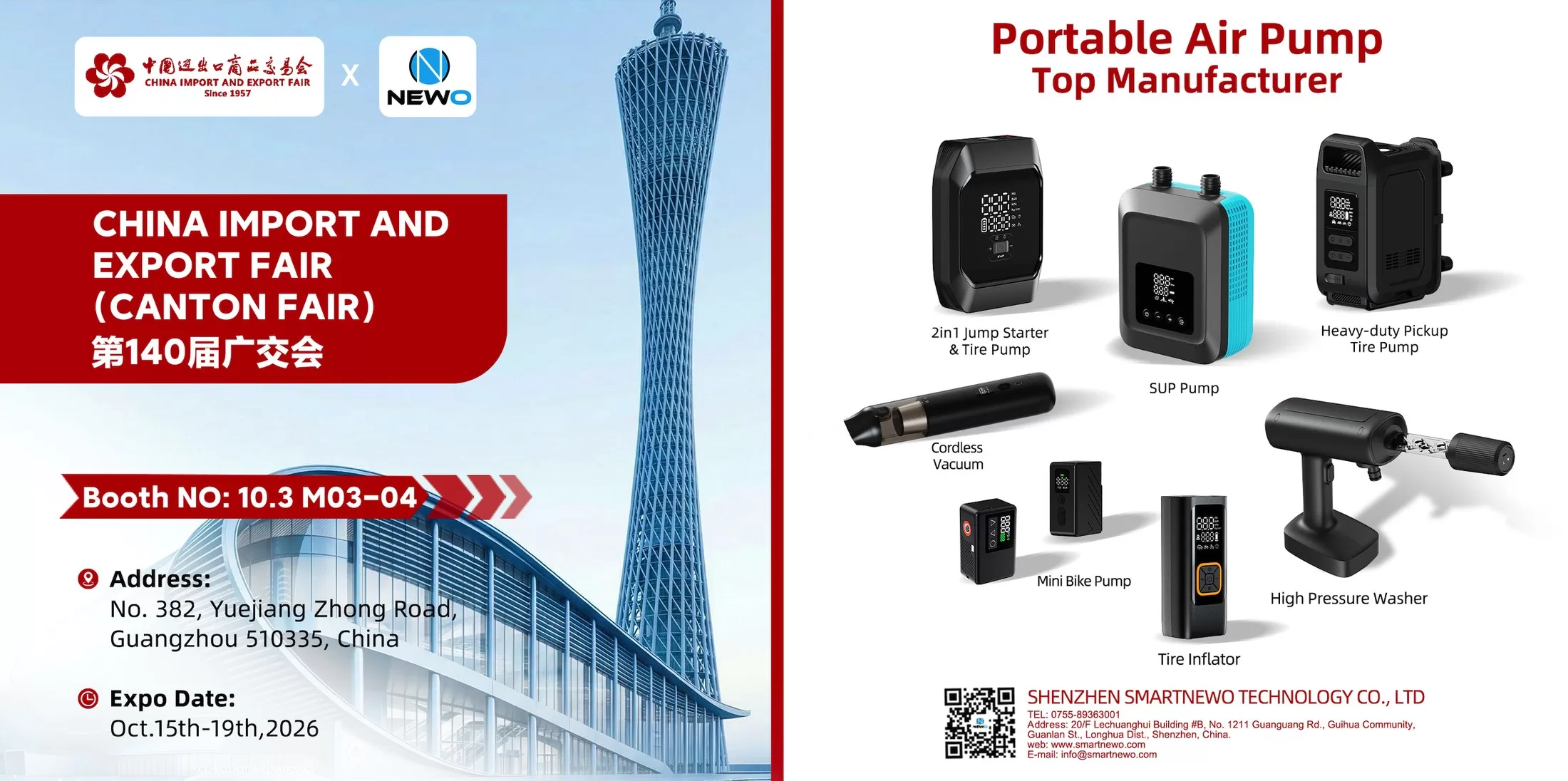
Meet NEWO at the 140th Canton Fair: Visit Booth 10.3 M03–04
Meet NEWO at the 140th Canton Fair in Guangzhou, October 15–19, 2026. Visit Booth 10.3 M03–04 to explore portable air pumps and discuss OEM, ODM and distribution opportunities.... -

As Shenzhen Welcomes the World for APEC 2026, NEWO Welcomes You to Our Factory
As Shenzhen prepares for APEC 2026, NEWO welcomes international buyers and partners to visit our factory, meet our team and explore future cooperation.... -
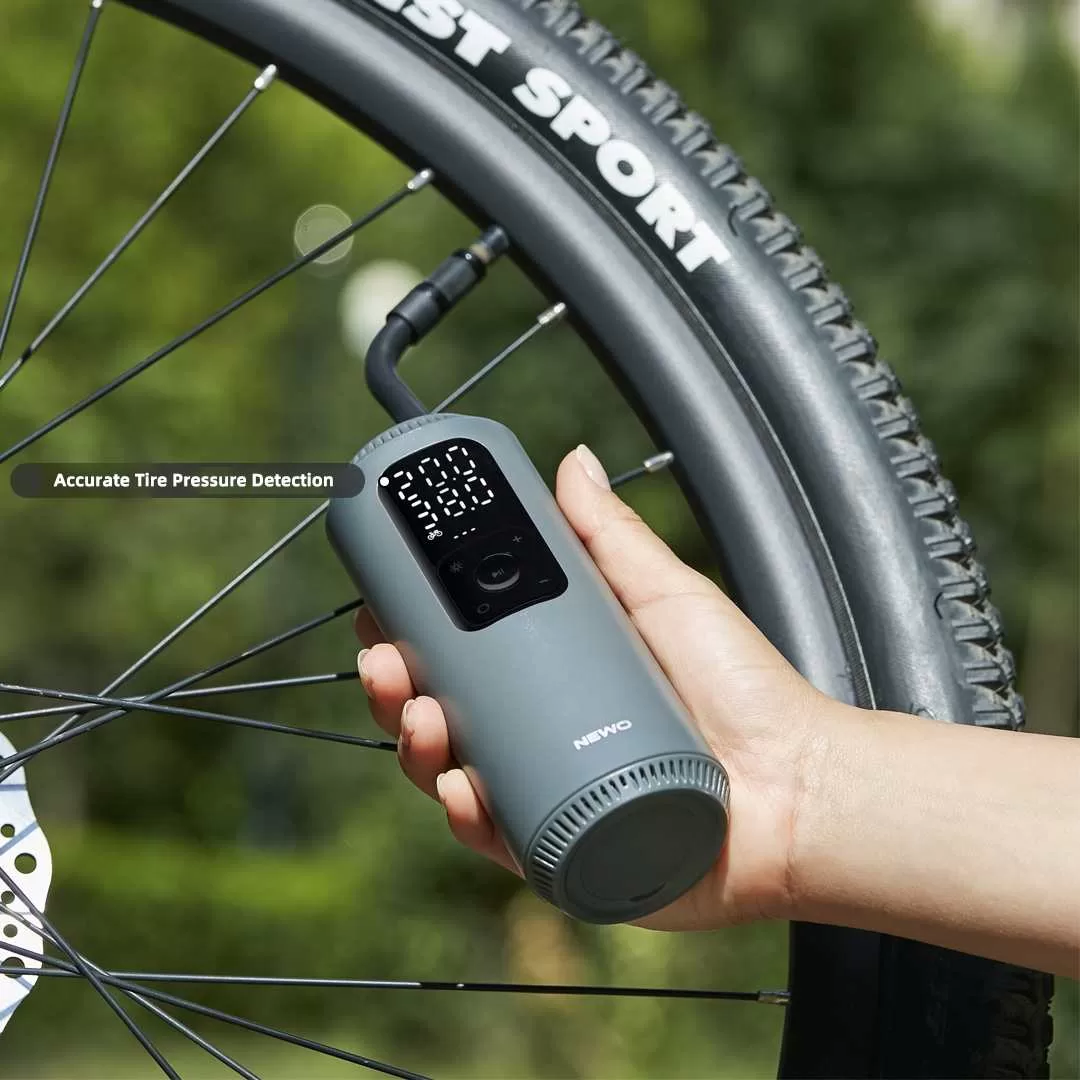
Leading the Way in Product Innovation and Excellence
Smartnewo exemplifies professionalism in product innovation and manufacturing. Their collaboration with Xiaomi Youpin on the G01 crowdfunding project highlights their expertise in creating compact, powerful inflatable pumps. Rigorous engineering, meticulous production processes, and advanced quality assurance underscore their commitment to excellence. The success of the G01 project, with significant market... -
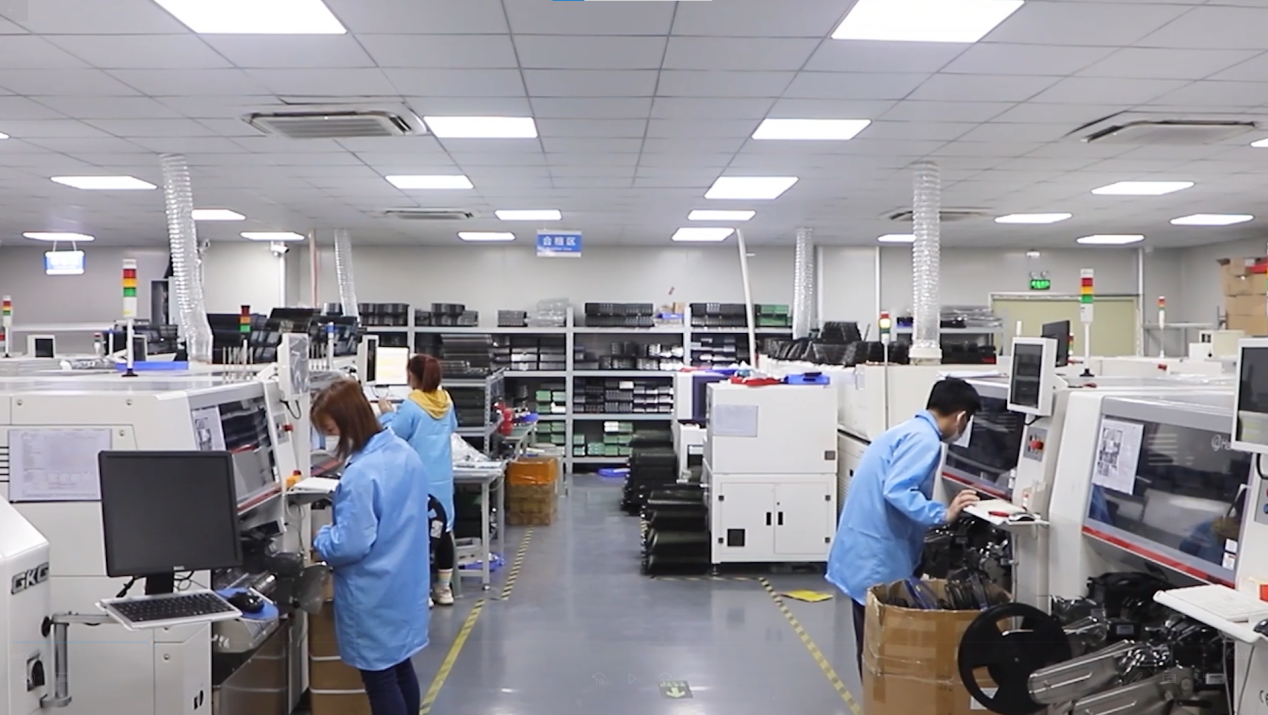
Essential Qualities of an Excellent Supplier
In today's competitive market, finding a reliable supplier is crucial for business success. Based on insights from Smartnewo and broader internet research, here are key qualities an excellent supplier must possess:... -
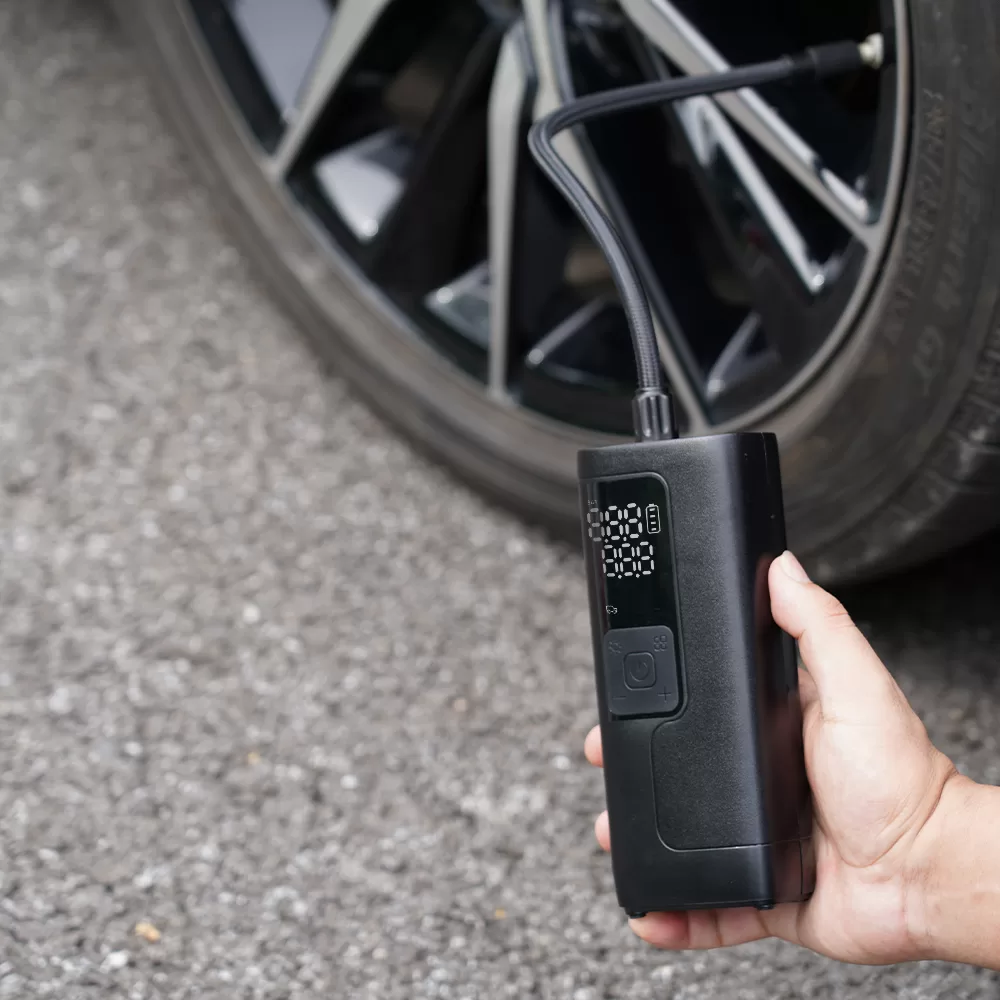
NW06 Tire Inflator: Compact Power for Quick Inflation
Summary The NW06 Tire Inflator delivers quick and efficient tire inflation with a powerful 35L/min airflow. It features a user-friendly LCD screen for real-time pressure monitoring, dual power options with a built-in 6000mAh battery, and multiple nozzle attachments for versatile use. Its compact design and integrated LED light ensure convenience and... -
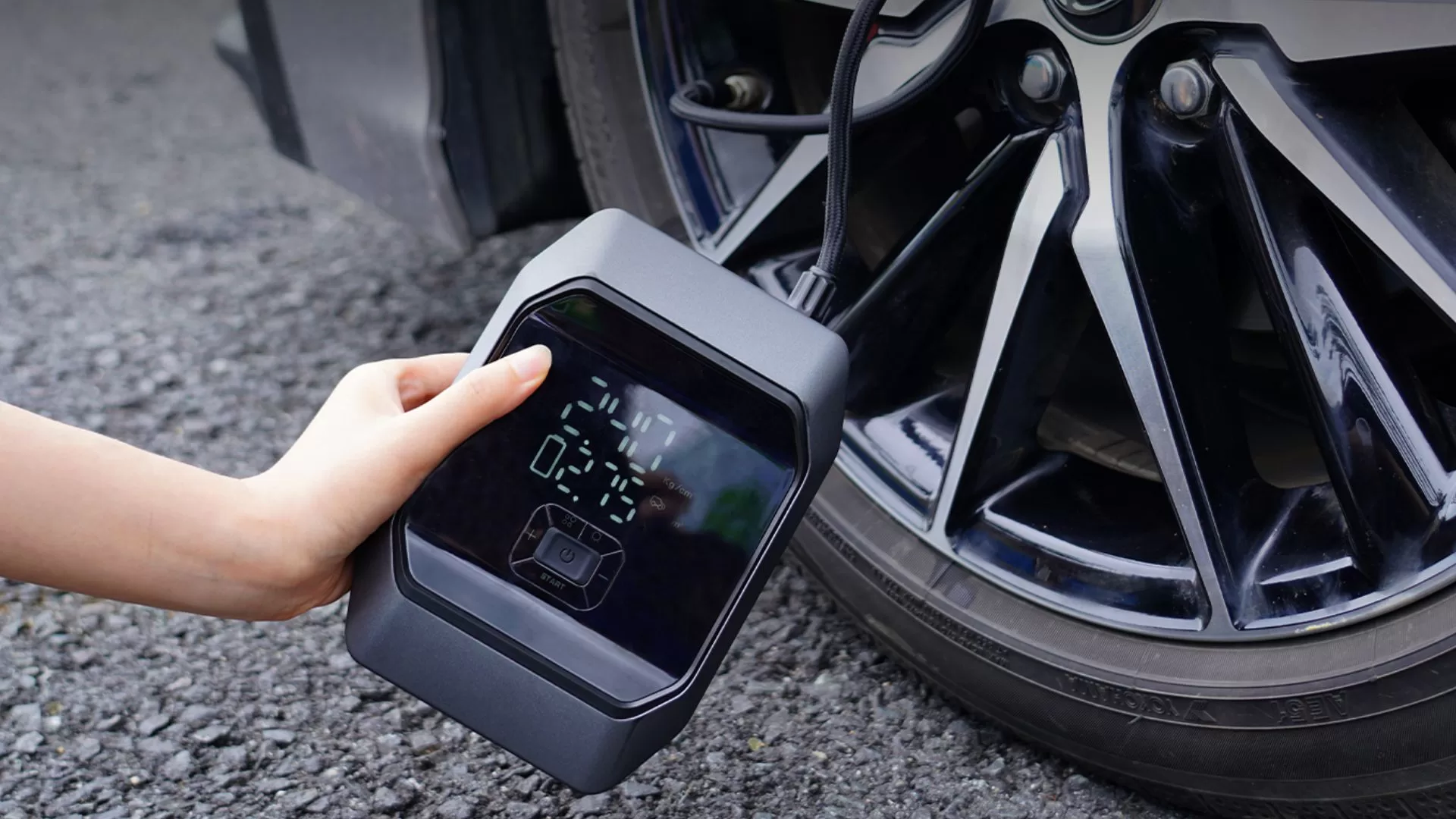
Unleash the Power of Portability: The SmartNewo Jump Starter with Air Compressor KF03
This guide will walk you through the steps to effectively use a portable tire inflator, helping you stay prepared and safe on the road.... -
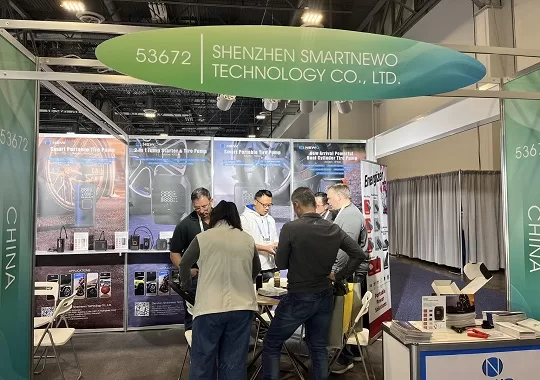
Newo Attends The 2024 Consumer Electronics Show (CES)
Smartnewo booth is located at 53672, Halls A-D, Level 2, Venetian Expo, Las Vegas Convention Center (LVCC). ... -
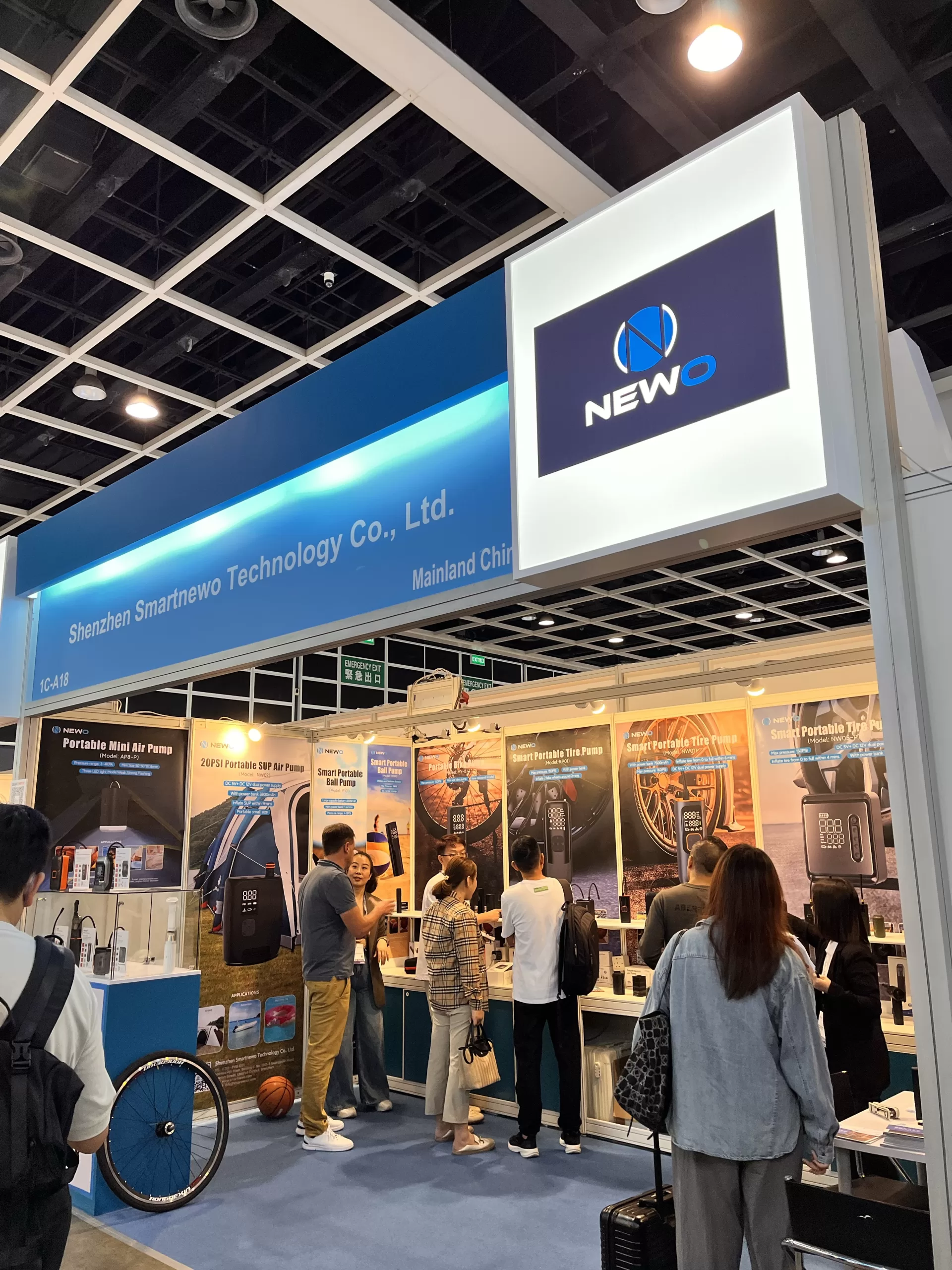
Smartnewo’s Dual-Cylinder Air Pump Rocks the Hong Kong Autumn Electronics Fair!
Smartnewo’s Dual-Cylinder Air Pump Rocks the Hong Kong Autumn Electronics Fair!... -

Meet at the Canton Fair! Smartnewo brings dual-cylinder air pumps, making your inflation experience faster and more stable!
NEWO has went deep communication and negotiation with customers from all over the world on booth.... -
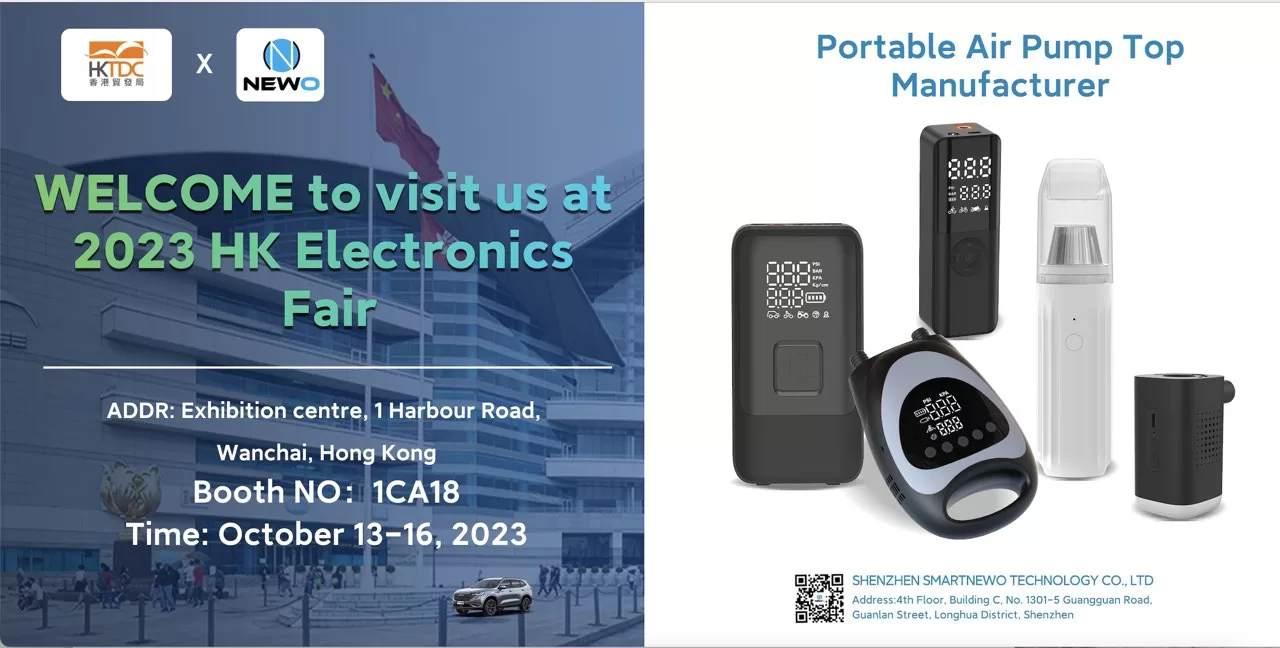
“Hong Kong Autumn Electronics Fair – 1CA18 (October 13th to 16th): Smartnewo invites you to visit our booth!
Hong Kong Autumn Electronics Fair...
-
What to Check Before Ordering Custom Electric Bike Pumps
Plan custom electric bike pumps with a clear requirements freeze for valves, TPU tubes, portability, repeated top-ups, charging, and model-specific documents.... -
OEM vs ODM Air Pumps: Which Manufacturing Model Fits Your Brand?
Compare OEM and ODM air pump projects by design responsibility, change approval, development scope, and written ownership terms before choosing your route.... -

How to Choose a Reliable Tire Inflator Manufacturer in China
Choose a tire inflator manufacturer in China with a focused RFQ, supplier evidence, configuration checks, and clear sample-to-pilot decisions for your brand.... -
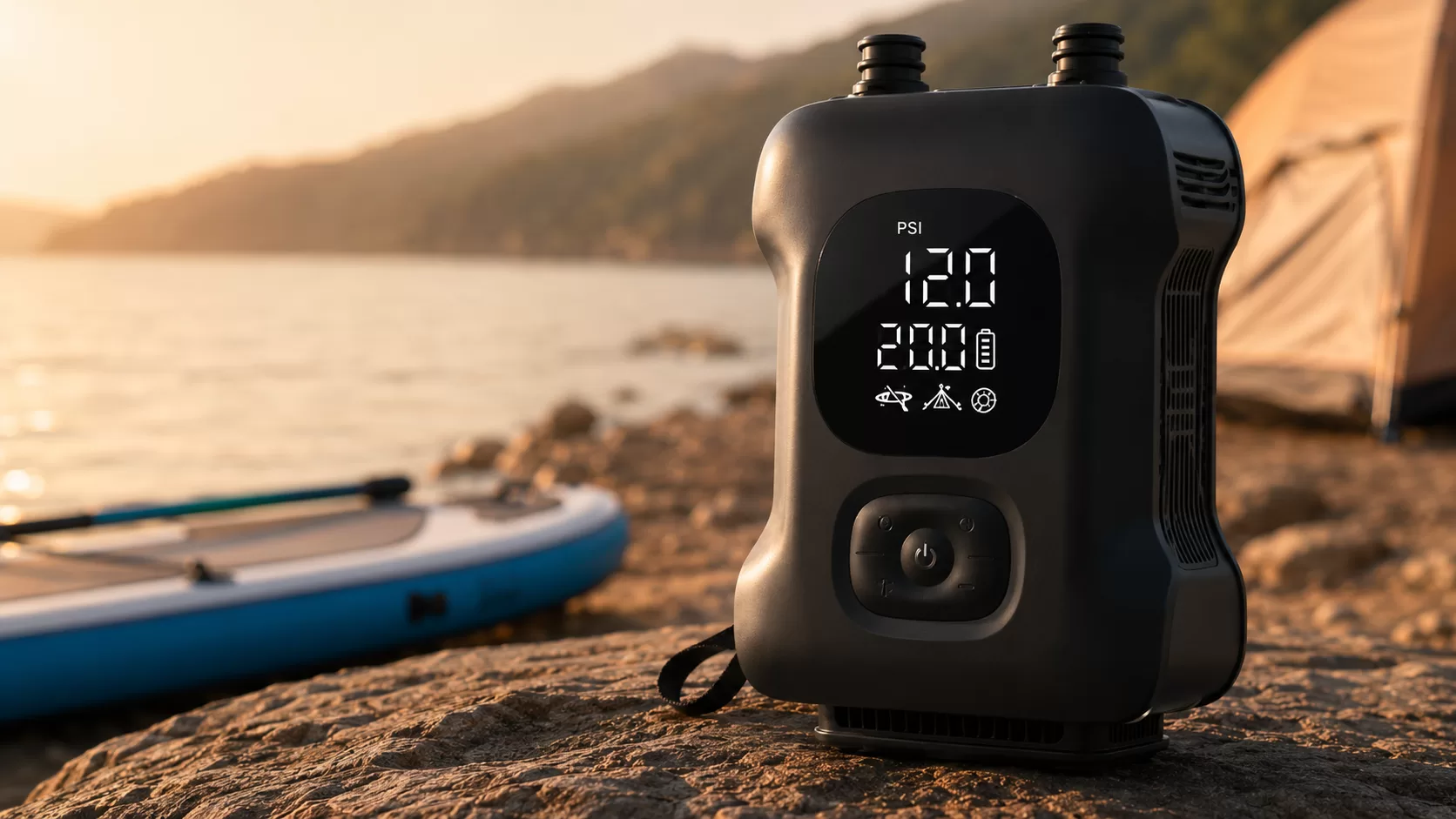
Rechargeable Electric SUP Pump for Paddle Boards: Faster Inflation for SUPs, Kayaks and Inflatable Tents
The BL10-C Portable Electric Bike Tire Inflator is a compact and lightweight mini electric bike pump designed for modern cyclists. With up to 120 PSI pressure, a digital LED display, preset pressure control, automatic shut-off, USB-C charging, and multiple valve adapters, BL10-C offers a convenient inflation solution for road bikes,... -

Are Electric Bike Pumps Worth It in 2026? Electric Pump vs CO₂ vs Mini Hand Pump
Discover whether electric bike pumps are worth it in 2026. This guide compares electric bike pumps, CO₂ inflators, and mini hand pumps for road cycling, gravel riding, commuting, and long-distance rides. Learn the pros, limitations, best use cases, and key features to look for before choosing the right portable tire... -
BL10-C Portable Electric Bike Tire Inflator: Small Size, Reliable Power for Every Ride
The BL10-C Portable Electric Bike Tire Inflator is a compact and lightweight mini electric bike pump designed for modern cyclists. With up to 120 PSI pressure, a digital LED display, preset pressure control, automatic shut-off, USB-C charging, and multiple valve adapters, BL10-C offers a convenient inflation solution for road bikes,... -
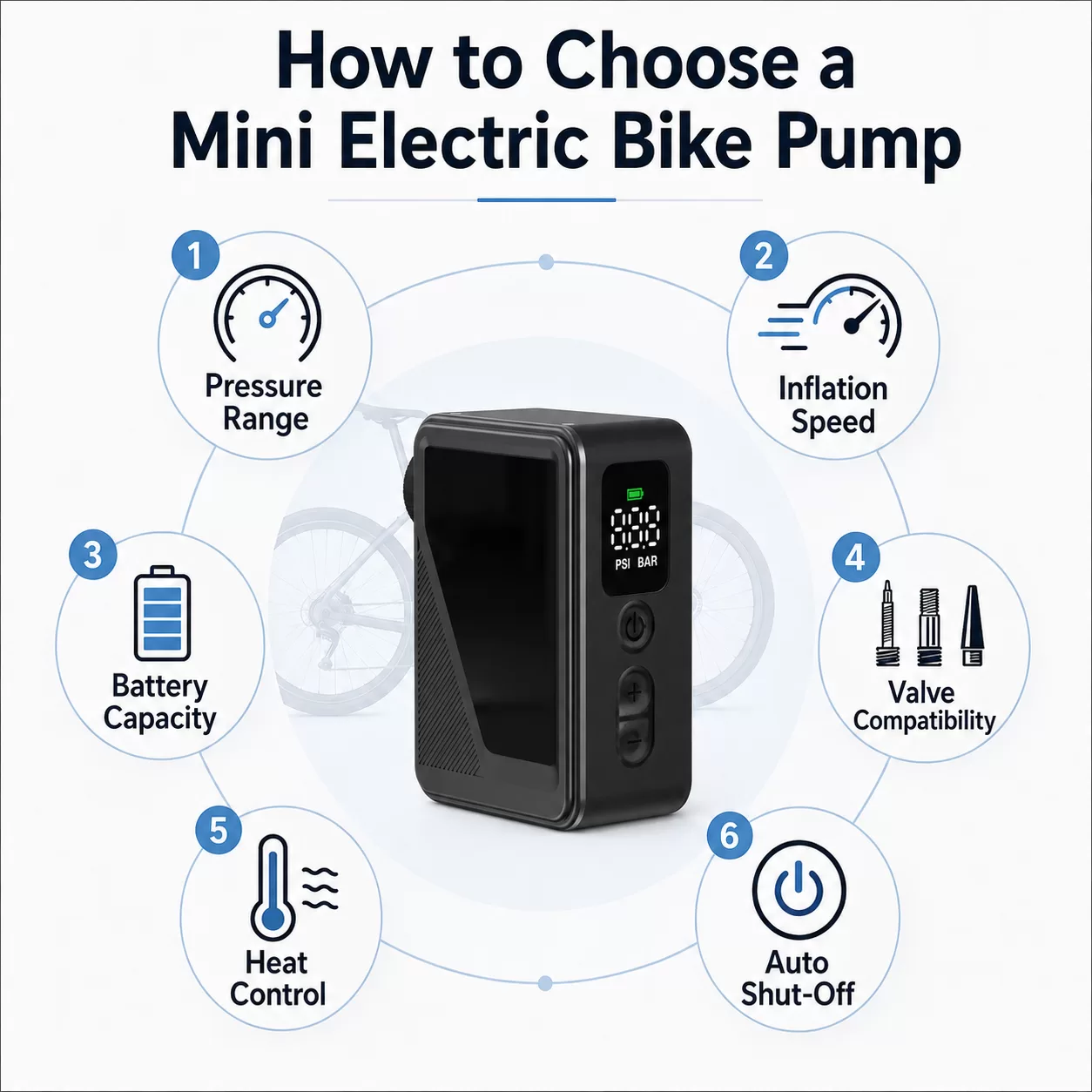
Why Mini Electric Bike Pumps Are Becoming Essential for Modern Cycling
Discover why mini electric bike pumps are becoming essential for modern cyclists. Learn how portable electric bike pumps improve tire pressure management, riding safety, and convenience.... -
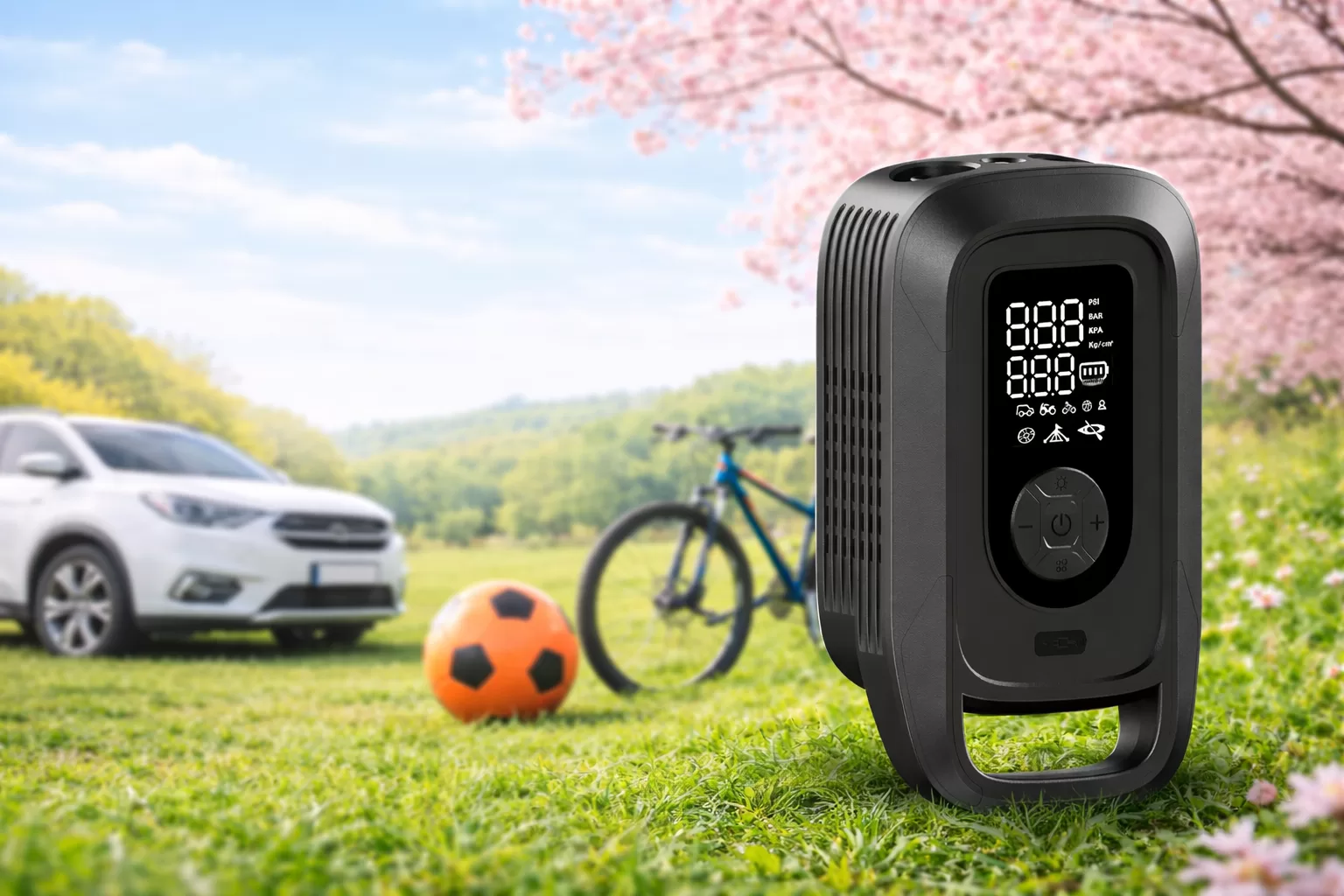
The Ultimate Smart Solution for Easy Outdoor Adventures in 2026
Discover how a spring travel air pump simplifies outdoor trips with fast inflation, smart features, and powerful performance—perfect for every adventure.... -
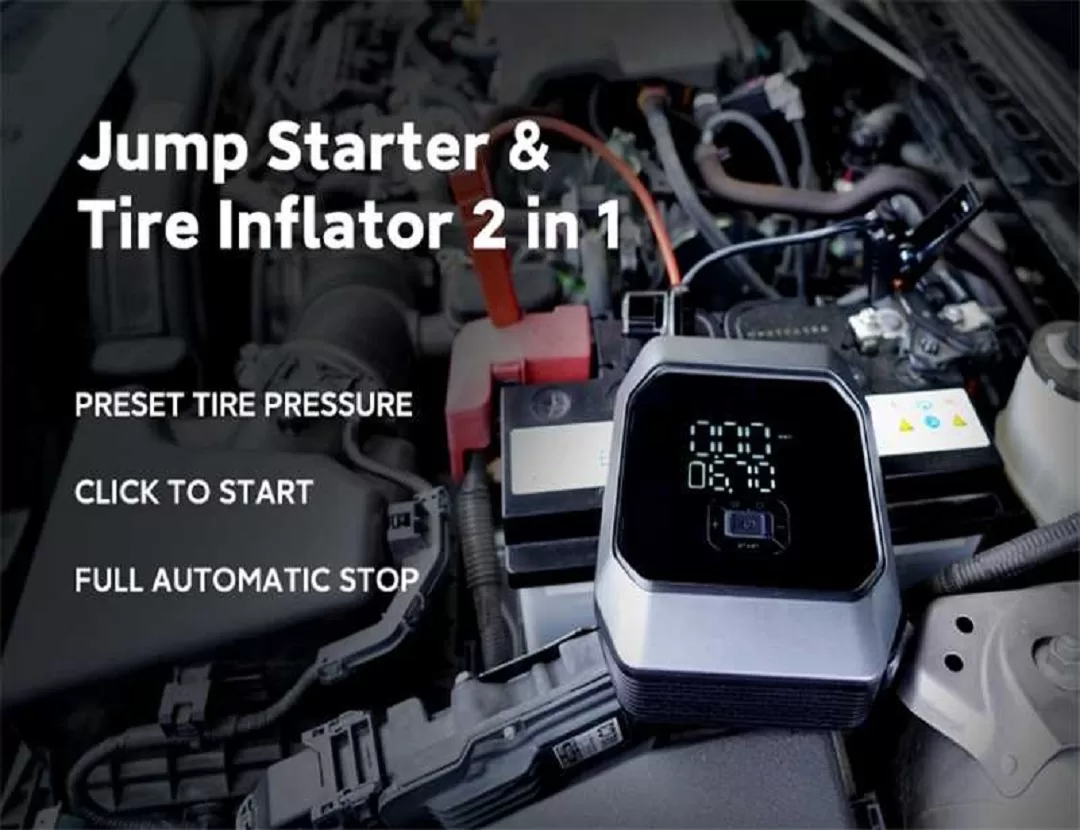
Powerful 5-in-1 Portable Car Tire Inflator and Jump Starter: The Ultimate Emergency Tool for Every Driver
Why Every Driver Needs a Portable Car Tire Inflator and Jump Starter Modern drivers face many unexpected situations on the road. A flat tire, low tire pressure, or a dead car battery can happen at the worst possible time. That’s why having a portable car tire inflator and jump starter is... -

7 Real Cycling Scenarios That Show Why Every Rider Should Carry a Mini Bike Pump
Cycling is one of the most freeing activities you can enjoy. Whether you’re commuting to work, riding through city streets, or exploring quiet countryside roads, a bike ride can instantly improve your day. But there’s one small problem that almost every cyclist eventually faces: Low tire pressure. It might happen...
-
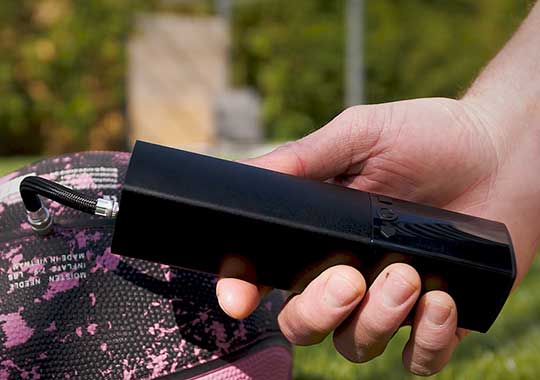
How Is a Football Properly Inflated?
The correct inflation of a football - with not too much and not too little air - is a hotly debated topic among footballers.... -

Application Scenarios of Car Inflator Pump
Often long-distance business trips or play car owners because the road may be more remote areas, in this case if you encounter a tire leak....