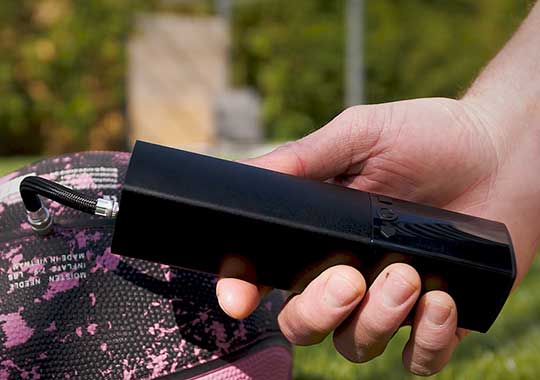

 Portable Tire Inflators
 Electric Air Pumps
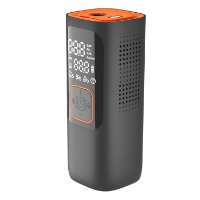 Electric Car Tyre Pumps
 Electric Ball Pumps
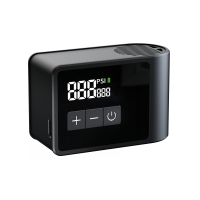 Electric Bike Pump
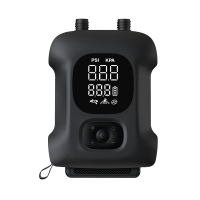 SUP Air Pump

Portable Air Pump for Car Tires: Complete Buyer and Practical Operation Guide
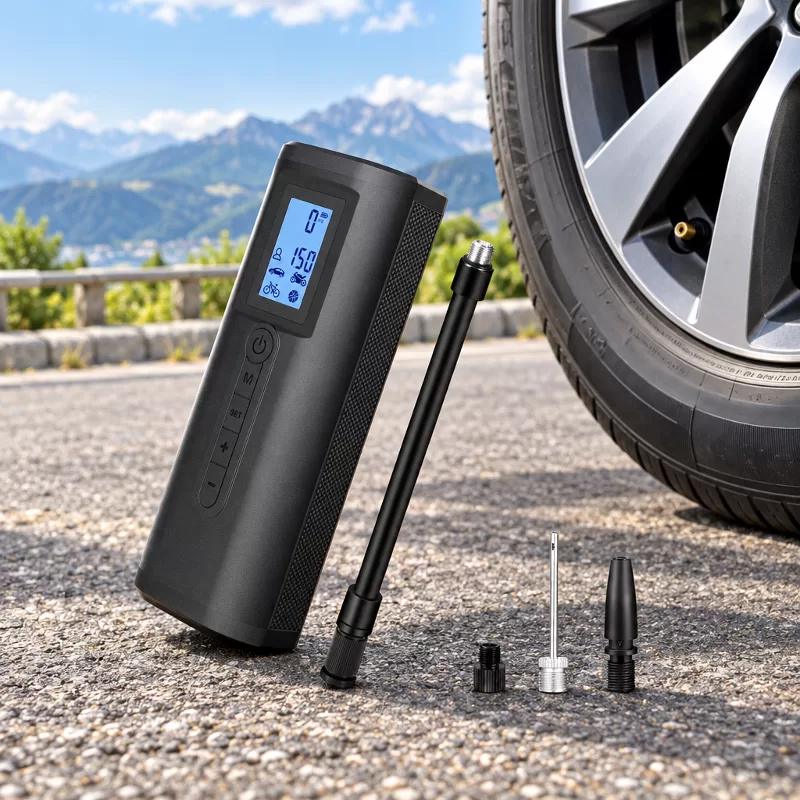
Maintaining correct tire pressure is one of the most effective habits for ensuring road safety, extending tread life, and preserving vehicle fuel efficiency. A portable air pump for car tires gives drivers the autonomy to handle unexpected pressure drops, seasonal shifts, and daily maintenance without hunting for operational service station compressors. Having a reliable portable tire inflator inside your trunk or glove compartment lets you address a low-pressure alert promptly, though a warning that persists or returns requires inspection. This convenience brings complete peace of mind on daily commutes and remote road trips alike.
What Drivers Actually Need from a Portable Air Pump for Car Tires
Vehicles equipped with tire pressure monitoring systems alert drivers when pressure drops significantly, yet TPMS does not replace regular manual gauge checks. Understanding your real driving needs helps you select the right portable air compressor for cars before an emergency occurs.
Common Scenarios Calling for a Compact Inflator
Tires naturally lose air over time through microscopic permeation across the rubber carcass, leading to gradual underinflation even without punctures. A sudden drop in ambient autumn or winter temperatures generally lowers tire pressure, which frequently trips the vehicle tire pressure monitoring system overnight. As a practical rule of thumb, pressure changes by about 1 PSI per 10-degree Fahrenheit temperature change.
Commuters often face slow leaks caused by small nails or embedded screws that do not instantly flatten the tire but drain several pounds of pressure per day. In such situations, having a cordless tire inflator allows you to restore driving pressure in your driveway or parking space, saving you from driving on a dangerously underinflated tire to reach a repair garage.
Weekend road trips and camping excursions frequently take motorists far from commercial service plazas. Stashing a compact car tire pump in the trunk ensures you can top off your tires before tackling mountain roads or highway stretches where service stations are scarce.
What a Portable Inflator Can and Cannot Accomplish
A portable electric inflator is designed primarily for topping off tires, routine cold pressure balancing, and managing minor slow-leak emergencies until permanent mechanical repairs can take place. Compact portable pumps move modest volumes of air reliably, making them suitable for routine pressure adjustments when tire size, starting pressure, pump limits, and operating conditions align.
However, a compact 12V car air pump cannot magically mend torn sidewalls, unseated tire beads, or major structural tread punctures. Attempting to inflate a tire that has completely separated from its wheel rim or suffered severe impact cuts is dangerous and requires installing a spare tire or calling roadside recovery.
Crucial Factors When Choosing a Portable Tire Inflator
Selecting an appropriate portable air pump for car tires requires looking past superficial marketing claims and evaluating core engineering features. Matching equipment capabilities to your specific vehicle saves both time and frustration during roadside use.
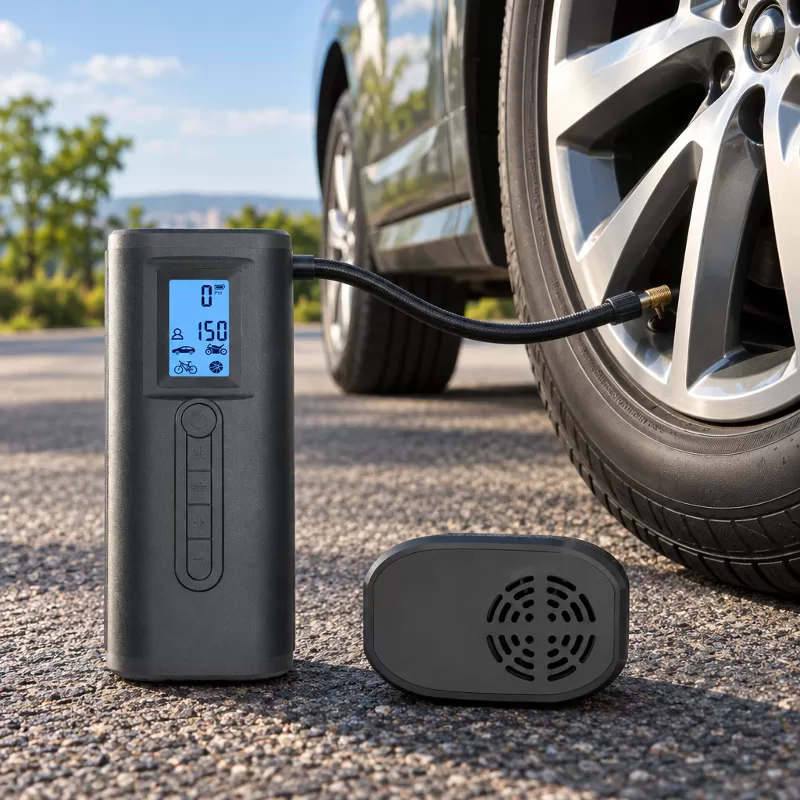
Confirming Your Vehicle Target Cold Pressure
Before browsing pump models, locate the official tire information placard permanently bonded to your vehicle driver-side door jamb. This federally mandated label indicates the exact recommended cold inflation pressure engineered for your car suspension geometry, gross axle weight rating, and original tire specifications.
Never use the maximum pressure molded onto the tire sidewall as your inflation target, as that number merely marks the maximum structural load limit of the tire casing. Dialing the sidewall maximum into your portable air pump will cause severe overinflation, resulting in harsh ride quality, compromised wet traction, and accelerated central tread wear.
Pressure Rating vs. Actual Air Delivery
Many compact pumps boast a maximum pressure rating of 120 or 150 PSI, which sounds impressive on commercial packaging. However, standard passenger car tires operate at the pressures specified on the vehicle placard, meaning an extreme maximum pressure rating does not determine how fast the tool functions or how suitable it is for your vehicle.
Actual inflation speed depends on volumetric air flow, commonly expressed in liters per minute (L/min) or cubic feet per minute (CFM). A small pump moving 15 L/min can reach high pressures in a low-volume road bicycle tire quickly, but requires noticeably more time to fill a high-volume light truck or crossover tire.
Cordless Battery Freedom vs. 12V Continuous DC Power
Cordless battery inflators eliminate cumbersome cables, allowing you to walk freely around all four corners of your vehicle without snagging cords on bodywork. They are exceptionally convenient for rapid curb-side checks, bicycle tires, and sporting goods, provided you keep their onboard lithium cells charged.
Conversely, traditional 12V inflators plug straight into your vehicle cigarette lighter receptacle, drawing power directly from the car electrical system. While 12V wired models eliminate battery shelf-life concerns, their reach is restricted by cord length, and dragging dusty cords across clean vehicle paint can be inconvenient. Vehicle-powered pumps also depend on the vehicle’s electrical capacity and remain subject to their own duty-cycle limits.
Digital Controls, Auto Shut-Off, and Working Interfaces
Analog dial gauges are prone to parallax reading errors and mechanical calibration drift when bounced around inside a moving vehicle. Modern digital tire inflators feature electronic pressure transducers paired with clear back-lit displays that show real-time cavity pressure and target values simultaneously.
Automatic shut-off functionality is an essential safety feature for any portable inflator. You simply program your target pressure using intuitive plus and minus buttons, start the motor, and let the integrated microcontroller shut the unit off the instant desired pressure is attained, eliminating the danger of overinflation.
Physical Form Factor, Duty Cycles, and Heat Dissipation
Compressing atmospheric air concentrates kinetic energy, generating considerable heat within the cylinder head and valve block. Micro-sized handheld inflators must dissipate this thermal energy through compact ventilation grilles and internal cooling fans.
Because of their small thermal mass, compact portable units have a rated duty cycle, meaning they require intermittent rest periods after extended runs. Understanding your pump continuous run time ensures you do not overheat internal motor windings while topping off multiple tires back to back.
Demystifying Technical Specifications
Navigating hardware specification sheets helps consumers avoid mismatched expectations when shopping for a portable air pump for car tires. Breaking down mechanical metrics allows you to judge performance objectively.
| Technical Metric | Typical Consumer Value | Practical Meaning for Vehicle Owners |
|---|---|---|
| Maximum Pressure | 100 to 150 PSI | Upper structural limit of the cylinder; far exceeds normal car tire needs |
| Free Airflow | 15 to 35 L/min | Volume moved per minute; one factor in speed of pressure adjustments |
| Power Architecture | 7.4V / 11.1V / 12V DC | Determines cordless autonomy or direct vehicle battery connection |
| Continuous Run Time | 15 to 30 minutes | Maximum run window before mandatory thermal cool-down is needed |
| Unit Weight | 350 g to 1.5 kg | Governs portability, glove box storage, and ease of handheld operation |
Decoupling Maximum PSI from Vehicle Demands
Pneumatic tools designed for consumer vehicles often highlight 150 PSI capabilities because their small-bore cylinders are engineered with tight mechanical tolerances. This mechanical design easily builds pressure against high-resistance backpressures, such as compact bicycle tubes or suspension shocks.
Maximum pressure ratings do not determine inflation speed at typical vehicle pressures. The listed airflow is one factor, but actual tire inflation time also varies with tire volume, starting pressure, pump performance under load, and operating conditions.
Understanding Airflow Rates and Inflation Expectations
Free airflow rates published on specification sheets reflect cylinder throughput at zero backpressure, such as blowing air freely into ambient atmosphere. Once threaded onto a tire valve stem resisting at typical vehicle pressures, real-world airflow naturally drops as backpressure rises.
Actual inflation time varies with tire size, starting pressure, and operating conditions. Portable units excel at regular maintenance rather than mounting unseated rubber or refilling completely flat large tires from zero.
Battery Specs, Watt-Hours, and Standby Management
When evaluating battery-powered inflators, look closely at nominal battery pack architecture and total watt-hour capacity. Understanding how battery cells deliver voltage and capacity helps drivers assess expected runtime and charging requirements.
All lithium-based portable devices experience slow natural self-discharge when stored in extreme trunk environments, where summer heat and winter freezes sap standby reserves. Checking battery indicator bars quarterly and charging via standard Type-C cables guarantees emergency readiness whenever road hazards occur.
Sensor Precision, Multi-Unit Displays, and Real-Time Feedback
Digital pressure sensors convert mechanical pressure into calibrated millivolt readings displayed on screen. A quality pump provides multi-unit switching, allowing drivers to toggle smoothly between Imperial PSI, European Bar, and Asian or commercial Kilopascals (kPa).
Having a digital pressure display helps motorists set each tire to the pressure specified for its position on the vehicle placard. Front and rear axles may require different pressures, and matching the manufacturer specification promotes even tire wear and proper vehicle handling.
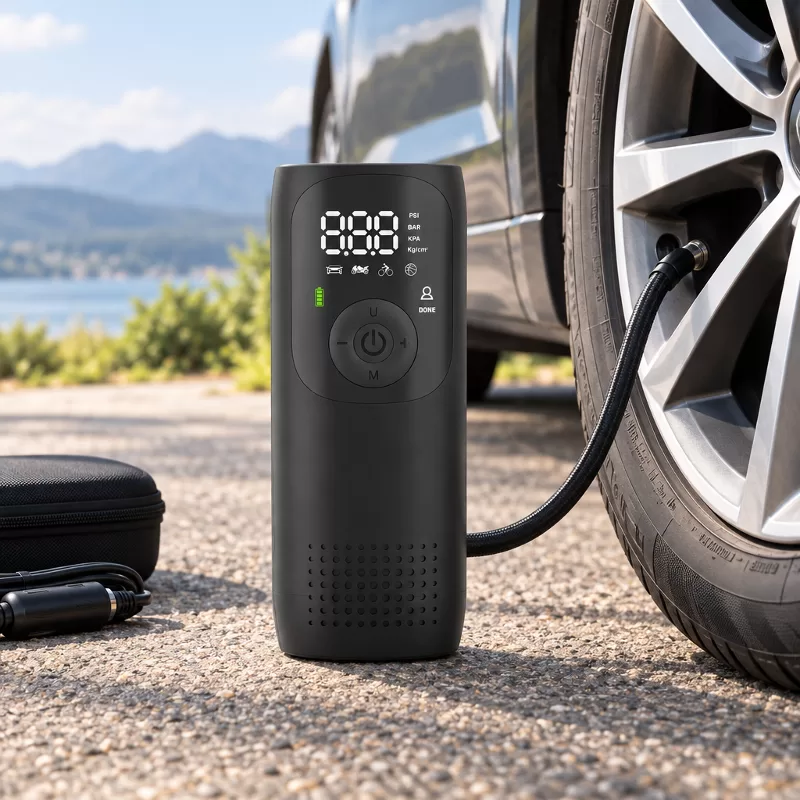
Step-by-Step Guide to Safe Tire Inflation
Using a portable air pump for car tires correctly ensures user safety and protects expensive wheel rims and valve assemblies. Adopting an orderly operational sequence prevents accidental damage and delivers consistent results.
Step 1: Safe Staging and Initial Cold Measurement
Park your vehicle on firm, level ground safely away from moving traffic, engage the parking brake, and switch off the engine. Ensure the tires are cold, meaning the vehicle has remained parked for at least three hours. Consult your vehicle or tire manufacturer’s guidance if checking pressure after a short drive.
- Locate your vehicle tire placard on the driver-side door frame to identify required front and rear cold pressures.
- Unscrew the threaded dust cap from the tire valve stem and place it somewhere secure, such as your pocket.
- Clear any loose road grit, mud, or moisture from the valve stem threads using a clean cloth or finger tip.
- Power on your digital inflator and inspect the display to confirm ample remaining battery reserve.
Step 2: Threading Connections and Target Calibration
Attach the inflator air hose chuck to the valve stem according to the pump’s instructions. Check for a secure seal; if air continues escaping, stop and reseat the fitting to ensure an airtight connection.
Once connected, the display shows a pressure reading. Follow the pump’s instructions and verify with a reliable tire-pressure gauge when accuracy matters. Compare against your door placard recommendation, then press the plus or minus control keys to set your exact target pressure. Most smart units let you choose a dedicated car mode to simplify configuration.
Step 3: Pumping, Auto Shut-Off, and Verification
Place the inflator upright on the pavement or support it comfortably in your hand so the hose hangs without sharp kinks. Press the main power button to start the motor, keeping hands clear of the hot air outlet fitting as the cylinder strokes.
Allow the pump to run undisturbed until its automatic shut-off triggers precisely at your preset pressure threshold. Press the stop switch if necessary, unthread the air chuck swiftly to minimize pressure loss, reinstall the plastic dust cap tightly, and verify the final cold reading with an independent gauge if high precision is required.
Temperature Dynamics: Understanding Cold vs. Hot Readings
Tire pressure changes with temperature variations, which is why vehicle manufacturers specify cold inflation pressures. Driving warms tires and can raise the pressure reading above cold specifications.
Never bleed air from warm tires merely to reach the cold placard pressure; doing so leaves your tires dangerously underinflated once the rubber cools back down to ambient temperatures.
Hazard Indicators: When to Discontinue Inflation Immediately
Never treat a tire inflator as a remedy for severe structural damage. Inspect the tread and sidewall visually before and during the pumping process to catch catastrophic casing failures early.
- Noticeable sidewall bulges, bubbles, or blisters indicating broken internal cord plies.
- Audible hissing or continued pressure loss indicating an air leak.
- Deep sidewall lacerations that expose underlying steel belts or nylon carcass cords.
- Inflator motor stalling, emitting burning electrical odors, or becoming too hot to touch comfortably.
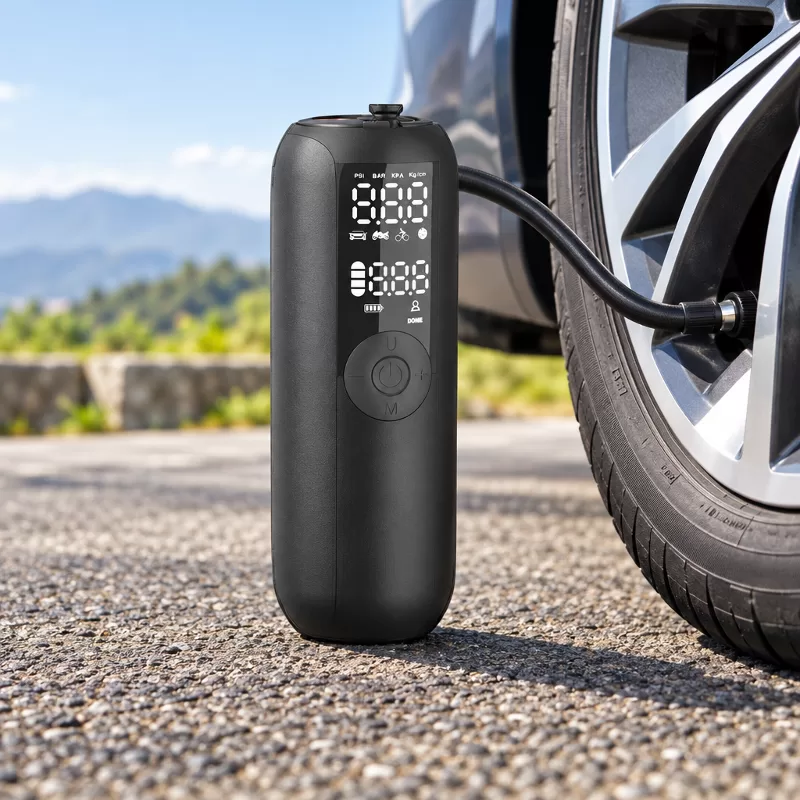
Practical Product Profile: Newo AP2-P Electric Inflator
For drivers seeking a practical realization of modern cordless inflation technology, the Newo AP2-P represents a versatile tool designed for diverse daily and emergency inflation demands. Newo describes itself as a manufacturer specializing in smart electric air pumps and portable inflation solutions, and this unit integrates multi-task convenience into a compact package.
Design Overview and Stated Multi-Task Capabilities
The AP2-P features a dark handheld housing weighing just 386 grams with compact dimensions of 42 by 62 by 154 millimeters, making it suitable for glove box or travel backpack storage. According to the product materials, it is equipped with five smart inflation presets—car, motorcycle, bicycle, ball, and customizable manual mode—allowing users to switch inflation routines with a single click.
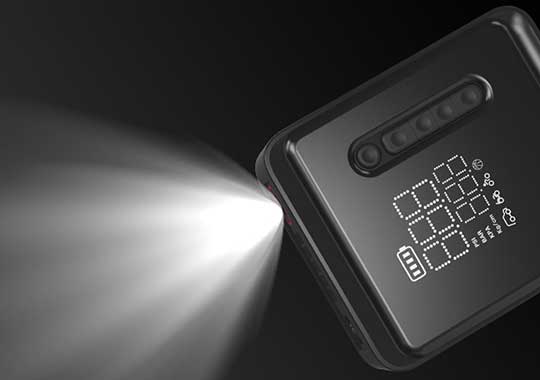
Beyond basic pneumatic duties, the AP2-P is stated to serve as a versatile travel companion. It incorporates an integrated LED emergency flashlight for dark roadside illumination and features a 5V/2A power-bank output via USB, allowing motorists to recharge depleted mobile phones during travel delays.
Core Engineering Specifications to Evaluate
The AP2-P specification sheet outlines capable mechanical attributes suited for passenger cars, light two-wheelers, and sports equipment across varied weather conditions.
- Pressure range coverage: Supports 0 to 150 PSI with versatile display toggling between PSI, BAR, KPA, and Kg/cm².
- Air throughput: The product specification lists 15 to 18 L/min powered by a 35-watt motor utilizing a 14-cylinder internal mechanical structure.
- Battery specifications: Employs a rechargeable lithium battery platform rated at 7.4V and 14.8Wh, supporting Type-C charging inputs.
- Continuous endurance: Stated runtime of 20 to 30 minutes, handling routine top-offs or roughly 10 to 15 bicycle fills per charge.
- Thermal and acoustic envelope: Features an internal cooling fan, operating noise under 85dB at 1 meter, and a working temperature range of -10°C to 45°C.
Product-Data Details Requiring Clarification
When reviewing technical documentation for precision devices, careful buyers should examine specification phrasing. In the official AP2-P materials, the battery capacity is noted as 2*2000mAh in feature highlights, while the technical specification table lists it as 2000mAh, 7.4V, 14.8Wh. The product materials list conflicting capacity figures, and the battery configuration needs confirmation from the manufacturer.
Additionally, the motor speed field lists a value of 1.5W rpm, which appears to be a typographical shorthand in the raw specification sheet rather than a standard rotational measurement. Drivers can refer to the listed 15 to 18 L/min airflow rating from the AP2-P product specification, though actual tire inflation speed will vary with tire size, starting pressure, and operating conditions.
Comparing Roadside and Garage Inflation Methods
Understanding how a portable air pump for car tires compares against alternative filling methods helps motorists organize an efficient vehicle safety kit. Different inflation solutions offer distinct tradeoffs in portability, power, and speed.
| Inflation Method | Power Dependency | Portability | Best Suited Scenario |
|---|---|---|---|
| Cordless Handheld Pump | Internal Rechargeable Battery | Exceptional (Pocket/Glove Box) | Routine tire balancing, bicycles, sports gear, roadside top-offs |
| 12V DC Vehicle Pump | Car Cigarette Lighter Socket | High (Trunk Storage) | Family road trips, larger SUV tires, continuous multicar top-offs |
| Commercial Gas Station Air | Grid Electrical Connection | Zero (Fixed Location) | Rapid inflation when station compressor is operational |
| Heavy Garage Compressor | Dedicated AC Outlet / Tank | Stationary (Workshop Only) | Tire mounting, seasonal wheel swaps, pneumatic tool operation |
Cordless Handheld Inflator vs. 12-Volt Wired Compressor
Cordless handheld pumps provide unmatched accessibility, allowing you to top off tires in tight parking spaces without running wires through vehicle interiors or leaving car doors open in the rain. Their compact footprint makes them natural additions to everyday emergency packs.
In contrast, dedicated 12V wired compressors often house slightly larger piston displacements, providing sustained air volume as long as the vehicle’s electrical system supports it and the pump’s duty cycle allows. However, their bulky cords and storage cases consume valuable trunk space, making quick checks feel more like a chore.
Handheld Inflator vs. Gas Station Air Towers
Commercial air towers at service stations deliver high flow rates, filling depleted tires quickly. Yet relying solely on gas station air can present practical inconveniences for conscientious vehicle owners.
Station air equipment may be out of order or require payment. More critically, driving several miles to reach a gas station heats up your tires, making it nearly impossible to set accurate cold pressures indicated on your vehicle placard.
Clear Boundaries: When Mechanical Repairs Are Required
While a dependable portable tire pump handles pressure maintenance well, it cannot replace mechanical vulcanization or tire replacement. An inflator can temporarily restore pressure only when the tire remains safely seated and the leak is minor; persistent leakage requires inspection and repair. Drivers should understand the boundaries of roadside equipment.
If a tire suffers sidewall cracking, rim separation, or structural distortion, stop driving immediately and mount your spare wheel or call professional recovery services. Tread punctures require professional inspection and proper repair procedures that seal both the injury channel and the inner liner.
Frequently Asked Questions (FAQs)
What PSI target should I dial into my portable car inflator?
Always program the exact target cold pressure indicated on the vehicle placard bonded to your driver-side door jamb or detailed in your owner manual. Never use the maximum pressure stamped on the tire sidewall, as that figure reflects the maximum structural rating of the tire rather than your car engineered driving specification.
Does a 150 PSI maximum rating mean the pump fills car tires faster?
No, maximum pressure indicates the highest backpressure the cylinder can overcome, not the speed of air delivery. Inflation speed depends on multiple factors including volumetric airflow (liters per minute), tire volume, starting pressure, and operating conditions. High-pressure ratings simply confirm that the internal mechanism can reach elevated pressures safely on smaller air chambers.
Can I rely entirely on automatic shut-off without manual checks?
The AP2-P product specification states the pump stops at the preset pressure. Verify pressure with a reliable tire-pressure gauge when accuracy matters, and periodic verification is recommended to guard against dirt buildup or calibration drift over time.
Will a compact cordless pump have enough power for four underinflated tires?
The number of car-tire top-offs per charge is not specified in the AP2-P materials and depends on tire size, starting pressure, and operating conditions. The listed capacity is about 10 to 15 bicycle tires per charge. For routine top-offs of a few PSI, a compact unit typically handles multiple wheels, though completely flat large tires may require recharging or cooling breaks.
Can a portable air pump fix a tire that has lost all pressure?
An inflator can re-establish driving pressure only if the puncture is tiny and the bead remains firmly seated on the rim. If the tire went flat from a severe cut, blown valve, or large puncture, air will escape as quickly as it enters, requiring a physical tire plug, spare tire swap, or tow service.
How often should car tire pressure be inspected and topped up?
Automotive safety authorities recommend inspecting tire pressures at least once a month and prior to setting out on long road trips. Performing regular cold inspections ensures minor seepage is corrected early, prolonging tread life and optimizing fuel economy.
Conclusion
A modern portable air pump for car tires represents an indispensable safety asset that shifts vehicle maintenance from an inconvenient chore to an accessible habit. Equipping your vehicle with an auto-shut-off cordless inflator can help with pressure checks and temporary top-offs, though it does not replace tire inspection or repair. By following manufacturer door placard specifications, practicing cold inflation protocols, and understanding the mechanical limits of your gear, you can maintain optimal rolling efficiency, protect valuable tires, and drive with confidence wherever your journeys lead.
-

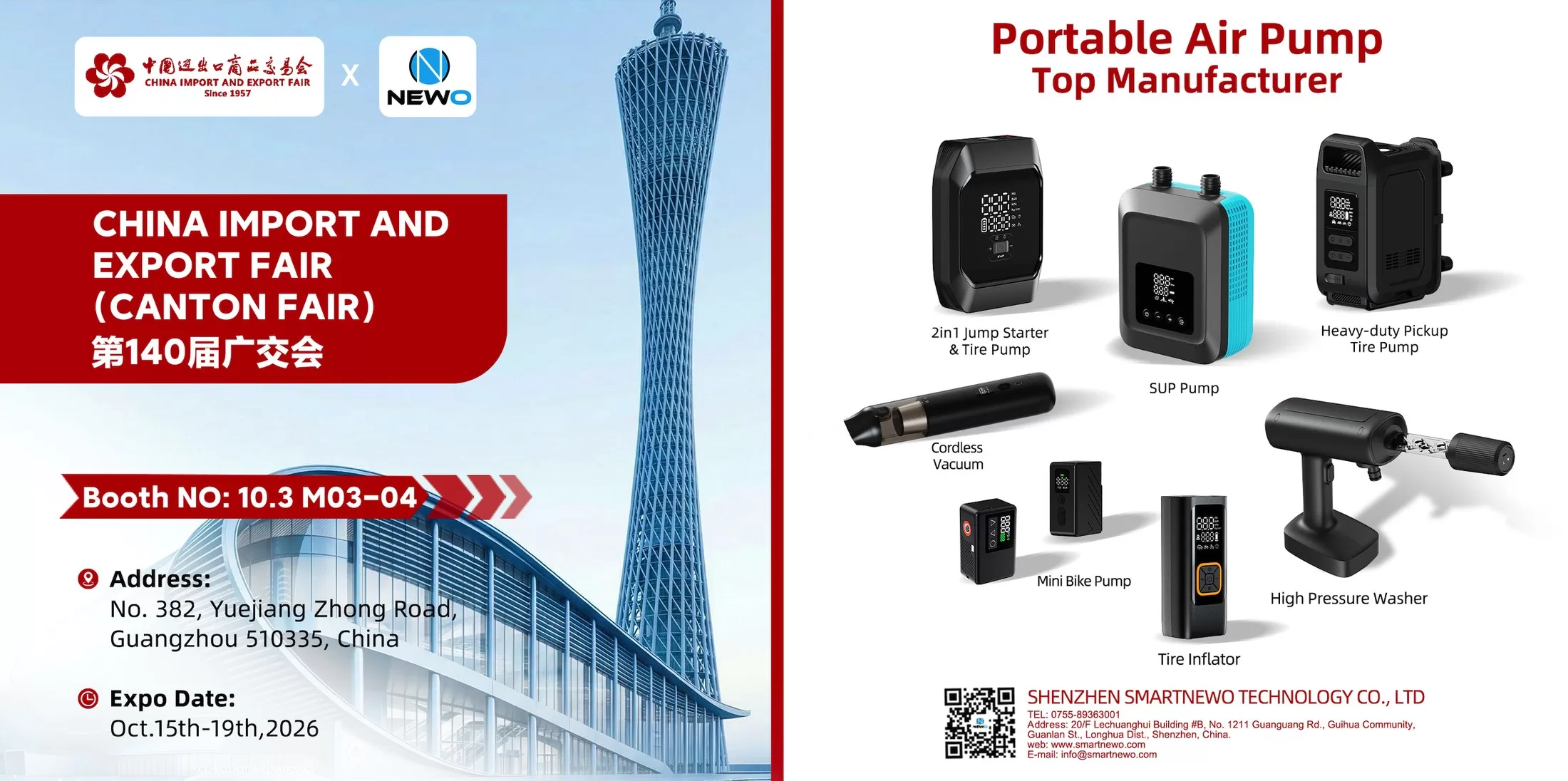
Meet NEWO at the 140th Canton Fair: Visit Booth 10.3 M03–04
Meet NEWO at the 140th Canton Fair in Guangzhou, October 15–19, 2026. Visit Booth 10.3 M03–04 to explore portable air pumps and discuss OEM, ODM and distribution opportunities.... -

As Shenzhen Welcomes the World for APEC 2026, NEWO Welcomes You to Our Factory
As Shenzhen prepares for APEC 2026, NEWO welcomes international buyers and partners to visit our factory, meet our team and explore future cooperation.... -

Leading the Way in Product Innovation and Excellence
Smartnewo exemplifies professionalism in product innovation and manufacturing. Their collaboration with Xiaomi Youpin on the G01 crowdfunding project highlights their expertise in creating compact, powerful inflatable pumps. Rigorous engineering, meticulous production processes, and advanced quality assurance underscore their commitment to excellence. The success of the G01 project, with significant market... -

Essential Qualities of an Excellent Supplier
In today's competitive market, finding a reliable supplier is crucial for business success. Based on insights from Smartnewo and broader internet research, here are key qualities an excellent supplier must possess:... -

NW06 Tire Inflator: Compact Power for Quick Inflation
Summary The NW06 Tire Inflator delivers quick and efficient tire inflation with a powerful 35L/min airflow. It features a user-friendly LCD screen for real-time pressure monitoring, dual power options with a built-in 6000mAh battery, and multiple nozzle attachments for versatile use. Its compact design and integrated LED light ensure convenience and... -

Unleash the Power of Portability: The SmartNewo Jump Starter with Air Compressor KF03
This guide will walk you through the steps to effectively use a portable tire inflator, helping you stay prepared and safe on the road.... -

Newo Attends The 2024 Consumer Electronics Show (CES)
Smartnewo booth is located at 53672, Halls A-D, Level 2, Venetian Expo, Las Vegas Convention Center (LVCC). ... -

Smartnewo’s Dual-Cylinder Air Pump Rocks the Hong Kong Autumn Electronics Fair!
Smartnewo’s Dual-Cylinder Air Pump Rocks the Hong Kong Autumn Electronics Fair!... -

Meet at the Canton Fair! Smartnewo brings dual-cylinder air pumps, making your inflation experience faster and more stable!
NEWO has went deep communication and negotiation with customers from all over the world on booth.... -

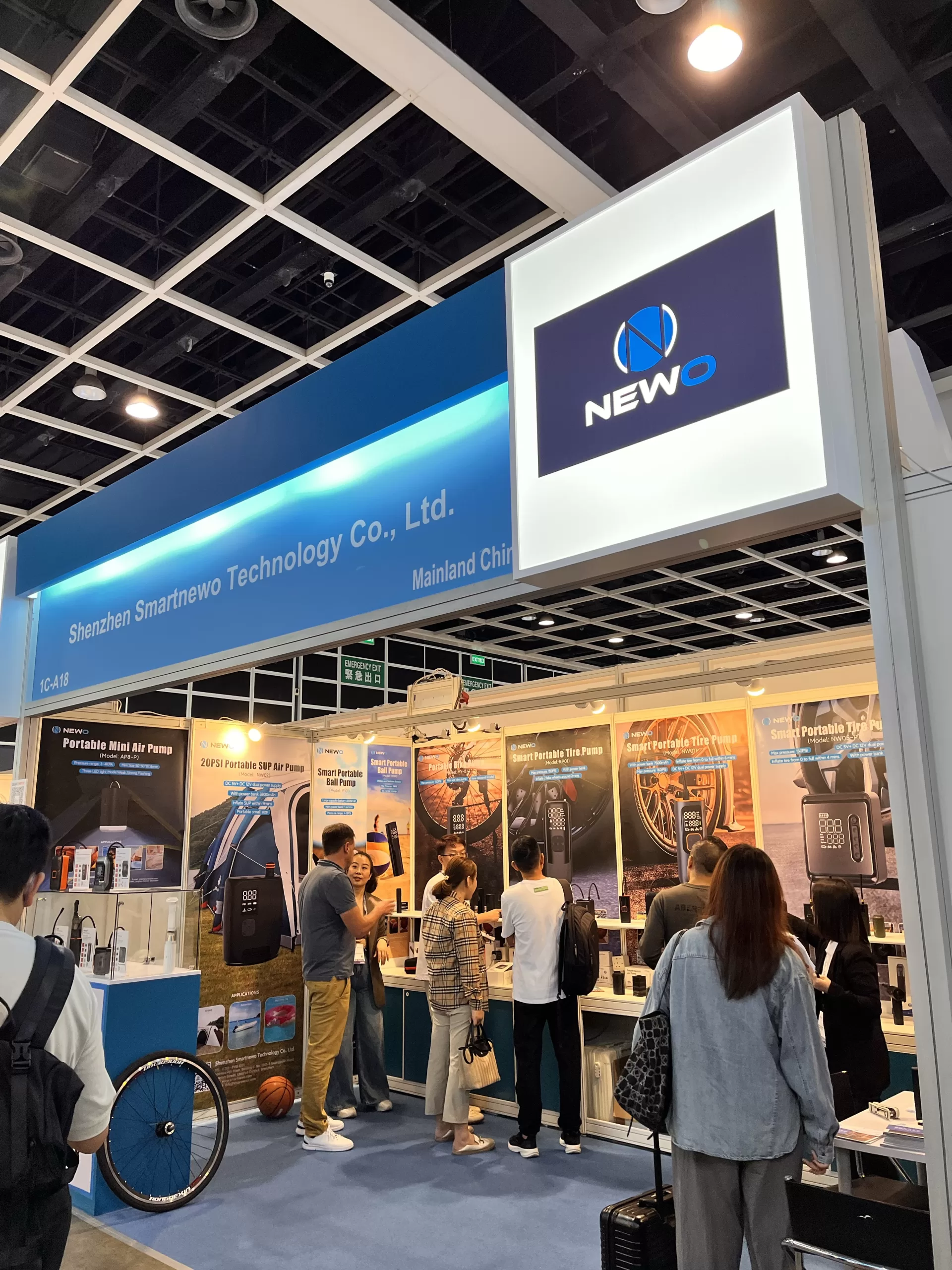
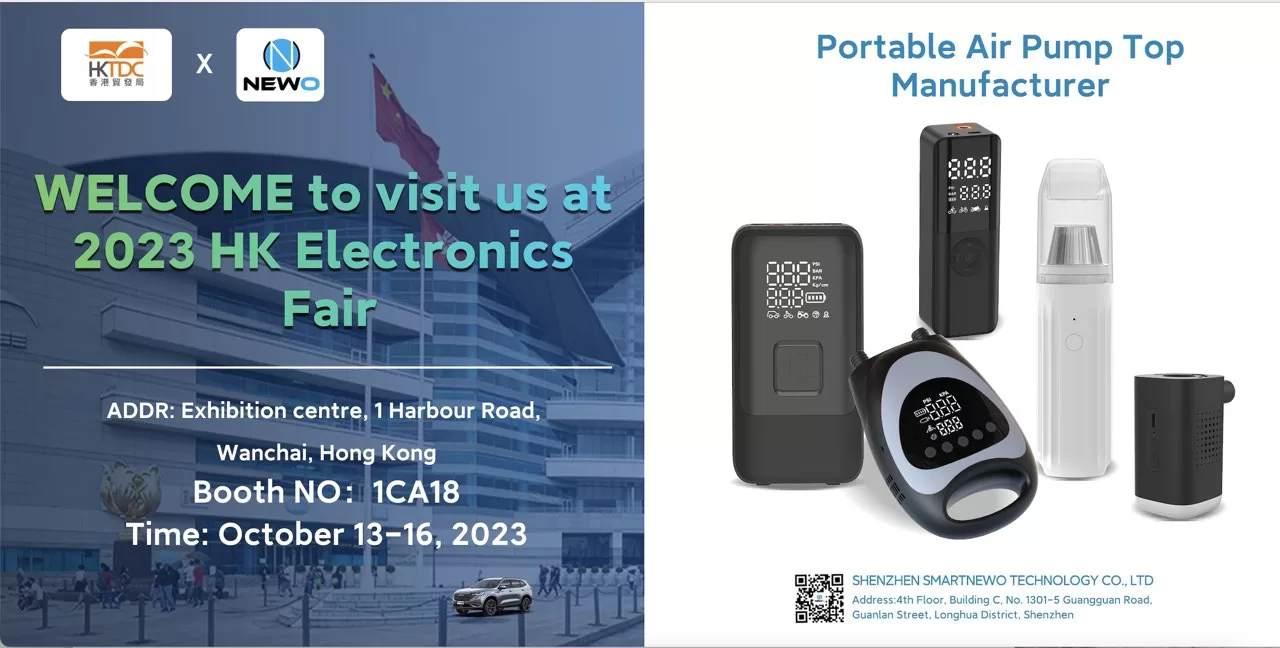
“Hong Kong Autumn Electronics Fair – 1CA18 (October 13th to 16th): Smartnewo invites you to visit our booth!
Hong Kong Autumn Electronics Fair...



-

What to Check Before Ordering Custom Electric Bike Pumps
Plan custom electric bike pumps with a clear requirements freeze for valves, TPU tubes, portability, repeated top-ups, charging, and model-specific documents.... -

OEM vs ODM Air Pumps: Which Manufacturing Model Fits Your Brand?
Compare OEM and ODM air pump projects by design responsibility, change approval, development scope, and written ownership terms before choosing your route.... -
How to Choose a Reliable Tire Inflator Manufacturer in China
Choose a tire inflator manufacturer in China with a focused RFQ, supplier evidence, configuration checks, and clear sample-to-pilot decisions for your brand.... -

Rechargeable Electric SUP Pump for Paddle Boards: Faster Inflation for SUPs, Kayaks and Inflatable Tents
The BL10-C Portable Electric Bike Tire Inflator is a compact and lightweight mini electric bike pump designed for modern cyclists. With up to 120 PSI pressure, a digital LED display, preset pressure control, automatic shut-off, USB-C charging, and multiple valve adapters, BL10-C offers a convenient inflation solution for road bikes,... -

Are Electric Bike Pumps Worth It in 2026? Electric Pump vs CO₂ vs Mini Hand Pump
Discover whether electric bike pumps are worth it in 2026. This guide compares electric bike pumps, CO₂ inflators, and mini hand pumps for road cycling, gravel riding, commuting, and long-distance rides. Learn the pros, limitations, best use cases, and key features to look for before choosing the right portable tire... -
BL10-C Portable Electric Bike Tire Inflator: Small Size, Reliable Power for Every Ride
The BL10-C Portable Electric Bike Tire Inflator is a compact and lightweight mini electric bike pump designed for modern cyclists. With up to 120 PSI pressure, a digital LED display, preset pressure control, automatic shut-off, USB-C charging, and multiple valve adapters, BL10-C offers a convenient inflation solution for road bikes,... -

Why Mini Electric Bike Pumps Are Becoming Essential for Modern Cycling
Discover why mini electric bike pumps are becoming essential for modern cyclists. Learn how portable electric bike pumps improve tire pressure management, riding safety, and convenience.... -

The Ultimate Smart Solution for Easy Outdoor Adventures in 2026
Discover how a spring travel air pump simplifies outdoor trips with fast inflation, smart features, and powerful performance—perfect for every adventure.... -

Powerful 5-in-1 Portable Car Tire Inflator and Jump Starter: The Ultimate Emergency Tool for Every Driver
Why Every Driver Needs a Portable Car Tire Inflator and Jump Starter Modern drivers face many unexpected situations on the road. A flat tire, low tire pressure, or a dead car battery can happen at the worst possible time. That’s why having a portable car tire inflator and jump starter is... -

7 Real Cycling Scenarios That Show Why Every Rider Should Carry a Mini Bike Pump
Cycling is one of the most freeing activities you can enjoy. Whether you’re commuting to work, riding through city streets, or exploring quiet countryside roads, a bike ride can instantly improve your day. But there’s one small problem that almost every cyclist eventually faces: Low tire pressure. It might happen...



-
How Is a Football Properly Inflated?
The correct inflation of a football - with not too much and not too little air - is a hotly debated topic among footballers.... -
Application Scenarios of Car Inflator Pump
Often long-distance business trips or play car owners because the road may be more remote areas, in this case if you encounter a tire leak....