
 Portable Tire Inflators
 Electric Air Pumps
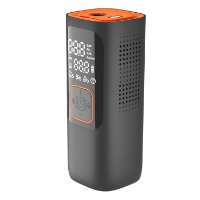 Electric Car Tyre Pumps
 Electric Ball Pumps
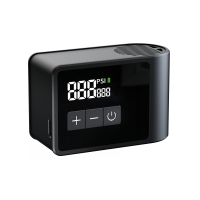 Electric Bike Pump
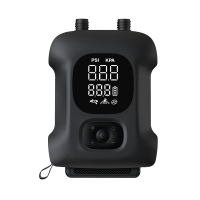 SUP Air Pump

Portable Air Pump Guide: How to Select, Operate, and Maintain Compact Inflators
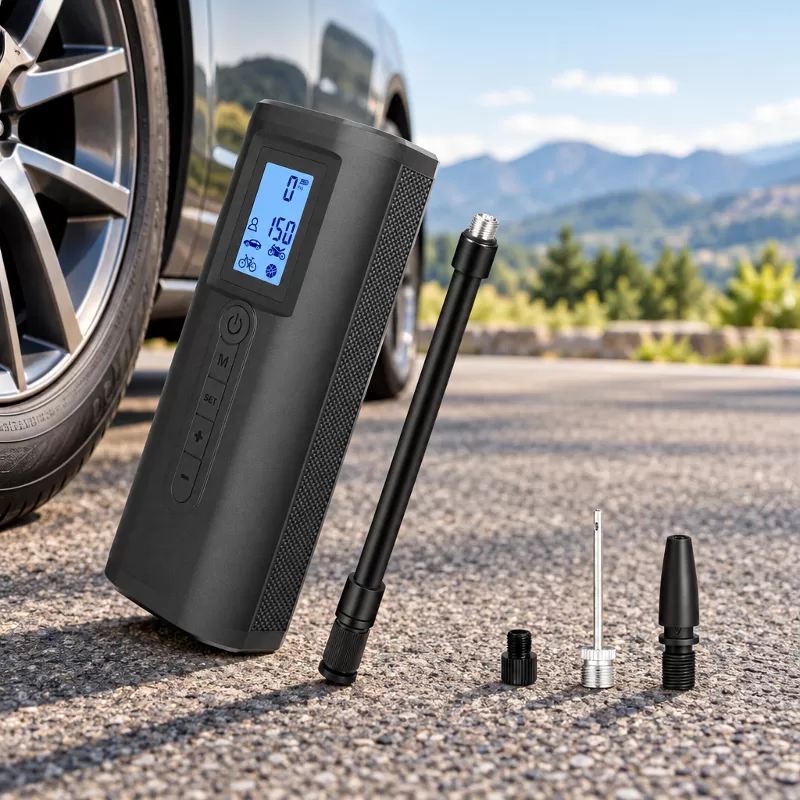
A dependable portable air pump transforms sudden roadside tire pressure drops from dangerous disruptions into brief, manageable stops. Whether maintaining bicycle tires along a remote trail or adjusting automotive tire pressures before a long road trip, having an immediate pneumatic source prevents rim damage, uneven tread wear, and severe fuel inefficiency. The modern portable air pump market has evolved far beyond cumbersome manual pumps and noisy direct-drive hardware. Drivers and cyclists now expect compact battery-powered inflators that deliver rapid compression, accurate digital readouts, and dependable automatic shut-off functionality right in the palm of their hand.
Selecting the right inflation tool requires looking past decorative exterior housings to evaluate functional mechanical engineering. Cylinder diameter, motor wattage, heat dissipation geometry, and battery stability dictate whether a handheld inflator can top off passenger car tires or simply overheat after two minutes. Understanding how pneumatic pressure relates to airflow volume helps buyers choose equipment suited to their specific vehicles and recreational gear.
Understanding Portable Air Pump Technology and Mechanics
High-Pressure Inflators Versus High-Volume Air Pumps
A fundamental distinction exists between high-pressure tire inflators and high-volume utility pumps. Many compact tire inflators use a piston-based compressor, trading volumetric displacement for the mechanical leverage needed to push air into stiff rubber casings against 30 to 120 pounds per square inch. This concentrated pneumatic action produces significant resistance, demanding durable mechanical components and heat-resistant construction.
Conversely, high-volume air pumps target low-pressure applications such as inflatable kayaks, air mattresses, and pool loungers. These devices move large volumes of ambient air per minute but are typically designed for pressures well below those required for automotive tires. Many low-pressure utility pumps are not designed for efficient automotive-tire inflation, while compact high-pressure inflators may be inefficient for large-volume inflatables. Check the pump’s intended application, pressure rating, airflow, and duty-cycle limits.
Who Needs a Dedicated Portable Tire Inflator?
Seasonal temperature changes can make low-pressure warnings more noticeable because tire pressure changes as ambient temperature changes. Tire pressure changes with temperature; a commonly used rule of thumb is approximately 1 PSI for every 12°F change, although the exact change varies. Drivers who keep a portable air pump in their vehicle can respond to low-pressure warnings without first locating a service-station compressor, which frequently suffers from broken pressure gauges or cut airline hoses.
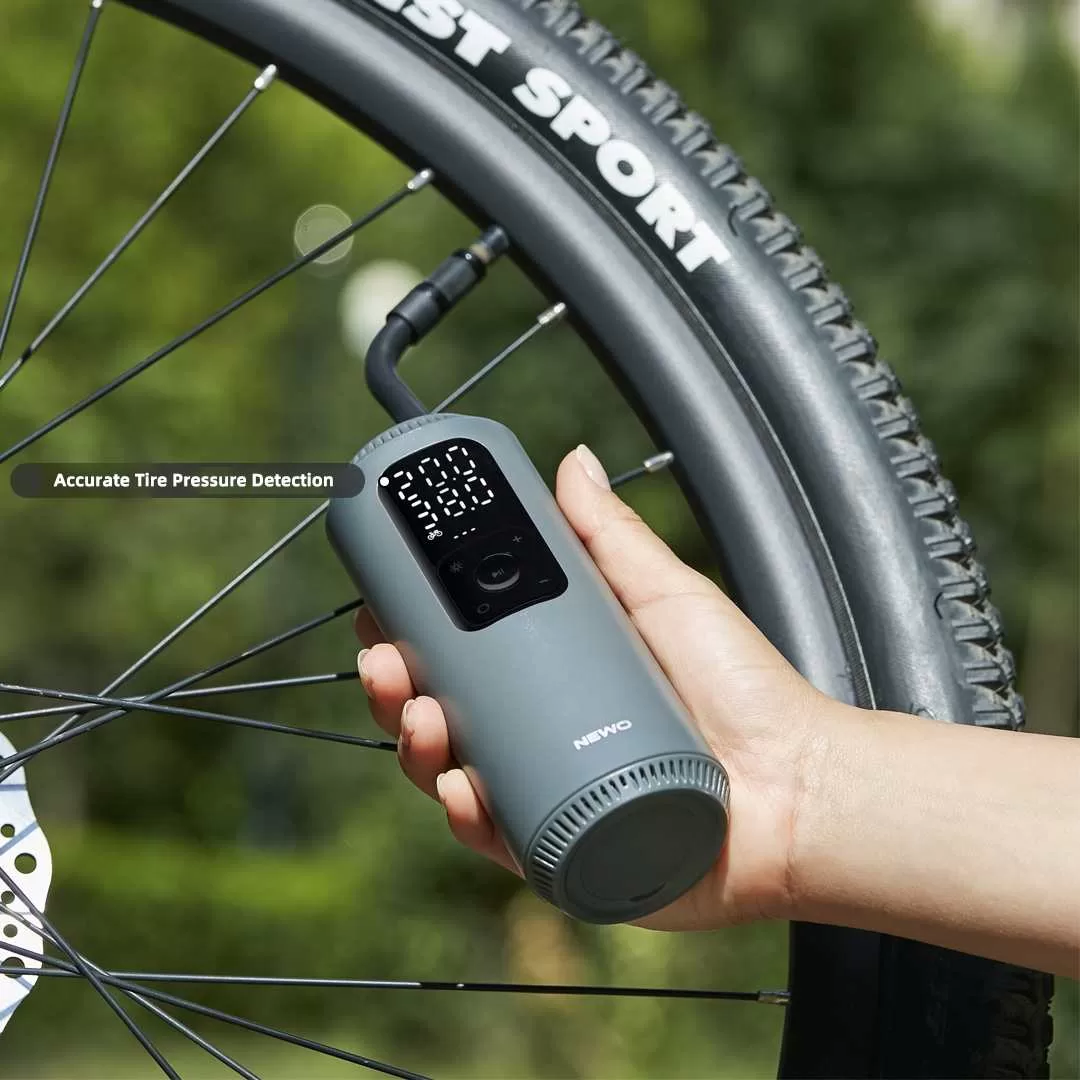
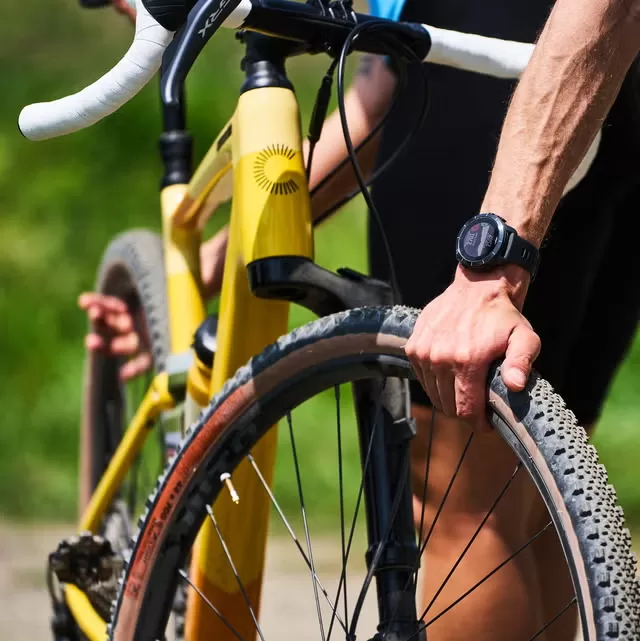
Cyclists and gravel bike riders experience distinct inflation challenges across varied terrains. Lowering tire pressures provides necessary traction on loose gravel or muddy trails, yet returning to paved roads demands higher pressure to reduce rolling resistance and shield rims against pinch flats. Carrying a compact cordless electric inflator enables mid-ride pressure adjustments without the exhausting physical effort demanded by pocket-sized manual hand pumps.
Essential Criteria for Selecting a Portable Air Pump
Pressure Capacity and Real-World Airflow Rates
Manufacturers often emphasize peak theoretical pressure ratings on product packaging, yet a maximum rating of 150 PSI reveals little about how quickly a device inflates a typical tire. Real-world performance depends heavily on volumetric airflow, measured in liters per minute. Inflation time varies considerably with tire size, starting pressure, and valve type.
When evaluating airflow ratings, match the pump output to your most frequent inflation task. Compact handheld inflators generally prioritize portable dimensions and moderate battery draw. Note that airflow ratings are not directly comparable unless tested under the same conditions, and actual inflation performance depends on the specific application and operating environment.
Power Architecture: Rechargeable Lithium Versus 12V DC
Power supply design directly shapes user convenience and working duration. Cordless inflators draw power from integrated lithium-ion cells, eliminating trailing cords and granting total freedom of movement around bicycles, sports courts, and trailers. However, lithium cells self-discharge over months of storage and experience reduced discharge efficiency in sub-zero winter conditions.
Inflators that draw power through the vehicle’s 12V outlet provide an alternative power source. Users should consult the vehicle manual to confirm outlet power availability and current limits, and follow both the vehicle and pump manufacturer’s operating instructions. The disadvantage lies in managing a long power cord, which can tangle in wet weather, snag on dirty body panels, and struggle to reach rear trailer tires unless extended cords are purchased.
Thermal Management, Cylinder Sizing, and Noise Ratings
Compressing atmospheric air generates heat. Continuous operation capability and cooling requirements vary by model, so users should follow the manufacturer’s operating instructions and duty-cycle limits. Allow the unit to cool if it becomes excessively hot during use.
Handheld inflators generate acoustic noise during operation. Well-designed housings help minimize vibration when the unit rests against surfaces. Always check the manufacturer’s noise rating and consider the operating environment when selecting an inflator.
Valve Compatibility and Adapter Attachments
A versatile inflator must interface with several valve standards across automotive and recreational equipment. Schrader valves are commonly used across automotive tires, light trucks, motorcycles, and many bicycles. Modern road bicycles, gravel setups, and premium mountain bikes may utilize the narrower Presta valve, which features an integrated threaded locknut.
Before purchasing an inflator, verify that it includes or supports adapters for your specific valve types. Confirm that the included adapters match the Schrader, Presta, ball, or inflatable-item valves you need. The AP2-P product information specifies three adapters but does not identify their materials or every compatible valve format.
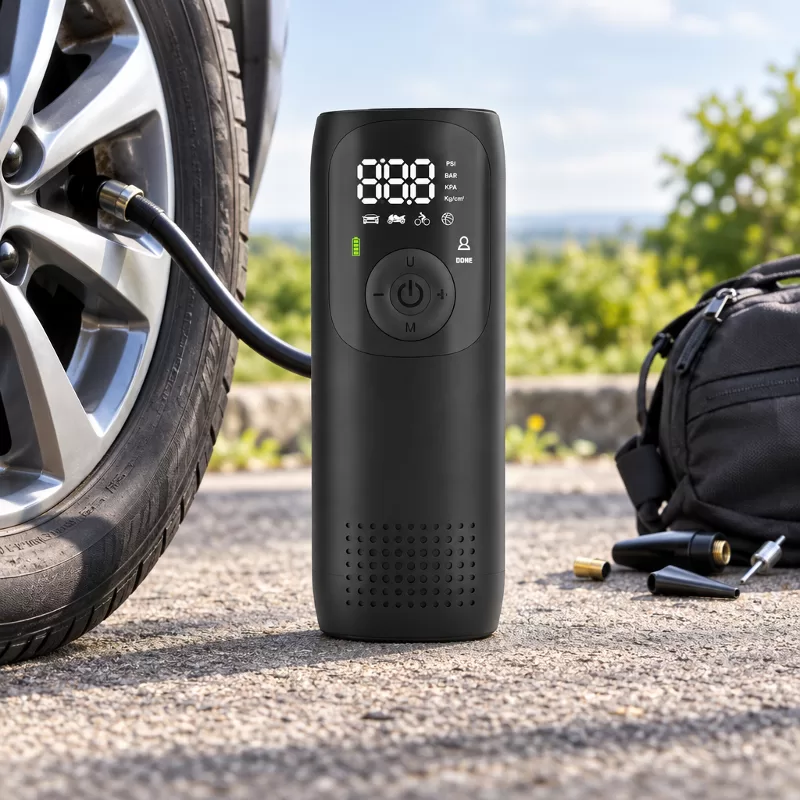
Comparing Portable Inflator Categories
Cordless Rechargeable Electric Inflators
Cordless electric inflators represent a popular category for personal commuting and emergency travel. Built with internal lithium batteries, these handheld devices integrate digital pressure sensors, illuminated screens, and automated shut-off logic into a body roughly the size of a water flask. They tuck into backpack side pockets or motorcycle saddlebags effortlessly. Their operational window remains governed by battery reserve and thermal heat dissipation. Battery capacity and actual inflation performance vary significantly by model, tire size, starting pressure, and operating conditions. Always consult the manufacturer’s specifications for expected runtime and inflation capacity.
12V DC Plug-In Vehicle Inflators
Traditional 12V DC tire compressors remain a staple for long-distance highway driving and truck travel. These units draw power through the vehicle’s 12V outlet, allowing extended operation when the vehicle electrical system can supply adequate current. Their form factor tends to be bulkier and heavier than cordless handheld models. Storing a 12V unit requires packing a coiled power cord, air hose, and cigarette lighter adapter into trunk storage wells. These units cannot service standalone bicycles or outdoor equipment unless positioned within cord distance of an active vehicle power outlet.
Manual Floor Pumps and Mini Hand Pumps
Manual floor pumps and frame-mounted hand pumps rely entirely on human muscle power, making them invulnerable to dead batteries, blown fuses, or motor burnouts. Floor pumps designed for bicycle use can achieve high pressures for road and mountain bike tires when used on stable surfaces.
However, manually inflating an automotive tire with a compact hand pump represents an exhausting physical undertaking. Hand pumps also lack built-in pressure shut-off mechanisms and illuminated digital displays, making accurate nighttime pressure adjustments difficult.
| Inflator Category | Primary Power Source | Portability | Best Suited Usage Scenario |
|---|---|---|---|
| Cordless Electric | Internal Lithium Battery | Highly portable, fits in bags | Daily commuting, cycling, emergency roadside use |
| 12V Direct Current | Vehicle 12V Outlet | Requires vehicle connection | Long road trips, multi-tire maintenance in vehicle |
| Manual Floor Pump | Human Mechanical Force | Stationary, garage use | Home workshop bicycle tuning, tire seating |
| Manual Mini Pump | Hand Pocket Force | Extremely portable | Emergency bikepacking, roadside puncture repair |
Step-by-Step Tire Inflation and Safety Protocols
Locating Recommended Cold Tire Pressure
Safe tire inflation begins with finding the exact cold tire pressure specified by the automobile manufacturer. Never inflate passenger vehicle tires to the maximum pressure stamped along the outer tire sidewall. Sidewall markings state the absolute maximum mechanical pressure the rubber casing can contain under maximum rated load, not the engineered pressure for vehicle handling, braking, and ride comfort.
Check the tire and loading information label on the driver-side door jamb or door edge, or consult the owner’s manual. This label defines recommended cold tire pressures for both front and rear axles. A tire is considered cold when the vehicle has not been driven for at least three hours, or has been driven less than one mile during that period.
Step-by-Step Inflation Procedure
Following a systematic sequence prevents air leakage, safeguards sensitive valve stems, and guarantees accurate digital pressure management.
- Remove the protective plastic dust cap from the tire valve stem and check the valve threads for grit or corrosion.
- Thread or clamp the air hose chuck securely onto the valve stem, listening closely to confirm no air hisses past the fitting.
- Power on the inflator to read the current static tire pressure displayed on the digital LCD screen.
- Select your required measurement unit (PSI, BAR, or KPA) and adjust the target pressure setting using the plus or minus buttons.
- Initiate the compressor motor and allow the device to run without pulling or bending the air hose connection.
- Monitor the process as the compressor reaches the target pressure and automatically halts operation.
- Disconnect the air chuck briskly to minimize escaped pressure, inspect the valve, and reinstall the dust cap.
Handling Heat and Duty Cycles During Operation
Compressing atmospheric gas generates thermal energy that transfers into the brass hose connector, air hose rubber, and pump housing. The hose fitting and housing may become hot during extended operation; allow the unit to cool and follow the manufacturer’s operating instructions. Always grasp the textured hose insulation rather than exposed metal connectors when unthreading the hose.
If multiple automobile tires require substantial pressure adjustments, provide cooling intervals between tires. Giving the internal components time to dissipate heat extends internal component longevity and keeps pressure transducer readings stable.
Real-World Product Analysis: Newo AP2-P Cordless Tire Inflator
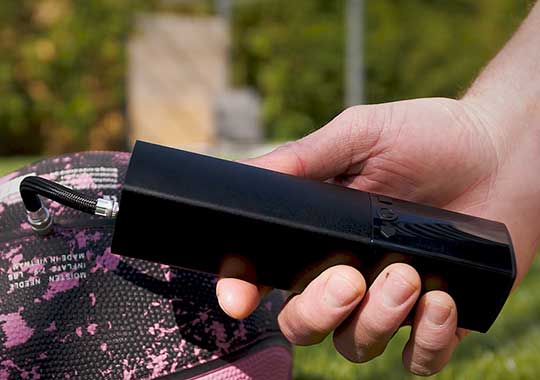
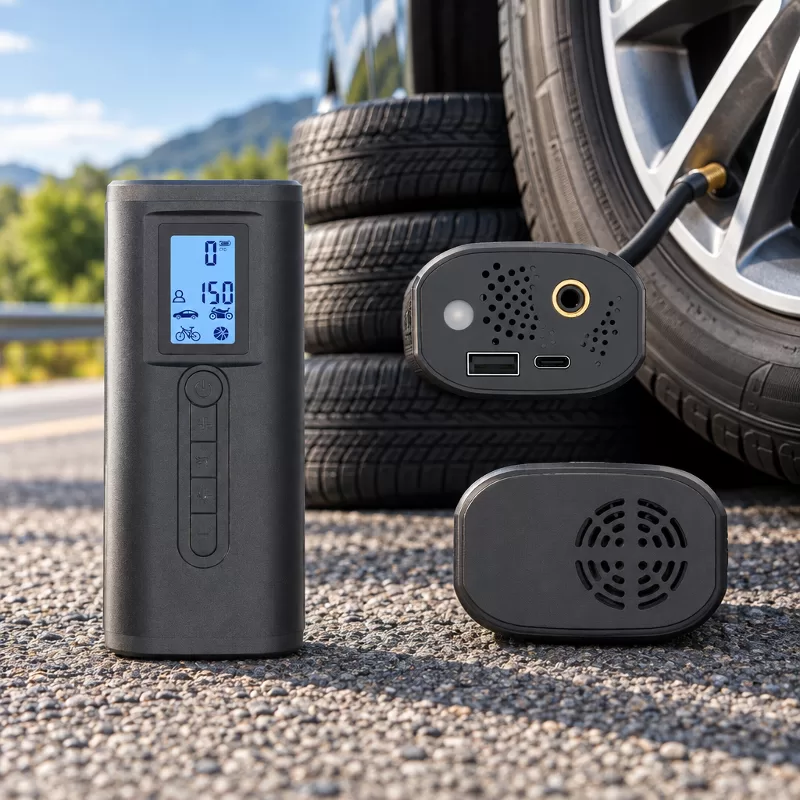
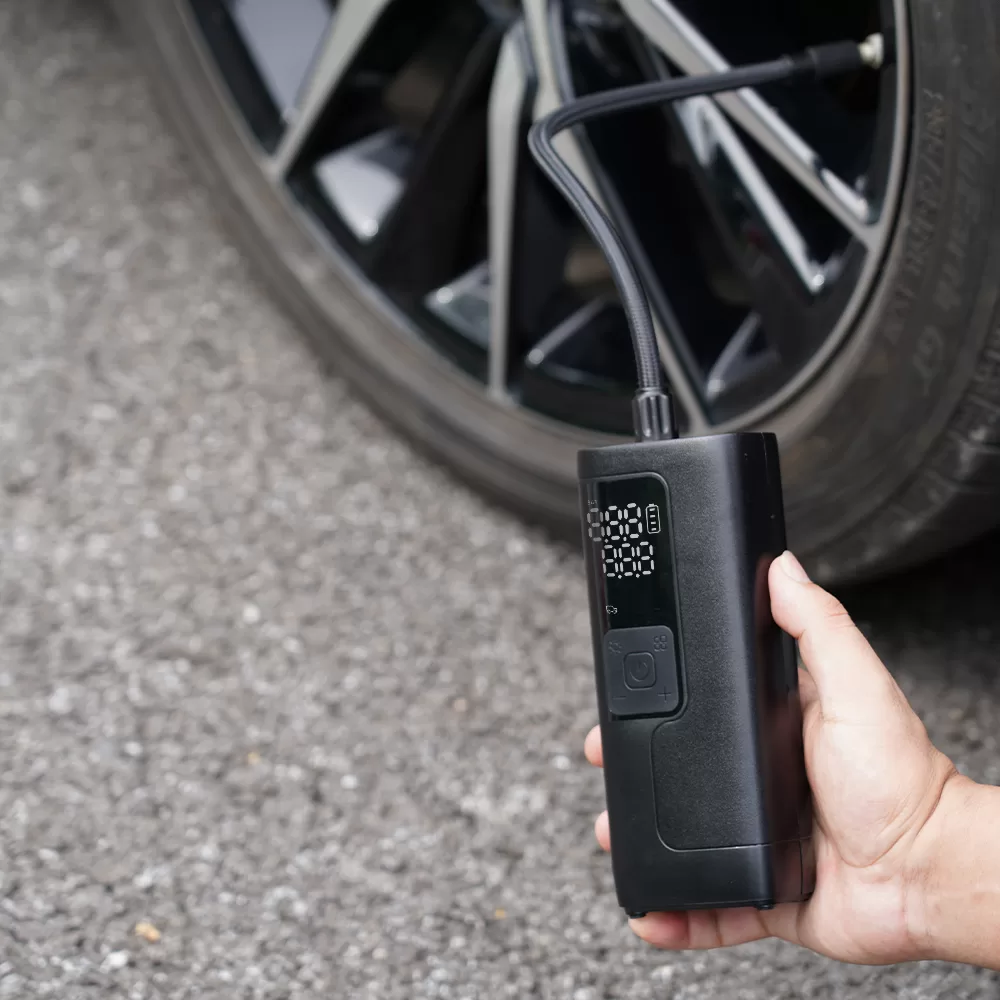
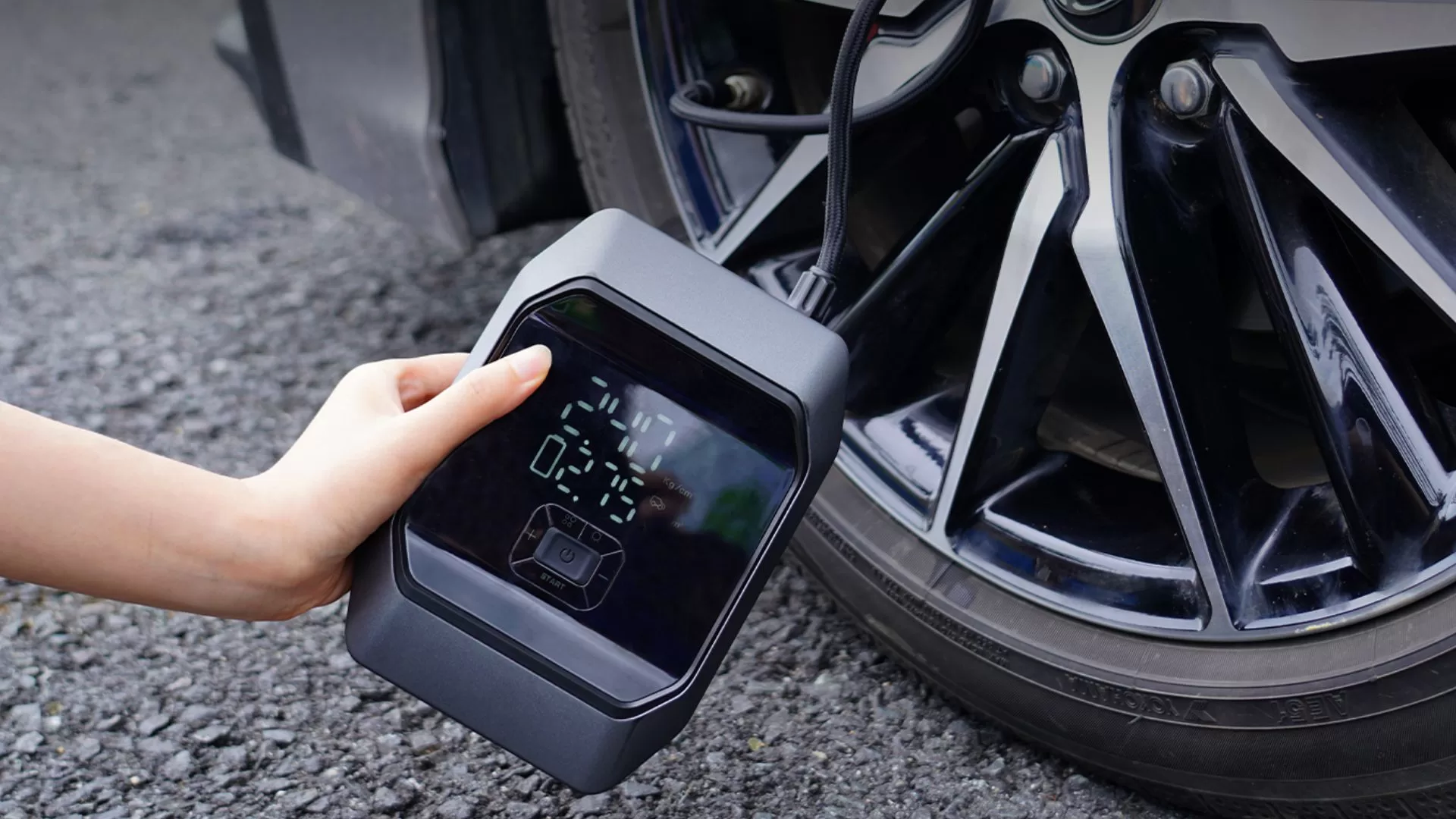
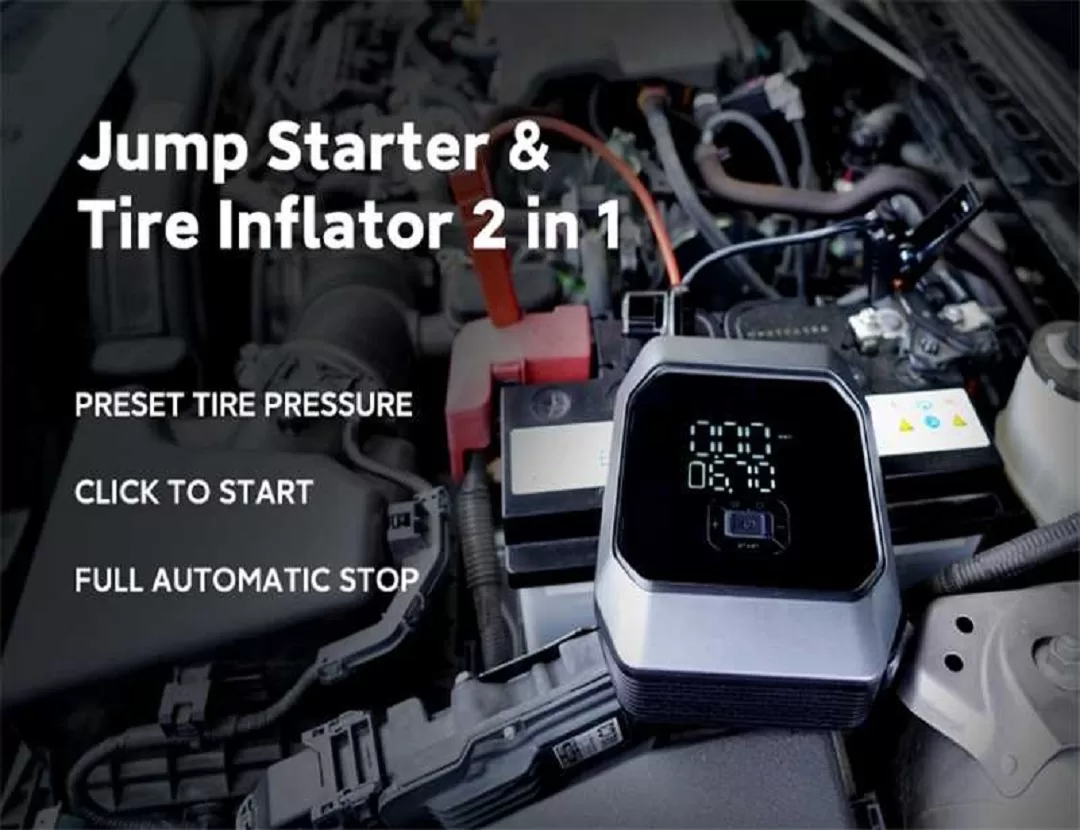
For readers evaluating dedicated handheld hardware, examining a practical model illustrates how technical specifications correspond to real-world performance. Newo specializes in smart electric air pumps and portable pneumatic technology, designing hardware to resolve common roadside pressure challenges. The AP2-P compact cordless tire inflator exemplifies modern portable inflator design, packing pressure presets, digital controls, and internal lithium power into a clean handheld housing.
Core Capabilities and Multi-Scenario Modes
The AP2-P provides adjustable pressure ranges up to 150 PSI, accommodating low-pressure recreational items as well as high-pressure bicycle road tires. The system incorporates five distinct inflation modes labeled as car, motorcycle, bicycle, ball, and custom. Users should follow the tire, vehicle, ball, or equipment manufacturer’s recommended pressure when selecting a target setting, and verify that the included adapters are compatible with the specific valve type.
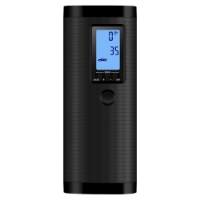
An integrated automatic shut-off feature monitors the measured pressure and stops inflation when the selected target is reached. Automatic shut-off can help reduce the risk of overinflation when the correct target pressure is selected, but users should still follow the equipment manufacturer’s pressure limit. A backlit LCD display presents both measured and preset values simultaneously alongside real-time battery status and active units (PSI, BAR, KPA, or Kg/cm²).
Technical Specifications and Engineering Output
Underneath its dark matte plastic chassis, the AP2-P is driven by a 35W motor. The supplied specification lists the cylinder size as "14 Cylinder"; the manufacturer does not clearly define this value, so it should not be interpreted as a fourteen-cylinder mechanism. The manufacturer lists an airflow of 15 to 18 liters per minute; actual inflation performance depends on the load, operating conditions, and tire characteristics.
The device measures 42 by 62 by 154 millimeters and weighs 386 grams. Operating acoustic output is manufacturer-rated at ≤85 dB at 1 meter. Internal cooling vents and an integrated fan help manage heat buildup across ambient working temperatures ranging from -10°C to 45°C.
Battery Configuration, Power-Bank Output, and Lighting
The official specification table lists a 2000 mAh, 7.4 V battery rated at 14.8 Wh; the source materials describe the cell configuration inconsistently, so the cell count should be confirmed with the manufacturer. The manufacturer states this battery reserve delivers between 20 and 30 minutes of continuous runtime per charge, equating to roughly 10 to 15 full bicycle tire inflations under the manufacturer’s test conditions.
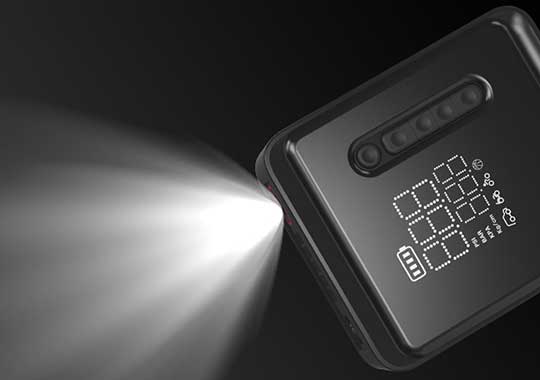
Recharging takes 2 to 3 hours via a standard 5V/2A Type-C port, allowing users to recharge the inflator using vehicle USB outlets, phone adapters, or power banks. The manufacturer lists a 5V/2A USB power-bank output, which may provide emergency charging for compatible devices. An integrated LED light positioned on the top plate illuminates dark valve stems when working along nighttime highways.
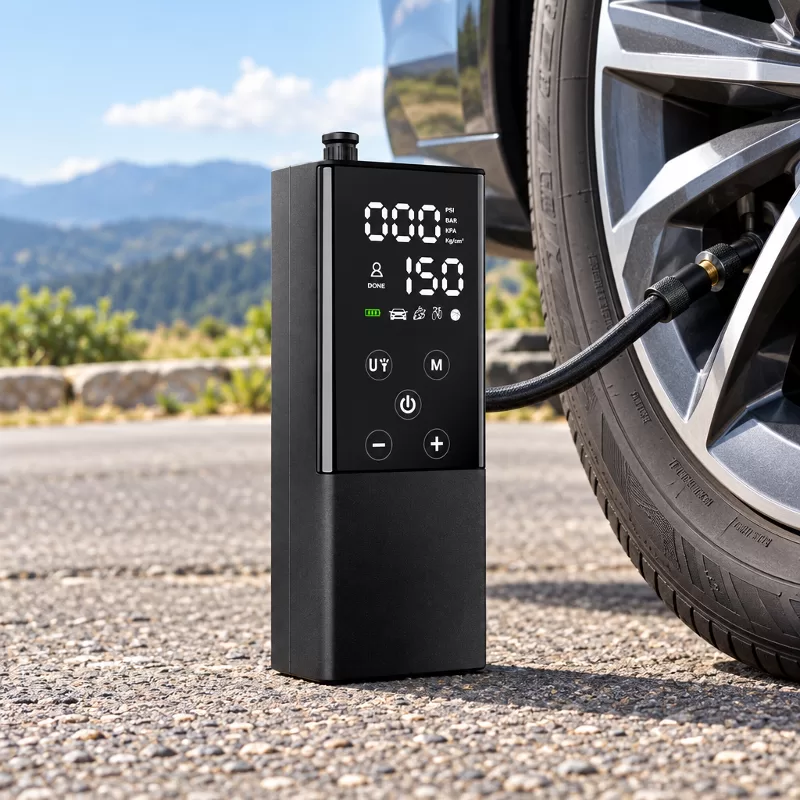
Practical Mistakes to Avoid When Operating Portable Air Pumps
Prioritizing Maximum PSI Over Volumetric Flow
Many consumers mistakenly equate a high maximum pressure rating with rapid inflation speed. A pump advertised at 150 PSI simply has internal mechanical tolerances capable of pushing against that pressure barrier; it does not mean the pump moves air rapidly. When shopping for passenger car maintenance, compare inflation time data or working-cycle specifications provided by the manufacturer under comparable test conditions rather than relying solely on maximum pressure ratings.
Disregarding Duty Cycle Limits and Thermal Accumulation
Compact air pumps cannot run indefinitely. Continuous compression generates internal heat. Follow the manufacturer’s stated continuous-working limit and stop the unit if it becomes excessively hot. For the AP2-P, the supplied specification lists continuous working time of up to 30 minutes. This operational guidance preserves the mechanical tolerances of internal components and prevents motor burnout.
Measuring Warm Tires and Expecting Cold Specifications
Failing to account for tire temperature during pressure checks causes widespread inflation errors. Driving causes tire flexing and heat buildup, which can raise the measured pressure above the cold baseline. Inflating or deflating tires immediately after a high-speed commute leads to underinflated tires once the rubber cools back down to ambient levels.
Always check and adjust pressures when tires have rested for at least three hours. If a warm tire is low, add air to the vehicle manufacturer’s recommended pressure as a temporary measure, then recheck and adjust the pressure when the tire is cold. Do not apply a fixed pressure addition unless the vehicle manufacturer specifically instructs you to do so.
Frequently Asked Questions (FAQs)
Can a portable air pump seat a completely flat tubeless tire?
A compact electric inflator easily inflates a flat tire if the tire bead remains firmly seated against the wheel rim flange. However, if a tubeless tire has detached completely from the wheel rim, a handheld pump may not supply enough instantaneous airflow to snap the rubber bead back onto the rim. Use a suitable compressor or tire-booster system when the bead will not seat, following the tire and rim manufacturer’s instructions.
What is the mechanical difference between Schrader and Presta valves?
Schrader valves feature a wider, reinforced brass stem housing an internal spring-loaded pin that seals automatically. Depressing the center pin opens the airway, which makes Schrader stems commonly used across automobiles, motorcycles, and many commuter bicycles. Presta valves are narrower and use a small threaded valve pin that must be loosened before inflation; the external locknut helps secure the valve stem to the rim.
How frequently should vehicle tire pressures be checked?
The National Highway Traffic Safety Administration recommends inspecting tire pressure at least once every month, in addition to checking all tires prior to embarking on long highway trips. TPMS warnings generally indicate significant underinflation, but the threshold varies by vehicle. Do not rely on the warning light as a substitute for monthly pressure checks. Relying solely on dashboard warning lights leaves tires underinflated for weeks, leading to accelerated shoulder wear and decreased fuel economy.
How does sub-freezing winter weather impact battery-powered inflators?
Cold temperatures can reduce the available performance of lithium-ion batteries. Follow the manufacturer’s storage and operating-temperature guidance. The AP2-P lists an operating temperature range of -10°C to 45°C according to the manufacturer’s specifications. For optimal reliability in cold weather, store cordless inflators according to the manufacturer’s instructions.
Does automatic shut-off eliminate the need for a standalone tire pressure gauge?
A digital inflator can display pressure and stop at a selected target, but the supplied specifications do not establish its measurement accuracy. Periodically compare its reading with a trusted standalone gauge. Standalone gauges verify that dirt, hose wear, or mechanical shocks have not shifted the inflator’s internal sensor calibration.
Conclusion
A modern portable air pump serves as an indispensable tool for vehicle safety, commuter reliability, and recreational tire maintenance. Selecting an inflator that balances adequate airflow delivery, dependable thermal management, and intuitive digital auto-stop logic protects tires against underinflation while eliminating stressful gas station detours. By pairing regular monthly pressure checks with a capable portable air pump, drivers and cyclists maintain optimal road grip, preserve tread life, and travel with peace of mind across every mile.
-

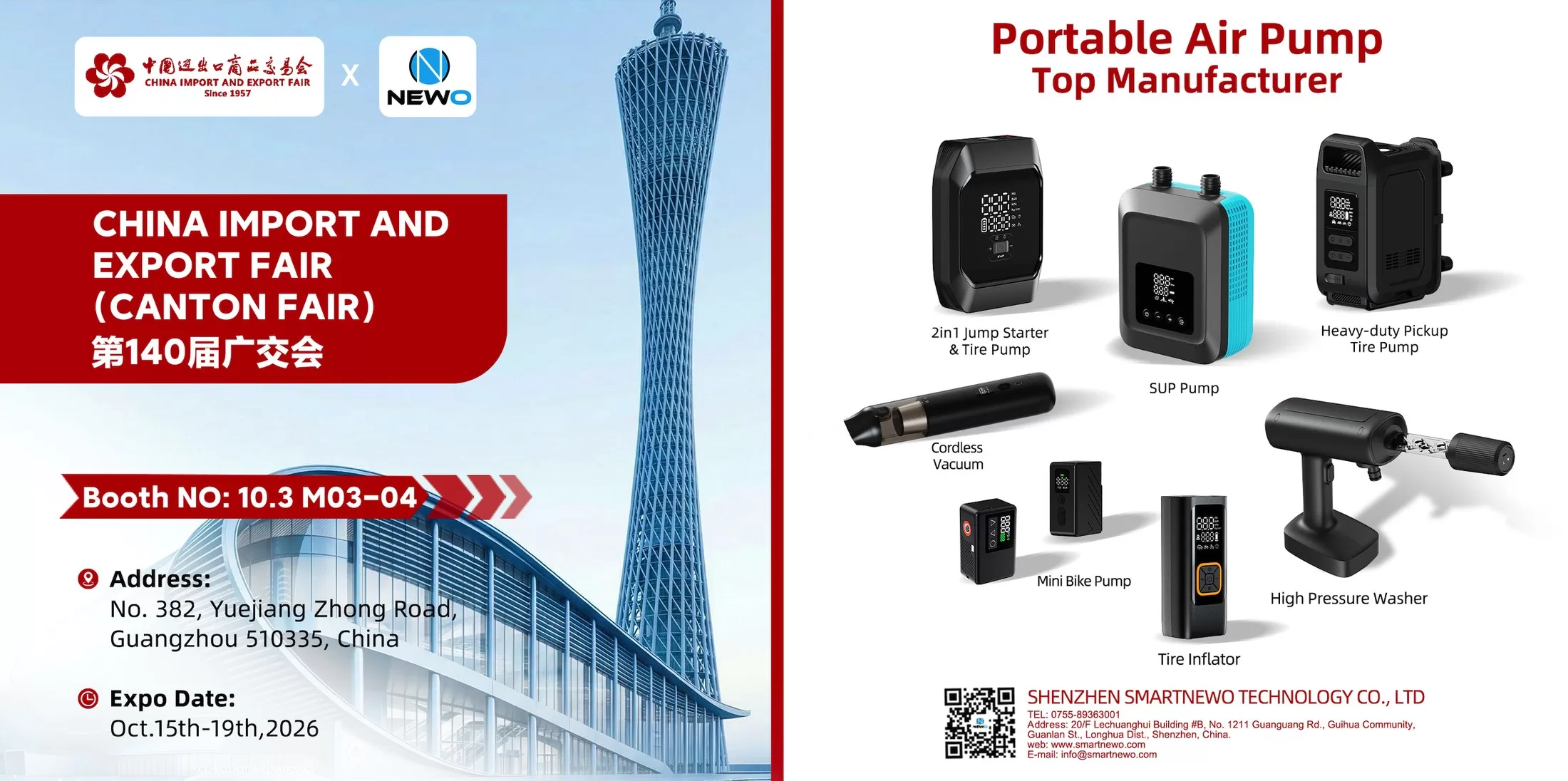
Meet NEWO at the 140th Canton Fair: Visit Booth 10.3 M03–04
Meet NEWO at the 140th Canton Fair in Guangzhou, October 15–19, 2026. Visit Booth 10.3 M03–04 to explore portable air pumps and discuss OEM, ODM and distribution opportunities.... -

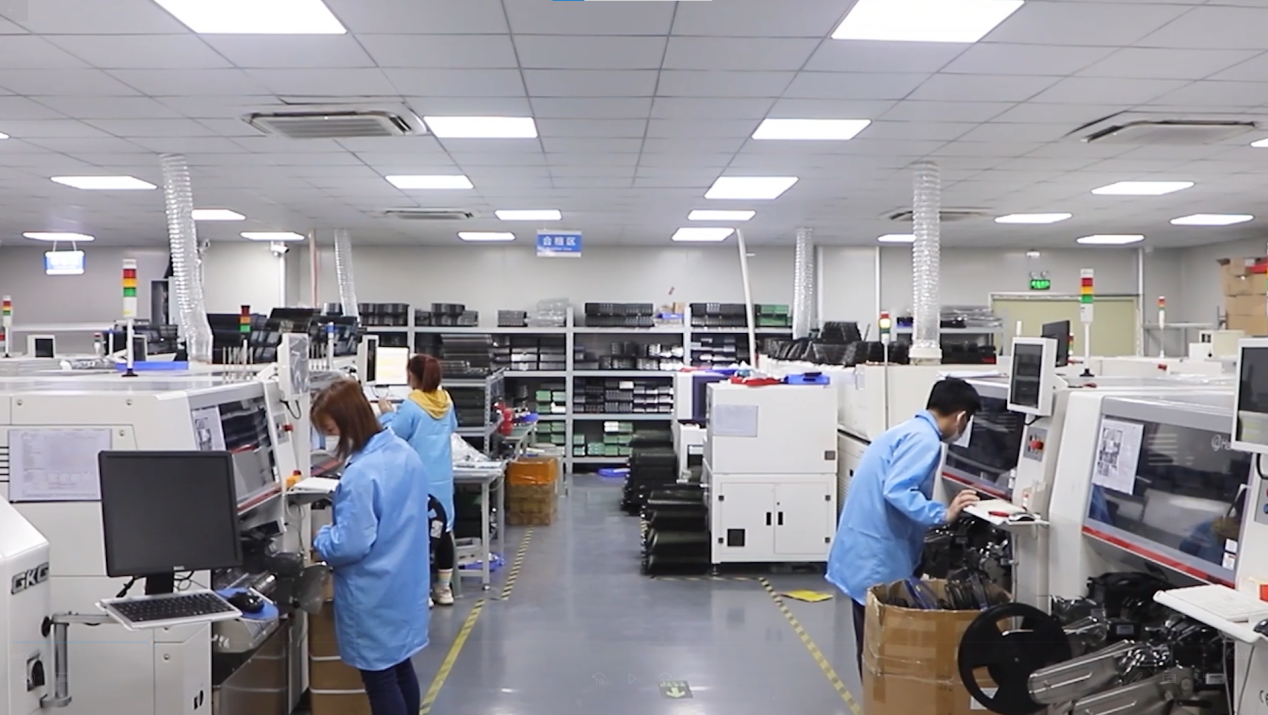
As Shenzhen Welcomes the World for APEC 2026, NEWO Welcomes You to Our Factory
As Shenzhen prepares for APEC 2026, NEWO welcomes international buyers and partners to visit our factory, meet our team and explore future cooperation.... -

Leading the Way in Product Innovation and Excellence
Smartnewo exemplifies professionalism in product innovation and manufacturing. Their collaboration with Xiaomi Youpin on the G01 crowdfunding project highlights their expertise in creating compact, powerful inflatable pumps. Rigorous engineering, meticulous production processes, and advanced quality assurance underscore their commitment to excellence. The success of the G01 project, with significant market... -

Essential Qualities of an Excellent Supplier
In today's competitive market, finding a reliable supplier is crucial for business success. Based on insights from Smartnewo and broader internet research, here are key qualities an excellent supplier must possess:... -

NW06 Tire Inflator: Compact Power for Quick Inflation
Summary The NW06 Tire Inflator delivers quick and efficient tire inflation with a powerful 35L/min airflow. It features a user-friendly LCD screen for real-time pressure monitoring, dual power options with a built-in 6000mAh battery, and multiple nozzle attachments for versatile use. Its compact design and integrated LED light ensure convenience and... -

Unleash the Power of Portability: The SmartNewo Jump Starter with Air Compressor KF03
This guide will walk you through the steps to effectively use a portable tire inflator, helping you stay prepared and safe on the road.... -

Newo Attends The 2024 Consumer Electronics Show (CES)
Smartnewo booth is located at 53672, Halls A-D, Level 2, Venetian Expo, Las Vegas Convention Center (LVCC). ... -

Smartnewo’s Dual-Cylinder Air Pump Rocks the Hong Kong Autumn Electronics Fair!
Smartnewo’s Dual-Cylinder Air Pump Rocks the Hong Kong Autumn Electronics Fair!... -

Meet at the Canton Fair! Smartnewo brings dual-cylinder air pumps, making your inflation experience faster and more stable!
NEWO has went deep communication and negotiation with customers from all over the world on booth.... -

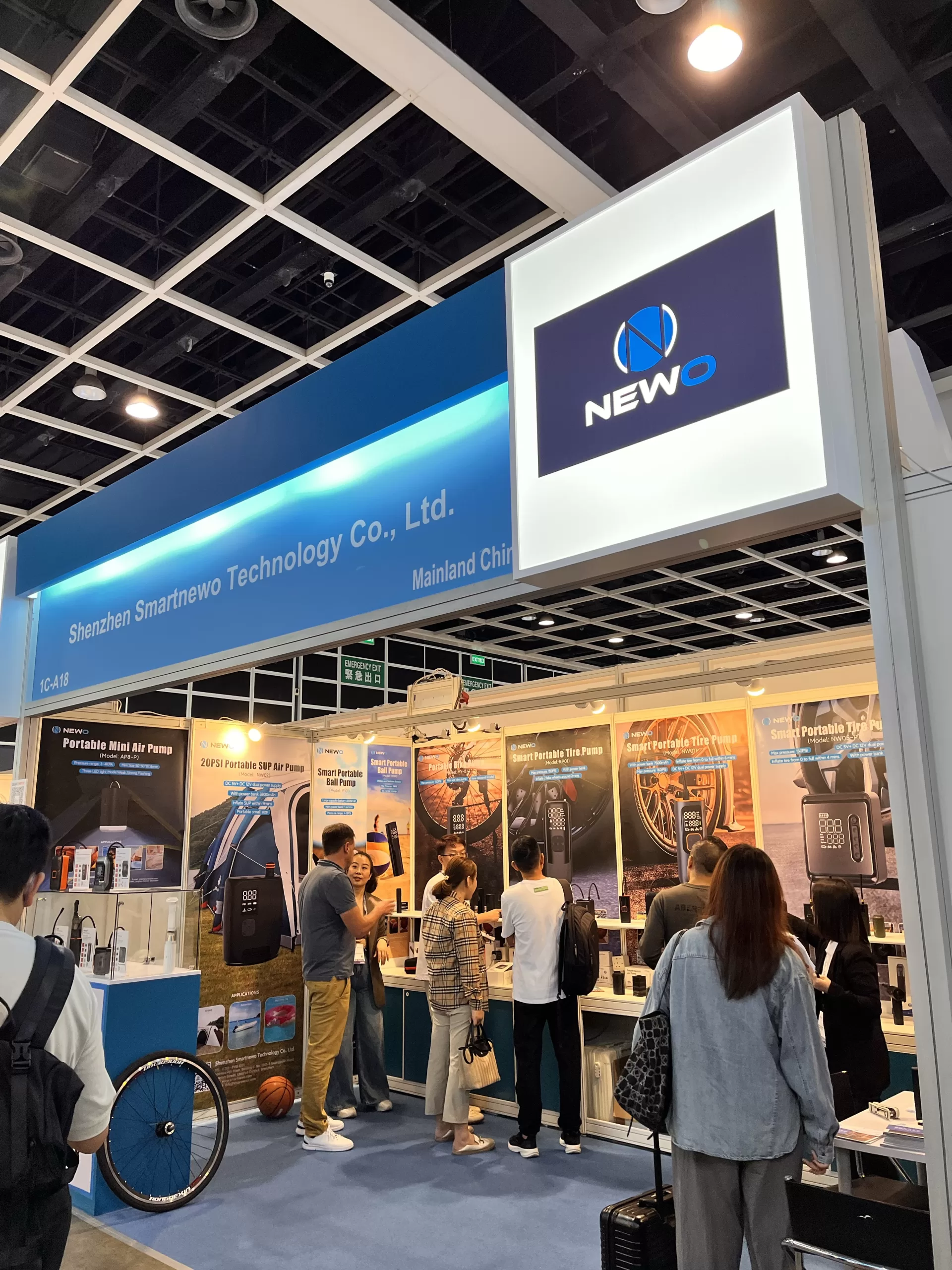
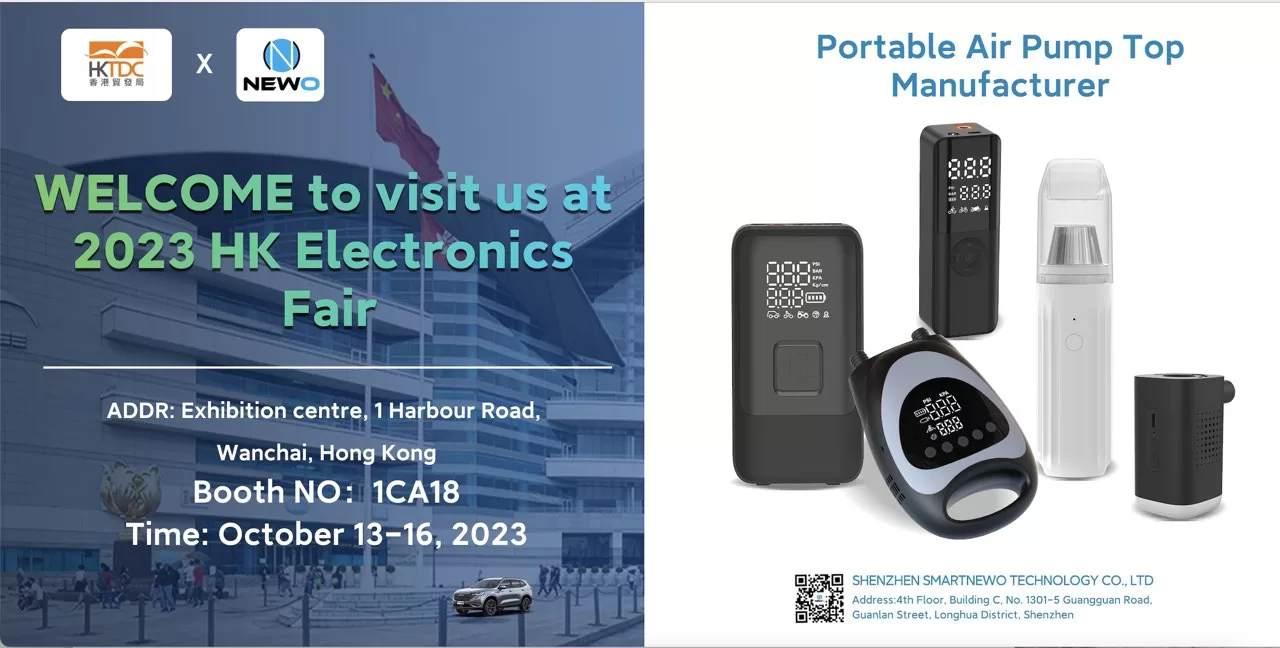
“Hong Kong Autumn Electronics Fair – 1CA18 (October 13th to 16th): Smartnewo invites you to visit our booth!
Hong Kong Autumn Electronics Fair...



-

What to Check Before Ordering Custom Electric Bike Pumps
Plan custom electric bike pumps with a clear requirements freeze for valves, TPU tubes, portability, repeated top-ups, charging, and model-specific documents.... -

OEM vs ODM Air Pumps: Which Manufacturing Model Fits Your Brand?
Compare OEM and ODM air pump projects by design responsibility, change approval, development scope, and written ownership terms before choosing your route.... -
How to Choose a Reliable Tire Inflator Manufacturer in China
Choose a tire inflator manufacturer in China with a focused RFQ, supplier evidence, configuration checks, and clear sample-to-pilot decisions for your brand.... -

Rechargeable Electric SUP Pump for Paddle Boards: Faster Inflation for SUPs, Kayaks and Inflatable Tents
The BL10-C Portable Electric Bike Tire Inflator is a compact and lightweight mini electric bike pump designed for modern cyclists. With up to 120 PSI pressure, a digital LED display, preset pressure control, automatic shut-off, USB-C charging, and multiple valve adapters, BL10-C offers a convenient inflation solution for road bikes,... -

Are Electric Bike Pumps Worth It in 2026? Electric Pump vs CO₂ vs Mini Hand Pump
Discover whether electric bike pumps are worth it in 2026. This guide compares electric bike pumps, CO₂ inflators, and mini hand pumps for road cycling, gravel riding, commuting, and long-distance rides. Learn the pros, limitations, best use cases, and key features to look for before choosing the right portable tire... -
BL10-C Portable Electric Bike Tire Inflator: Small Size, Reliable Power for Every Ride
The BL10-C Portable Electric Bike Tire Inflator is a compact and lightweight mini electric bike pump designed for modern cyclists. With up to 120 PSI pressure, a digital LED display, preset pressure control, automatic shut-off, USB-C charging, and multiple valve adapters, BL10-C offers a convenient inflation solution for road bikes,... -

Why Mini Electric Bike Pumps Are Becoming Essential for Modern Cycling
Discover why mini electric bike pumps are becoming essential for modern cyclists. Learn how portable electric bike pumps improve tire pressure management, riding safety, and convenience.... -

The Ultimate Smart Solution for Easy Outdoor Adventures in 2026
Discover how a spring travel air pump simplifies outdoor trips with fast inflation, smart features, and powerful performance—perfect for every adventure.... -

Powerful 5-in-1 Portable Car Tire Inflator and Jump Starter: The Ultimate Emergency Tool for Every Driver
Why Every Driver Needs a Portable Car Tire Inflator and Jump Starter Modern drivers face many unexpected situations on the road. A flat tire, low tire pressure, or a dead car battery can happen at the worst possible time. That’s why having a portable car tire inflator and jump starter is... -

7 Real Cycling Scenarios That Show Why Every Rider Should Carry a Mini Bike Pump
Cycling is one of the most freeing activities you can enjoy. Whether you’re commuting to work, riding through city streets, or exploring quiet countryside roads, a bike ride can instantly improve your day. But there’s one small problem that almost every cyclist eventually faces: Low tire pressure. It might happen...


-
How Is a Football Properly Inflated?
The correct inflation of a football - with not too much and not too little air - is a hotly debated topic among footballers.... -
Application Scenarios of Car Inflator Pump
Often long-distance business trips or play car owners because the road may be more remote areas, in this case if you encounter a tire leak....