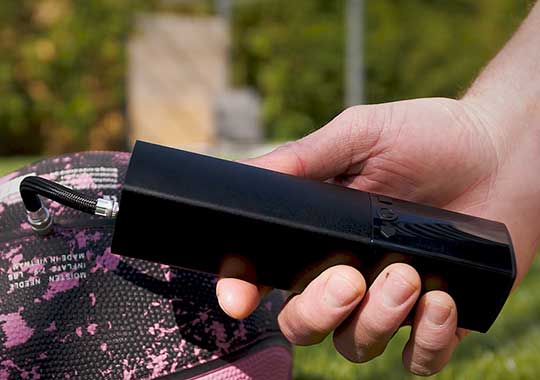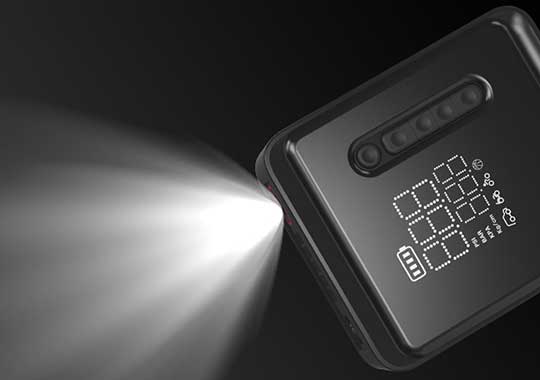

 Portable Tire Inflators
 Electric Air Pumps
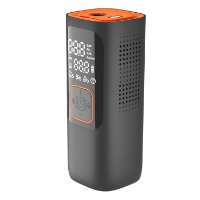 Electric Car Tyre Pumps
 Electric Ball Pumps
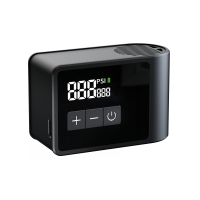 Electric Bike Pump
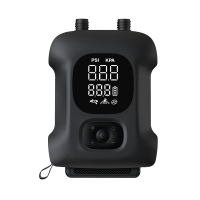 SUP Air Pump

Portable Electric Pump for Bike: What to Look for Before You Buy
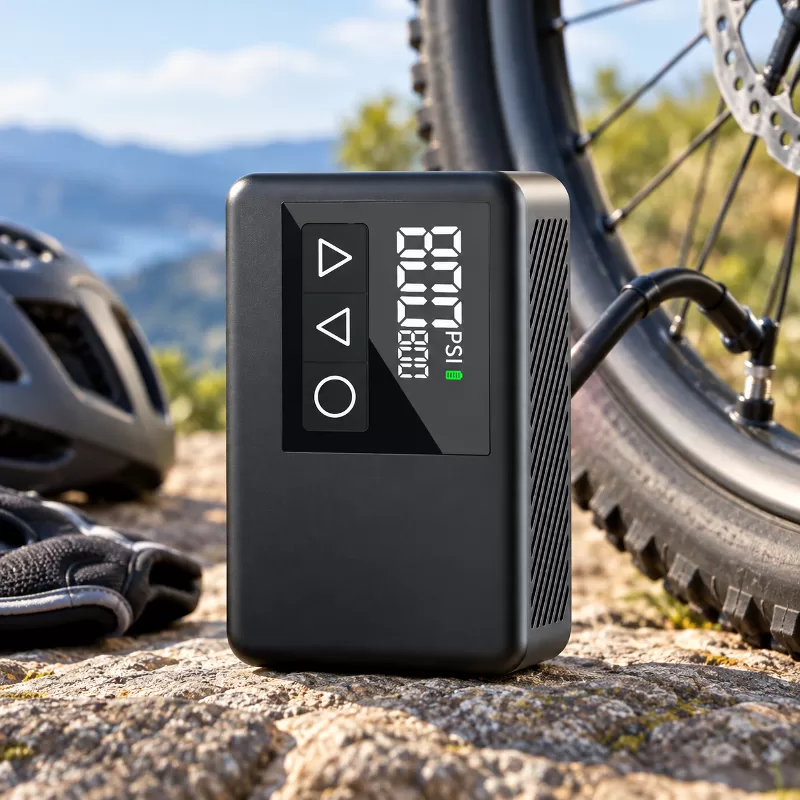
Finding yourself stranded on a quiet roadside with a flat tire is an experience every cyclist dreads. Hand mini pumps demand intense physical effort, often yielding barely enough pressure to limp home, while single-use CO2 cartridges carry the risk of frozen valves, accidental dumping, and discarded metal waste. A modern portable electric pump for bike tires changes this equation entirely by providing motorized compression in a handheld format.
Whether you commute through urban streets, explore gravel backroads, or ride high-pressure road setups, selecting the right battery-powered inflator requires understanding real-world pneumatic limits, battery capacities, and physical dimensions. This comprehensive guide breaks down the underlying engineering, key selection criteria, and practical field techniques to help you choose the ideal portable inflator.
Search Intent and Reader Needs
The Core Question: Is a Portable Electric Pump Practical for Cycling?
Cyclists exploring an electric tire inflator usually seek an answer to one straightforward question: can a device small enough to fit into a jersey pocket or saddle bag genuinely seat a tire and reach acceptable road pressures? The skepticism is reasonable. For decades, miniaturized pumps meant compromised leverage, blistered palms, and inaccurate thumb-check pressure estimates.
A quality portable electric pump for bike inflation addresses precisely these pain points. By replacing manual piston strokes with a compact motorized mechanism, a pump equipped with digital pressure sensing and automatic shut-off can make reaching a chosen target pressure considerably easier. The practical outcome on the road depends on the specific device, battery charge level, and operating conditions, but it significantly reduces the physical exhaustion often associated with emergency trailside maintenance.
Reader Profiles and Typical Usage Scenarios
Riders approach portable inflation from distinctly different angles depending on their cycling discipline and daily routines:
- Daily Commuters & Urban Cyclists: Punctuality is paramount. A commuter cannot arrive at work covered in sweat from operating a hand pump. They value fast operation, automated shut-off, and clean handling.
- Road Cyclists & Endurance Riders: These cyclists require higher working pressures, often between 70 and 100 psi. For them, pocket-sized dimensions and low weight are critical to avoid sagging jersey pockets.
- E-Bike and Gravel Adventurers: Wider tires (38mm to 2.4 inches) demand greater air volume rather than extreme pressures. These riders prioritize stable battery endurance to handle multiple top-offs on remote routes.
- Multi-Vehicle Enthusiasts: Many riders also maintain commuter motorcycles, scooters, or family sports equipment, making cross-compatibility with Schrader valves and ball needles an attractive bonus.
How a Portable Electric Bike Pump Works
Miniaturized Pneumatic Systems: Motor, Cylinder, and Power Delivery
At the core of an electric bicycle inflator is a miniature direct-current motor coupled to a compact compression chamber. In typical reciprocating designs, the motor drives a small compression element that draws ambient air through intake vents, pressurizes it within the internal cylinder, and directs it through a check valve into the inflation tube. This motorized setup replaces repetitive upper-body arm force with automated mechanical action.
In terms of motor construction, portable inflators increasingly feature brushless motors alongside conventional brushed options. In brushless configurations, physical carbon brushes are eliminated from the commutator. Depending on overall product design and thermal layout, this brushless design distinction can be paired with dedicated components—such as an independent internal cooling fan—to manage operating heat during extended use.
Digital Pressure Sensing and Automatic Shut-Off
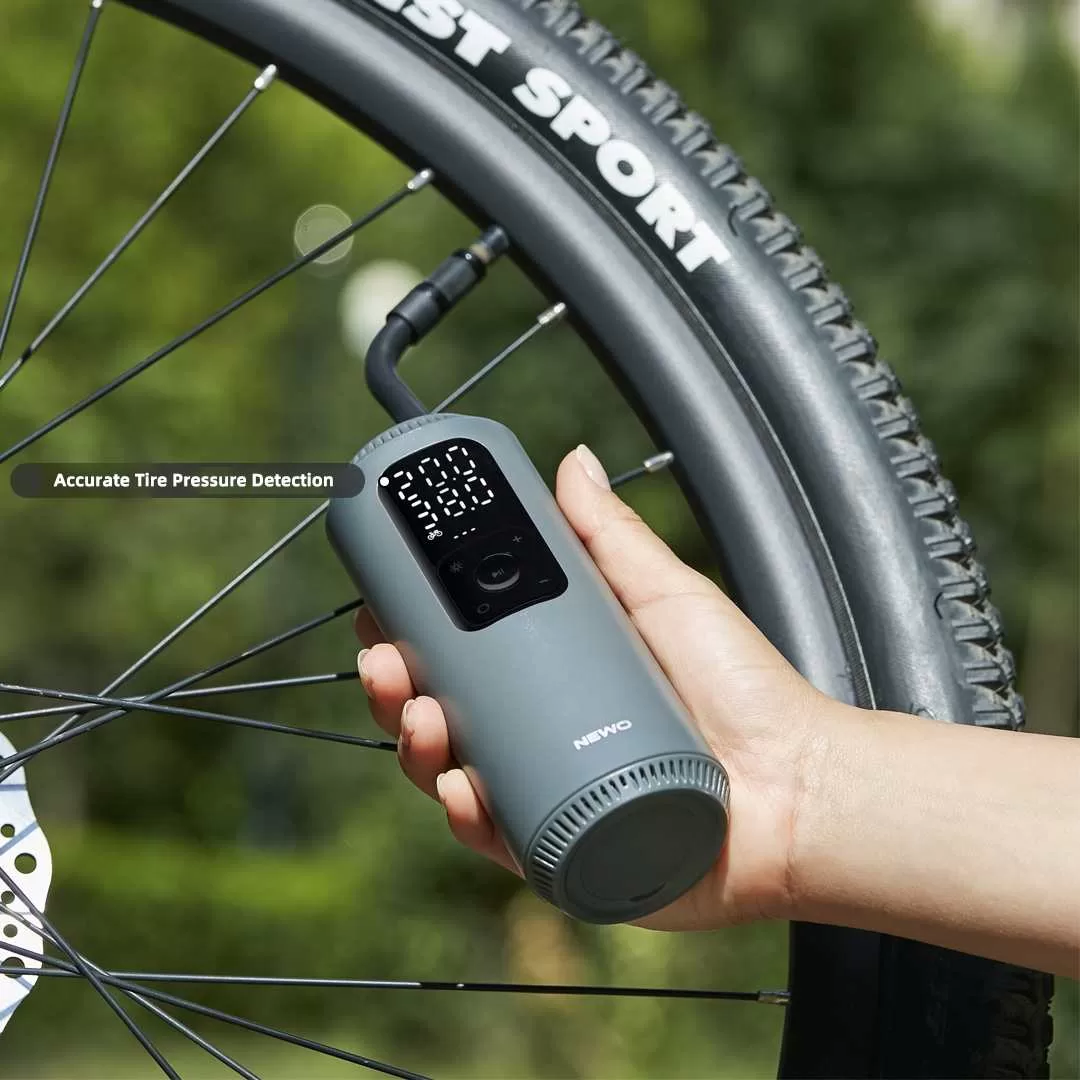
Manual pressure gauges on mini hand pumps are notoriously difficult to read, frequently vibrating out of focus while you pump. Portable electric inflators solve this problem by incorporating digital pressure sensing coupled to a clear display screen. As the air hose connects to the tire valve, the internal sensor samples the static line pressure and presents the current reading to the rider.
Once the rider presets the desired pressure—measured in standard units such as psi, bar, or kPa—the control circuitry monitors real-time inflation continuously. The instant internal pressure meets the preset target, the device halts motor power. This automatic shut-off feature helps reduce the risk of unintended over-inflation blowouts, though riders must always verify their chosen settings against component limits.
Airflow Rate vs. Maximum Pressure
A common misunderstanding among cyclists involves conflating maximum rated pressure with inflation speed. A pump capable of reaching 120 psi does not necessarily deliver high airflow. In pneumatic design, pressure and flow rate represent an engineering trade-off determined by cylinder bore and stroke volume.
For example, the T05 lists an airflow rate of about 14 L/min under its stated specifications. This volume is tailored for bicycle tires, where internal airspace is relatively modest. Attempting to fill a large automotive truck tire with a micro-cylinder will rapidly encounter thermal and battery limits, whereas bringing a standard bicycle tire up to proper pressure falls squarely within the system’s intended operational range.
Key Factors to Consider Before Buying
Valve Compatibility: Presta, Schrader, and Adapters
Bicycle tubes and tubeless stems primarily utilize two valve standards: Schrader and Presta. Schrader valves, identical to automotive tire valves, feature an internal spring-loaded pin and a wider 8mm diameter. Presta valves, favored on performance bicycles, measure 6mm across and incorporate an exposed tip nut that must be unscrewed before air can enter the chamber.
A versatile portable electric pump for bike applications must accommodate both standards without air leakage. Dependable units include dedicated Presta and Schrader adapters. A correctly fitted adapter and intact seal are important for preventing leaks during inflation, maintaining an airtight connection when working against higher internal tire pressures.
Pressure Capability and Usable Range
When evaluating a pump’s pressure capabilities, riders must consult both the tire sidewall markings and the wheel manufacturer’s technical specifications. A pump rated to a maximum of 120 psi provides a high mechanical ceiling, but that figure represents an upper design boundary rather than an instruction on how high to inflate any particular tire.
Technical guidelines from organizations such as Schwalbe emphasize that safe operating limits depend on the entire wheel assembly. The tire’s permissible pressure range is stamped on its casing, but the rim also has an independent maximum pressure limit that must never be exceeded. When the two values differ, the lower maximum represents the absolute safety ceiling. Target pressures for rider weight, cargo, and road conditions should always be chosen strictly within that verified, safe window.
Battery Life, Charging Port, and Runtime
Battery capacity dictates how much work an inflator can perform between charges. Because portability is paramount, inflators utilize compact lithium-ion cell arrangements.
- Nominal Energy Storage: The T05 uses a 7.4V rechargeable battery system with a 1200 mAh (8.88 Wh) capacity, providing a lightweight energy reservoir suitable for roadside top-offs and routine maintenance.
- Universal Type-C Charging: Modern riders carry power banks and standard USB chargers. A Type-C port supporting 5V/2A input allows the inflator to recharge in under an hour, eliminating proprietary wall adapters.
- Operating Runtime: Handheld compressors concentrate heat during mechanical operation. The T05 lists a runtime of 5 to 10 minutes; users should always consult the device documentation for permitted continuous operating durations and recommended cooling intervals.
Form Factor, Weight, and Portability
Every gram counts when climbing mountain passes or commuting with a loaded pack. Traditional floor pumps stay in the workshop, but a portable electric pump for bike rides must tuck neatly into a frame bag, hydration vest, or saddle pack.
An optimal handheld unit balances physical exterior dimensions—ideally under 140 mm in height and 40 mm in thickness—with an overall weight hovering below 200 grams. Packaging a motor, battery, circuit board, and heat dissipation vents into such a compact footprint requires careful component layout to ensure reliable portability on long rides.
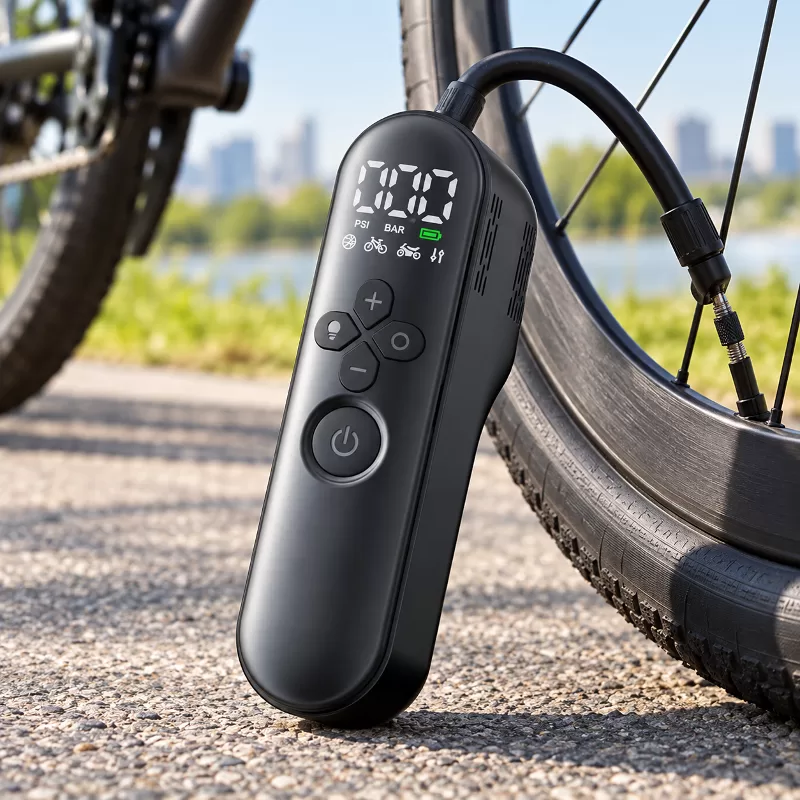
Portable Electric Pump vs. Traditional Alternatives
Electric Mini Pump vs. Manual Hand Pump
Manual mini pumps remain popular due to their mechanical simplicity; they contain no electronics that can lose charge over months of non-use. However, manually pushing against high pressure inside a narrow cylinder exerts punishing leverage against your hands and tire valve stems, which can strain or bend delicate valve cores.
An electric pump isolates the valve stem from physical rocking motions by utilizing a flexible connecting hose. While the manual pump will theoretically work indefinitely as long as your arms hold out, an electric pump delivers automated pressure control and spares physical energy when you are far from home.
Electric Mini Pump vs. CO2 Cartridges
CO2 inflators are celebrated for their rapid inflation speed, discharging compressed gas into an inner tube in seconds. Despite this speed, CO2 systems offer limited pressure control, become intensely cold upon discharge, and render the rider helpless if multiple punctures occur and spare canisters have been exhausted.
| Inflation Feature | Portable Electric Pump | Manual Mini Pump | CO2 Cartridge System |
|---|---|---|---|
| Physical Effort | Automated Operation | High (Manual Pumping) | Minimal (Trigger Release) |
| Pressure Accuracy | Digital Sensor with Auto Stop | Visual Gauge or Tactile Check | Unmetered Discharge |
| Inflation Capacity | Depends on Tire Size & Pressure | Unlimited Manual Strokes | Single Use per Canister |
| Valve Stem Stress | Low (Flexible Hose Isolation) | High (Leverage on Stem) | Low (Thermal Freezing Risk) |
| Operating Power Source | Rechargeable Battery | Manual Muscle Power | Compressed Gas Cylinder |
| Reuse Model | Reusable After Charging | Reusable Mechanical Tool | Single-Use Cartridge Replacement |
Spotlight on Modern Pneumatics: The T05 Handheld Inflator
Stated Technical Specifications at a Glance
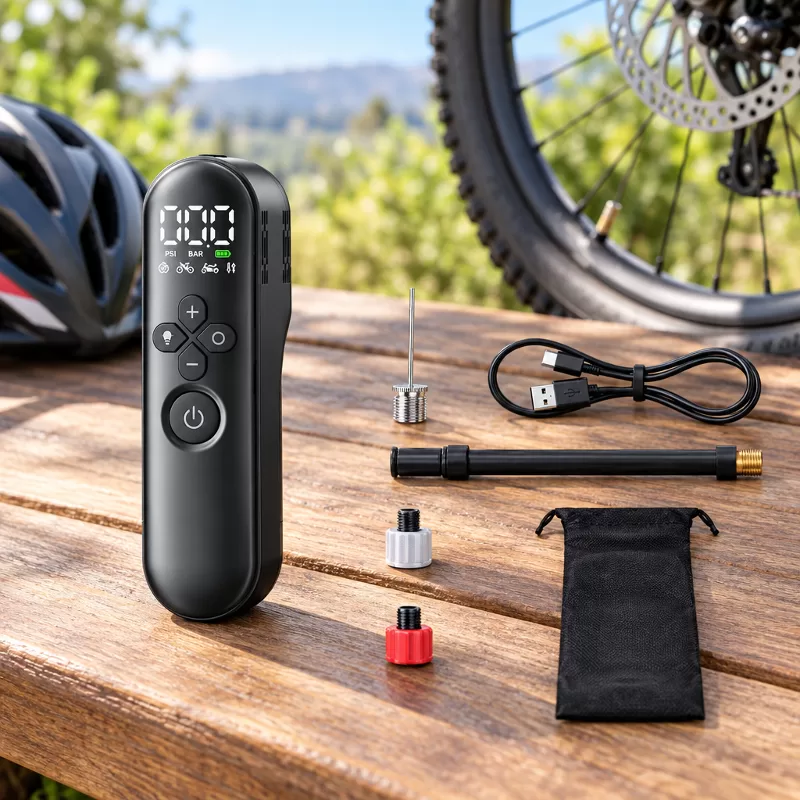
To understand how engineering theory translates into hardware, we can look at dedicated cycling devices like the T05 Portable Bike Tire Inflator. Built around a slim handheld form factor, this unit provides one example of a compact cycling inflator.
As a professional manufacturer specializing in the research, development, and production of smart electric air pumps and portable inflation solutions, Newo designs equipment to balance pneumatic output against everyday portability. For us, addressing rider vulnerability means engineering micro-pneumatic assemblies capable of operating safely within tight physical constraints.
- Inflation Pressure Range: 2 to 120 psi stated pressure range (with ~14 L/min stated airflow rate)
- Motor Architecture: Small brushless pump mechanism powered by an internal ~40W system
- Battery System: 1200 mAh, 7.4V, 8.88 Wh rechargeable pack with 300-cycle life rating (stated to retain ≥80% original capacity)
- Charging Architecture: Type-C input (5V / 2A), stated to charge in less than 1 hour
- Dimensions and Mass: 132 × 35 × 51.5 mm, with a net weight of about 192.4 grams
- Thermal Management: Independent integrated cooling fan and housing ventilation
- Acoustic Rating: Stated at 80 dB or below at 1.5 meters
Interpreting Manufacturer Claims and Operating Boundaries
Reading technical data sheets requires an understanding of testing conditions. The 120 psi maximum pressure on the T05 demonstrates strong mechanical capability, making it well-suited for high-pressure bicycle tires. However, riders must respect operational boundaries.
The listed runtime is 5 to 10 minutes; follow the user manual for permitted operating duration and cooling intervals. The inclusion of an independent cooling fan and housing vents helps manage thermal energy across the stated operating temperature range of -10°C to 45°C. For routine bike tire top-offs, staying within the recommended duty cycles allows the device to operate within its verified technical baseline.
Step-by-Step Guide: How to Safely Inflate a Bike Tire
Step 1: Inspect the Tire and Read Pressure Markings
Before attaching any inflation device, inspect the tire tread and sidewall for debris, cuts, or bead seating issues. Locating the proper technical specifications protects both rider and equipment.
- Inspect the tire sidewall for the manufacturer’s permissible pressure range, and review the wheel rim’s technical documentation to determine its maximum rating.
- Identify whichever maximum pressure is lower—between the tire and the rim—and establish a target pressure that never exceeds that ceiling.
- Verify that your planned pressure suits your specific setup, taking into account rider weight and system baggage, while remaining strictly within allowable boundaries.
- Confirm that the tire bead sits evenly inside the rim flange along both sides of the wheel circumference before initiating air delivery.
Step 2: Prepare and Connect the Correct Valve
Improper valve connection is the primary cause of inaccurate pressure readings and stripped valve cores. Taking ten seconds to align the hardware prevents roadside complications.
- For Presta valves, remove any protective dust cap and unscrew the valve’s small tip nut counter-clockwise until it stops.
- For Schrader valves, unscrew the dust cap and verify the internal spring pin is clean and free of road dirt.
- Thread the appropriate adapter firmly onto the air hose, then attach the hose assembly squarely onto the tire valve, securing it until the digital display registers the tire’s current internal pressure.
Step 3: Set Target Pressure and Monitor Inflation
With the hose securely locked to the valve, power on the inflator and select your preferred measurement unit on the LED screen.
- Use the interface buttons to adjust the target pressure setting to match your desired psi.
- Press the power button to initiate inflation. The pump and its cooling system then operate according to the device’s control logic.
- Hold the inflator comfortably or rest it securely on the ground without twisting or kinking the flexible air tube.
- Allow the automatic shut-off mechanism to halt the motor once the preset pressure threshold is reached.
Step 4: Disconnect and Verify the Seal
Disconnecting the pump cleanly preserves the precise pressure you just delivered into the tire casing.
- Unthread the hose adapter promptly from the valve stem; a brief hiss of escaping air from the hose itself is normal.
- On Presta valves, immediately finger-tighten the exposed tip nut clockwise until snug.
- Reinstall the protective plastic valve dust cap to shield the core from grit, road grime, and moisture.
Beyond Bicycles: Multi-Scenario Usability
Sports Equipment and Small Inflatables
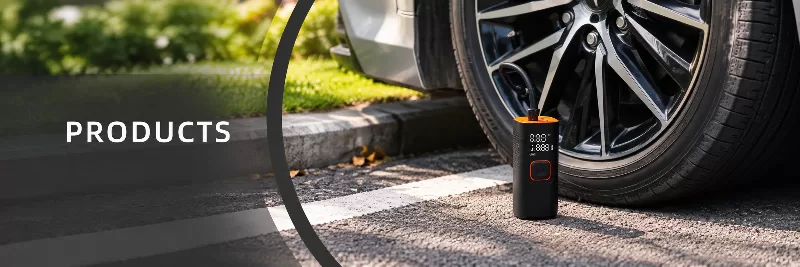
A versatile electric inflator extends its utility far beyond two wheels. With the addition of a standard ball needle, the same unit becomes an accurate tool for inflating basketballs, soccer balls, and volleyballs. Because sports balls operate at delicate, low pressures (typically between 7 and 13 psi), the digital sensor and auto shut-off eliminate the risk of over-stretching seams.
E-Bikes, Scooters, and Light Motorcycles
Some wheel and hub layouts on electric commuter scooters and lightweight e-bikes can make valve access awkward. Small rim diameters and compact hub motor casings leave limited clearance around the valve stem.
A slim portable pump with a flexible air hose can attach into these confined wheel spaces far more easily than bulky rigid pump heads. Checking wheel clearance and hose flexibility before choosing a pump ensures smooth pressure maintenance on commuter setups.
Automobile Emergency Top-Ups: Realistic Limits
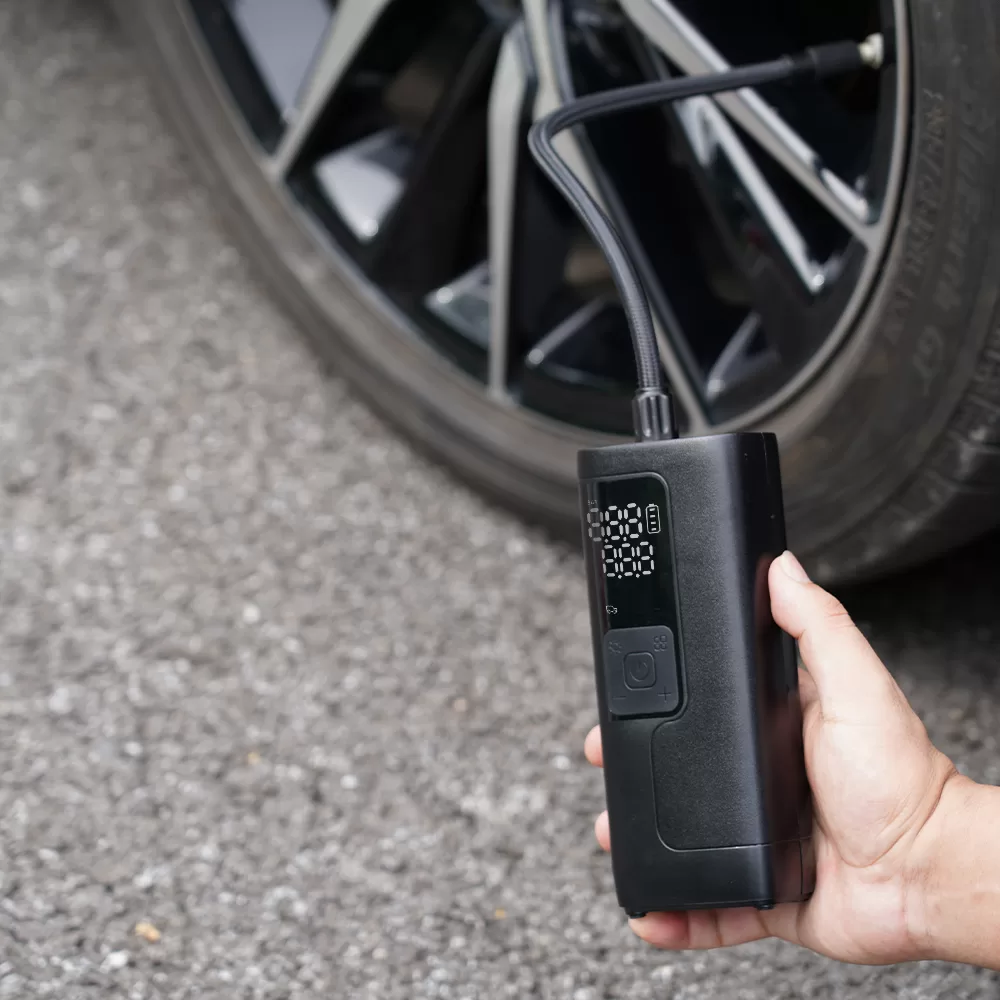
It is vital to distinguish between maintaining bicycle tires and servicing full-size automobile tires. Handheld bike inflators can connect to automotive Schrader valves, and their stated 120 psi maximum pressure easily exceeds car tire requirements (typically 32 to 36 psi).
However, the large air volume of a passenger vehicle tire means that a micro-pump with a ~14 L/min airflow is designed strictly for small emergency top-offs—such as adding a small amount of pressure to bring a slightly low tire back to the vehicle’s placard specification. Always consult the door jamb placard for the specified tire pressure and verify final inflation with a dedicated gauge. Inflating an entirely flat car tire from zero would exceed the continuous runtime limits and battery capacity of a pocket-sized tool.
Maintenance, Battery Care, and Troubleshooting
Extending Lithium-Ion Battery Lifespan
Rechargeable inflators rely on compact lithium-ion cells that require basic care to maintain capacity over years of ownership. Adhering to the manufacturer’s specific care instructions ensures the tool is ready when an emergency strikes:
- Follow Manufacturer Guidelines: Always follow the storage, operating, and charging schedules outlined in the device user manual.
- Prevent Deep Depletion: Avoid leaving the battery pack fully depleted for prolonged periods; charge the unit periodically according to the product documentation to maintain cell health.
- Protect from Temperature Extremes: Do not store the pump inside a vehicle exposed to direct sun or extreme thermal shifts, as sustained high ambient temperatures degrade internal battery chemistry.
Troubleshooting Common Roadside Issues
When roadside inflation does not proceed as expected, checking mechanical connections will resolve most basic symptoms:
- Display Reads Zero After Connection: Verify that the valve adapter is threaded sufficiently to engage the valve pin on Schrader stems, or that the Presta tip nut was unscrewed prior to attaching the hose.
- Air Leaks Audibly Around Valve: Inspect the internal rubber sealing ring inside the adapter for tears or debris, and confirm that threads are aligned cleanly without cross-threading.
- Motor Shuts Down Prematurely: Stop inflation immediately and inspect the setup. Allow the pump to cool down if it has been running under continuous load, check the hose and valve connection for blockages, and consult the manufacturer operating guidelines or a bike mechanic if unexpected shutdowns persist.
Frequently Asked Questions (FAQs)
Is a 120 PSI portable electric pump enough for all road bike tires?
A 120 psi maximum is enough for many bicycle applications, but it does not define a safe tire pressure. Follow the applicable tire and rim limits and your setup’s recommended pressure rather than relying on maximum pump ratings.
Can a portable electric bike pump inflate a tire from flat to full?
A portable inflator may be able to bring an empty bicycle tire to normal pressure, but success depends on tire volume, target pressure, battery charge, and the manufacturer’s operating limits. The exact number of inflations per charge varies depending on these operational factors.
How long does a portable electric pump take to inflate a bicycle tire?
Inflation duration depends on total tire volume, starting pressure, target pressure, and actual pump performance under load. High-volume mountain bike or gravel setups require longer runtime than narrow tires to reach equivalent pressure thresholds.
Will an electric pump work with tubeless bike setups?
A portable electric pump can potentially assist with routine pressure maintenance on tubeless tires that are already seated against the rim, provided the valve adapter forms a secure seal. However, suitability depends on the specific pump and tire setup; readers should always verify pump valve compatibility and consult the tire and rim manufacturers’ guidelines. Furthermore, seating a brand-new tubeless tire onto a dry rim typically demands a sudden, high-volume surge of air that usually requires a workshop air compressor or dedicated booster tank.
How loud is a portable electric pump during roadside operation?
Because electric inflators employ mechanical compression, they produce audible sound during operation. For example, the T05 specifies a sound level of 80 dB or below at a distance of 1.5 meters, representing the manufacturer’s stated measurement for this model.
Can I carry a rechargeable electric bike pump on a commercial flight?
Rechargeable electric pumps contain integrated lithium-ion batteries, meaning travel rules depend on battery capacity and regulatory guidelines. Under U.S. FAA guidance, devices with installed lithium batteries are permitted in carry-on baggage and may also be placed in checked baggage if completely powered off and protected against accidental activation, whereas spare batteries must remain in the cabin. International regulations and individual airline policies vary, so always confirm requirements with your carrier before flying.
Conclusion: Choosing the Right Portable Electric Pump for Bike Rides
Investing in a dedicated portable electric pump for bike adventures transforms roadside tire maintenance from a strenuous chore into a quick, controlled process. By prioritizing solid technical benchmarks—such as a 2–120 psi stated pressure range, dependable brushless motor architecture, Type-C charging flexibility, and integrated thermal cooling—cyclists can ride with confidence, knowing reliable inflation is always within reach.
-

Meet NEWO at the 140th Canton Fair: Visit Booth 10.3 M03–04
Meet NEWO at the 140th Canton Fair in Guangzhou, October 15–19, 2026. Visit Booth 10.3 M03–04 to explore portable air pumps and discuss OEM, ODM and distribution opportunities.... -

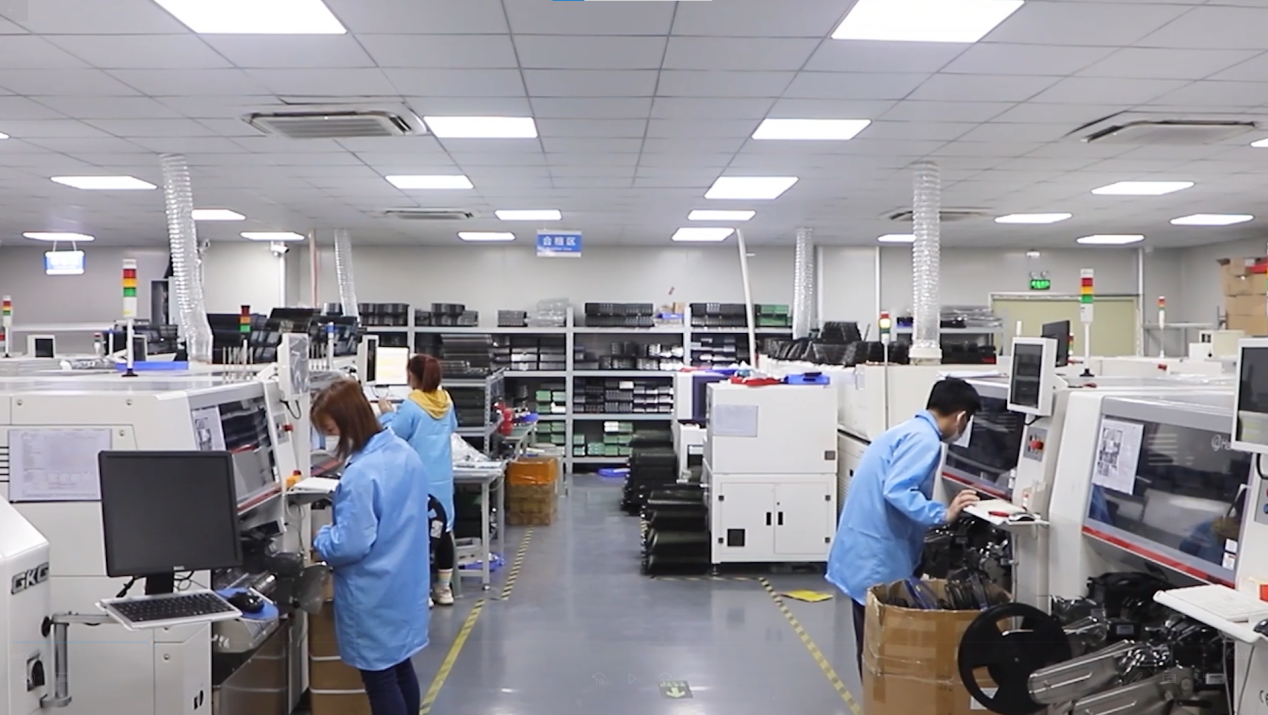
As Shenzhen Welcomes the World for APEC 2026, NEWO Welcomes You to Our Factory
As Shenzhen prepares for APEC 2026, NEWO welcomes international buyers and partners to visit our factory, meet our team and explore future cooperation.... -

Leading the Way in Product Innovation and Excellence
Smartnewo exemplifies professionalism in product innovation and manufacturing. Their collaboration with Xiaomi Youpin on the G01 crowdfunding project highlights their expertise in creating compact, powerful inflatable pumps. Rigorous engineering, meticulous production processes, and advanced quality assurance underscore their commitment to excellence. The success of the G01 project, with significant market... -

Essential Qualities of an Excellent Supplier
In today's competitive market, finding a reliable supplier is crucial for business success. Based on insights from Smartnewo and broader internet research, here are key qualities an excellent supplier must possess:... -

NW06 Tire Inflator: Compact Power for Quick Inflation
Summary The NW06 Tire Inflator delivers quick and efficient tire inflation with a powerful 35L/min airflow. It features a user-friendly LCD screen for real-time pressure monitoring, dual power options with a built-in 6000mAh battery, and multiple nozzle attachments for versatile use. Its compact design and integrated LED light ensure convenience and... -

Unleash the Power of Portability: The SmartNewo Jump Starter with Air Compressor KF03
This guide will walk you through the steps to effectively use a portable tire inflator, helping you stay prepared and safe on the road.... -

Newo Attends The 2024 Consumer Electronics Show (CES)
Smartnewo booth is located at 53672, Halls A-D, Level 2, Venetian Expo, Las Vegas Convention Center (LVCC). ... -

Smartnewo’s Dual-Cylinder Air Pump Rocks the Hong Kong Autumn Electronics Fair!
Smartnewo’s Dual-Cylinder Air Pump Rocks the Hong Kong Autumn Electronics Fair!... -

Meet at the Canton Fair! Smartnewo brings dual-cylinder air pumps, making your inflation experience faster and more stable!
NEWO has went deep communication and negotiation with customers from all over the world on booth.... -

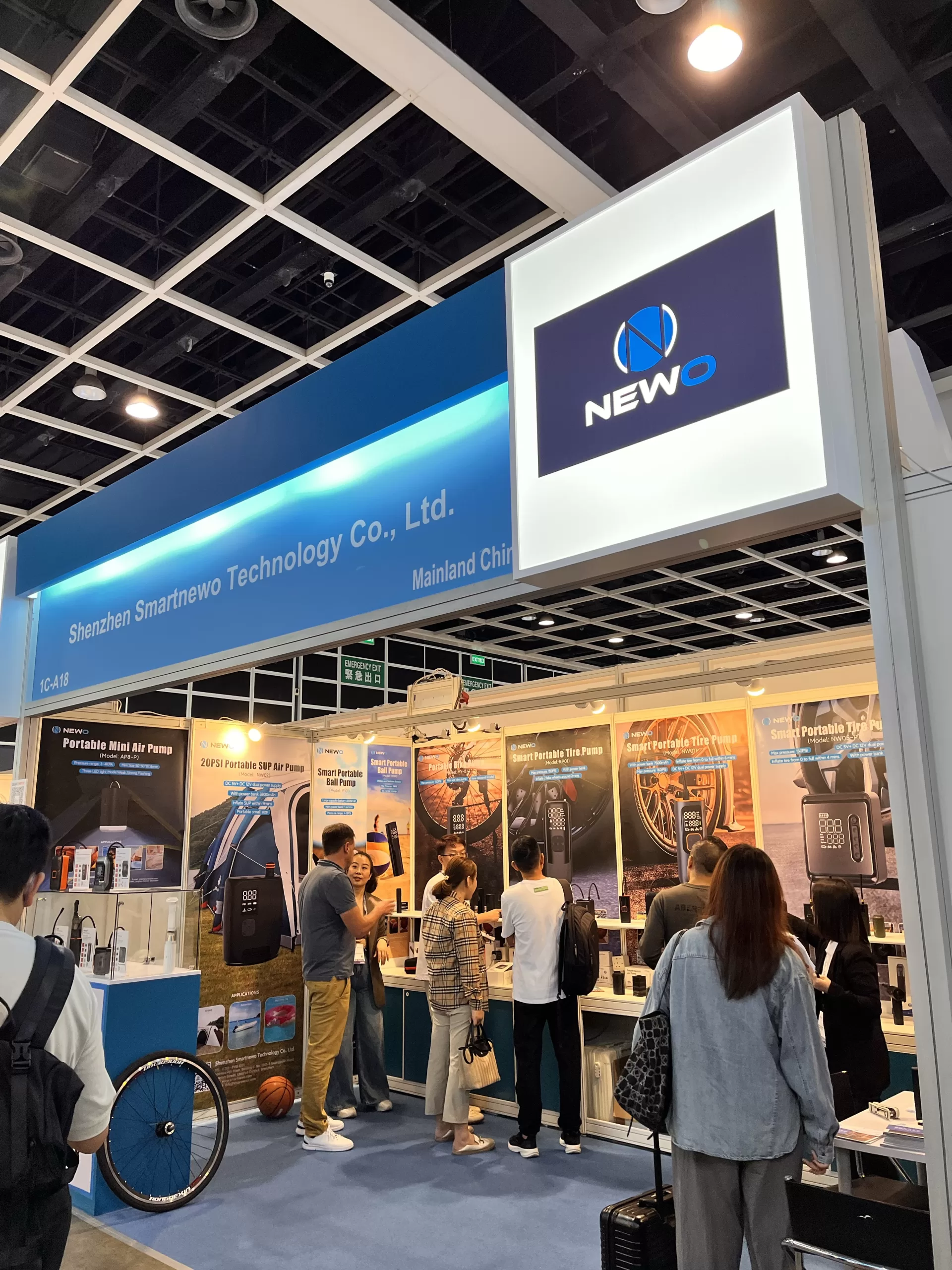
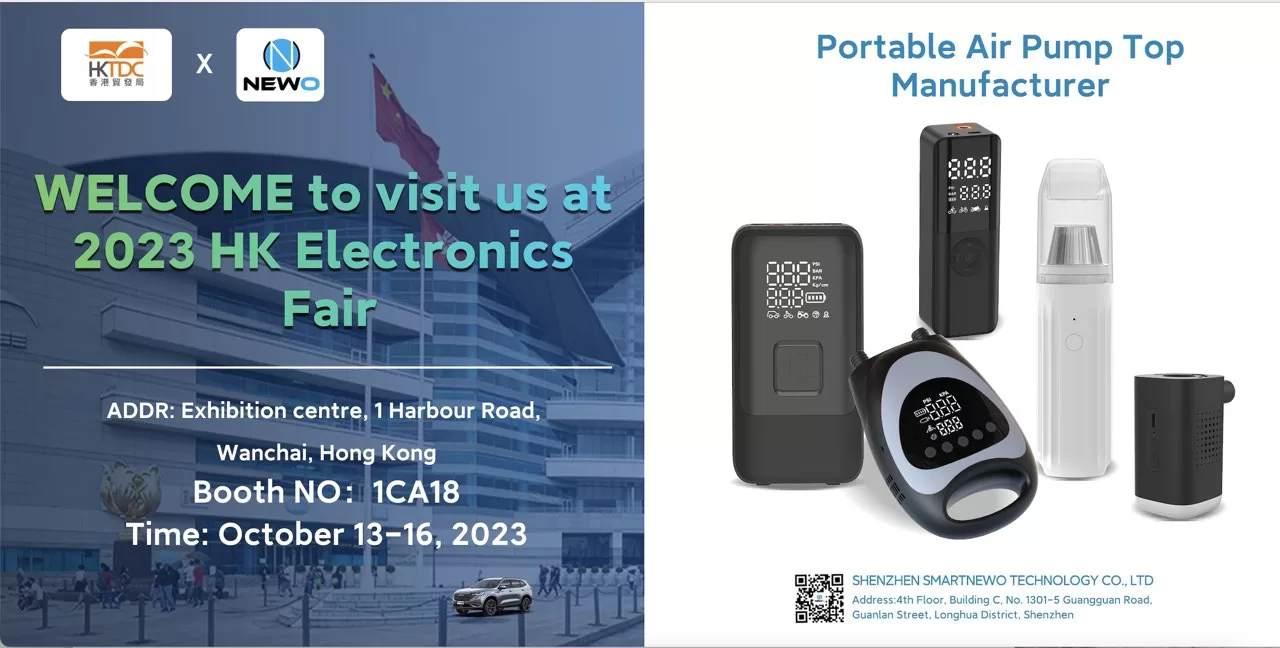
“Hong Kong Autumn Electronics Fair – 1CA18 (October 13th to 16th): Smartnewo invites you to visit our booth!
Hong Kong Autumn Electronics Fair...



-

What to Check Before Ordering Custom Electric Bike Pumps
Plan custom electric bike pumps with a clear requirements freeze for valves, TPU tubes, portability, repeated top-ups, charging, and model-specific documents.... -

OEM vs ODM Air Pumps: Which Manufacturing Model Fits Your Brand?
Compare OEM and ODM air pump projects by design responsibility, change approval, development scope, and written ownership terms before choosing your route.... -
How to Choose a Reliable Tire Inflator Manufacturer in China
Choose a tire inflator manufacturer in China with a focused RFQ, supplier evidence, configuration checks, and clear sample-to-pilot decisions for your brand.... -

Rechargeable Electric SUP Pump for Paddle Boards: Faster Inflation for SUPs, Kayaks and Inflatable Tents
The BL10-C Portable Electric Bike Tire Inflator is a compact and lightweight mini electric bike pump designed for modern cyclists. With up to 120 PSI pressure, a digital LED display, preset pressure control, automatic shut-off, USB-C charging, and multiple valve adapters, BL10-C offers a convenient inflation solution for road bikes,... -

Are Electric Bike Pumps Worth It in 2026? Electric Pump vs CO₂ vs Mini Hand Pump
Discover whether electric bike pumps are worth it in 2026. This guide compares electric bike pumps, CO₂ inflators, and mini hand pumps for road cycling, gravel riding, commuting, and long-distance rides. Learn the pros, limitations, best use cases, and key features to look for before choosing the right portable tire... -
BL10-C Portable Electric Bike Tire Inflator: Small Size, Reliable Power for Every Ride
The BL10-C Portable Electric Bike Tire Inflator is a compact and lightweight mini electric bike pump designed for modern cyclists. With up to 120 PSI pressure, a digital LED display, preset pressure control, automatic shut-off, USB-C charging, and multiple valve adapters, BL10-C offers a convenient inflation solution for road bikes,... -

Why Mini Electric Bike Pumps Are Becoming Essential for Modern Cycling
Discover why mini electric bike pumps are becoming essential for modern cyclists. Learn how portable electric bike pumps improve tire pressure management, riding safety, and convenience.... -

The Ultimate Smart Solution for Easy Outdoor Adventures in 2026
Discover how a spring travel air pump simplifies outdoor trips with fast inflation, smart features, and powerful performance—perfect for every adventure.... -

Powerful 5-in-1 Portable Car Tire Inflator and Jump Starter: The Ultimate Emergency Tool for Every Driver
Why Every Driver Needs a Portable Car Tire Inflator and Jump Starter Modern drivers face many unexpected situations on the road. A flat tire, low tire pressure, or a dead car battery can happen at the worst possible time. That’s why having a portable car tire inflator and jump starter is... -

7 Real Cycling Scenarios That Show Why Every Rider Should Carry a Mini Bike Pump
Cycling is one of the most freeing activities you can enjoy. Whether you’re commuting to work, riding through city streets, or exploring quiet countryside roads, a bike ride can instantly improve your day. But there’s one small problem that almost every cyclist eventually faces: Low tire pressure. It might happen...


-
How Is a Football Properly Inflated?
The correct inflation of a football - with not too much and not too little air - is a hotly debated topic among footballers.... -
Application Scenarios of Car Inflator Pump
Often long-distance business trips or play car owners because the road may be more remote areas, in this case if you encounter a tire leak....