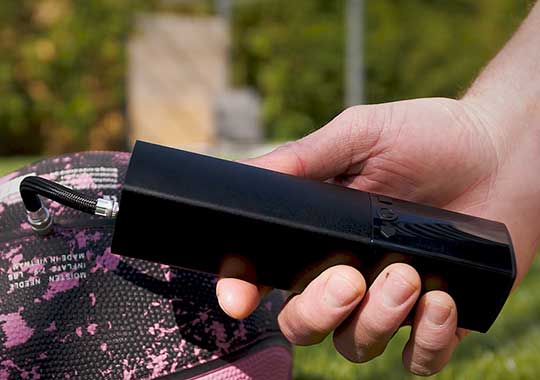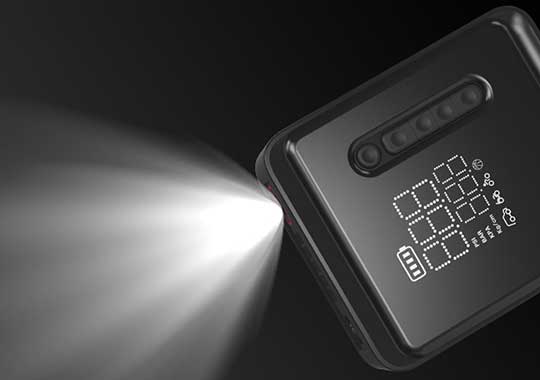

 Portable Tire Inflators
 Electric Air Pumps
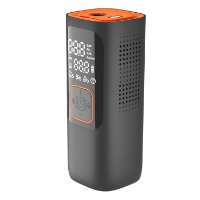 Electric Car Tyre Pumps
 Electric Ball Pumps
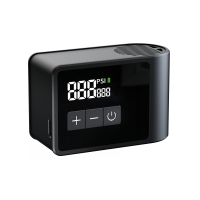 Electric Bike Pump
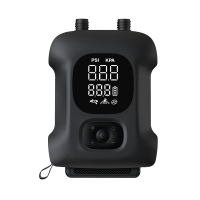 SUP Air Pump

Portable Electric Tire Pump: How to Choose and Use One
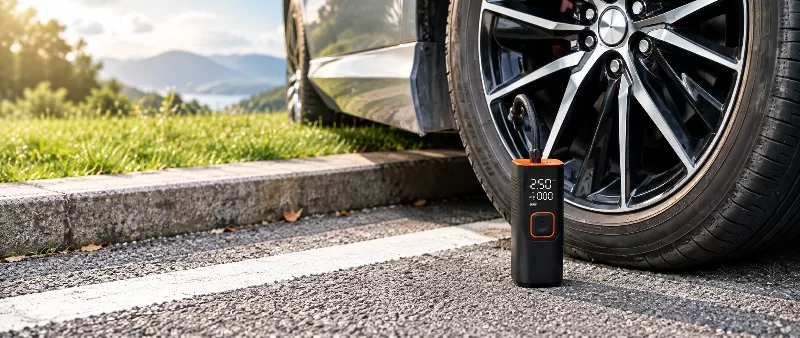
A modern portable electric tire pump provides drivers, cyclists, and commuters with an autonomous way to maintain correct inflation pressure without hunting for a functional gas station air hose. When tires drop below their recommended baseline, rolling resistance increases, tread wear accelerates unevenly, and fuel economy noticeably suffers. Having a dedicated compact compressor in the vehicle or backpack transforms tire maintenance from an inconvenient chore into a routine check, depending on tire dimensions and starting pressure.
Understanding how these tools function helps users select the right design for their specific travel needs. Selecting an effective inflator requires looking beyond maximum pressure numbers to inspect airflow ratings, cylinder architecture, and power redundancy.
What Is a Portable Electric Tire Pump?
How an Electric Inflator Works
At its mechanical foundation, an electric tire inflator converts direct-current electrical energy into mechanical movement. A motor drives an internal compression mechanism that draws in and pressurizes air before sending it through the inflation hose.
Unlike workshop pneumatic systems, a handheld portable electric tire pump operates without an intermediate pressure tank. The compressor builds pressure directly against the counter-pressure of the tire cavity. Because the motor and compression system generate heat during operation, users should observe the product’s stated runtime and any recommended cooling intervals.
Cordless Rechargeable vs. 12V Vehicle-Powered Designs
Portable compressors generally fall into two power categories: battery-operated cordless units and direct 12V vehicle-corded inflators. Cordless units utilize high-drain lithium-ion battery packs to eliminate trailing power cables, allowing you to walk freely around a car, cargo van, or bicycle rack without tangling wires in wheels or dirty door sills.
Direct 12V models draw power from the vehicle cigarette lighter socket, which can extend use beyond the limits of an internal battery pack. However, operation remains governed by the vehicle electrical supply, cord length, and the pump’s own operating specifications. The NW05-P is specified to support 12V–14V vehicle power, providing an alternative power connection; confirm the required operating conditions in the user instructions.
Key Factors to Consider Before Buying a Portable Inflator
Maximum Pressure vs. Airflow Rate
Shoppers frequently fall into the trap of evaluating inflators solely by their maximum rated pounds per square inch. A rating of 150 PSI sounds impressive, yet passenger car tires typically require only 30 to 36 PSI, while road bicycle tires might demand higher pressures.
The real operational bottleneck is volume throughput, typically measured in liters per minute (L/min). A pump engineered with a narrow cylinder displacement can achieve high pressure ratings but may require substantially more time to fill a high-volume automotive tire cavity. Airflow volume directly affects the time needed to add pressure, with total duration always depending on the tire size, ambient conditions, and starting pressure.
Battery Capacity, Runtime, and Thermal Duty Cycles
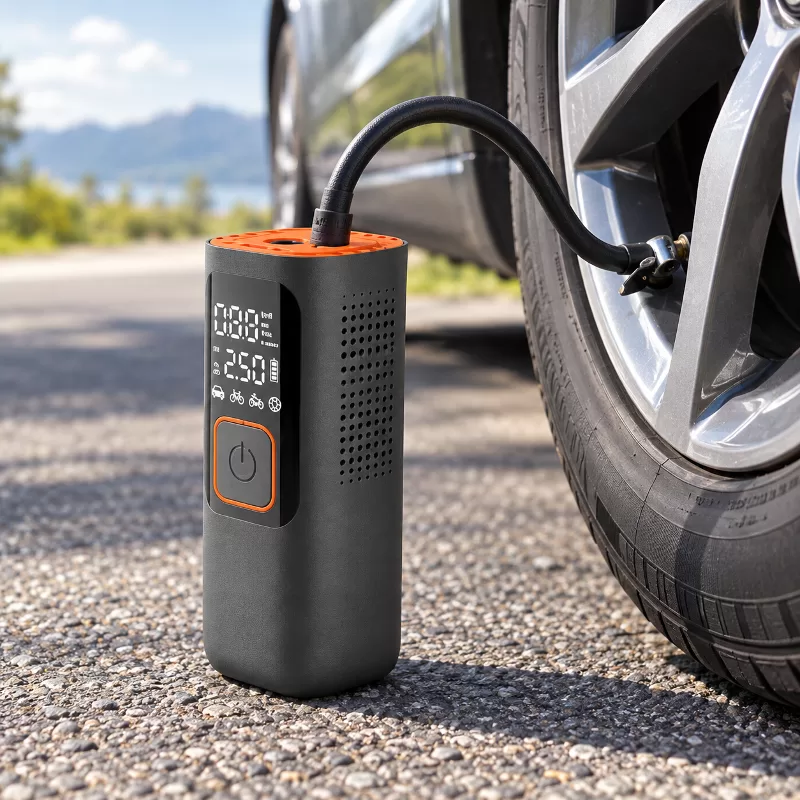
Compressing air and operating the motor generate heat within the compressor housing. Miniature compressors operate under strict thermodynamic realities, meaning small electric motors and compression assemblies generate heat during continuous pumping sessions.
- Cylinder Displacement: Dictates the volume displacement per stroke, directly influencing inflation duration on larger tire cavities.
- Battery Configuration: Multi-cell lithium packs sustain the current draw required by motorized pump assemblies during active compression.
- Continuous Runtime Limits: Portable models operate under specific continuous runtime limits, such as 15 to 18 minutes, and users should follow product instructions regarding cooling breaks.
- Operational Noise Ceiling: Enclosed gearboxes and reciprocating parts generate operational sound, with compact units often rated around 85 dB at 1 meter.
Using these specifications helps users choose a pump whose operating limits match their intended tasks and maintenance routines across seasonal temperature swings.
Pressure Accuracy, Preset Modes, and Auto Shut-Off
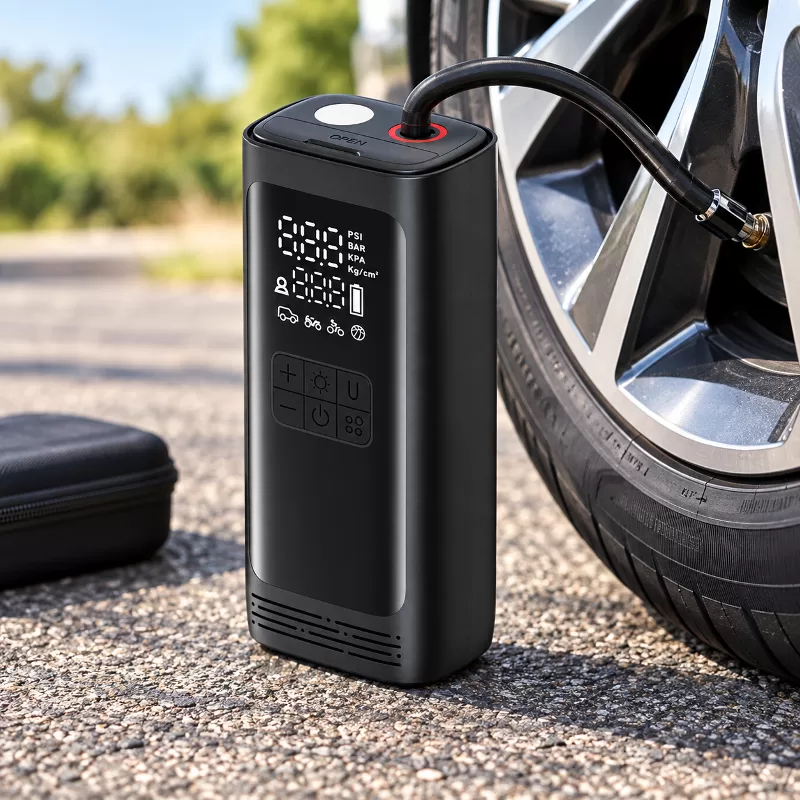
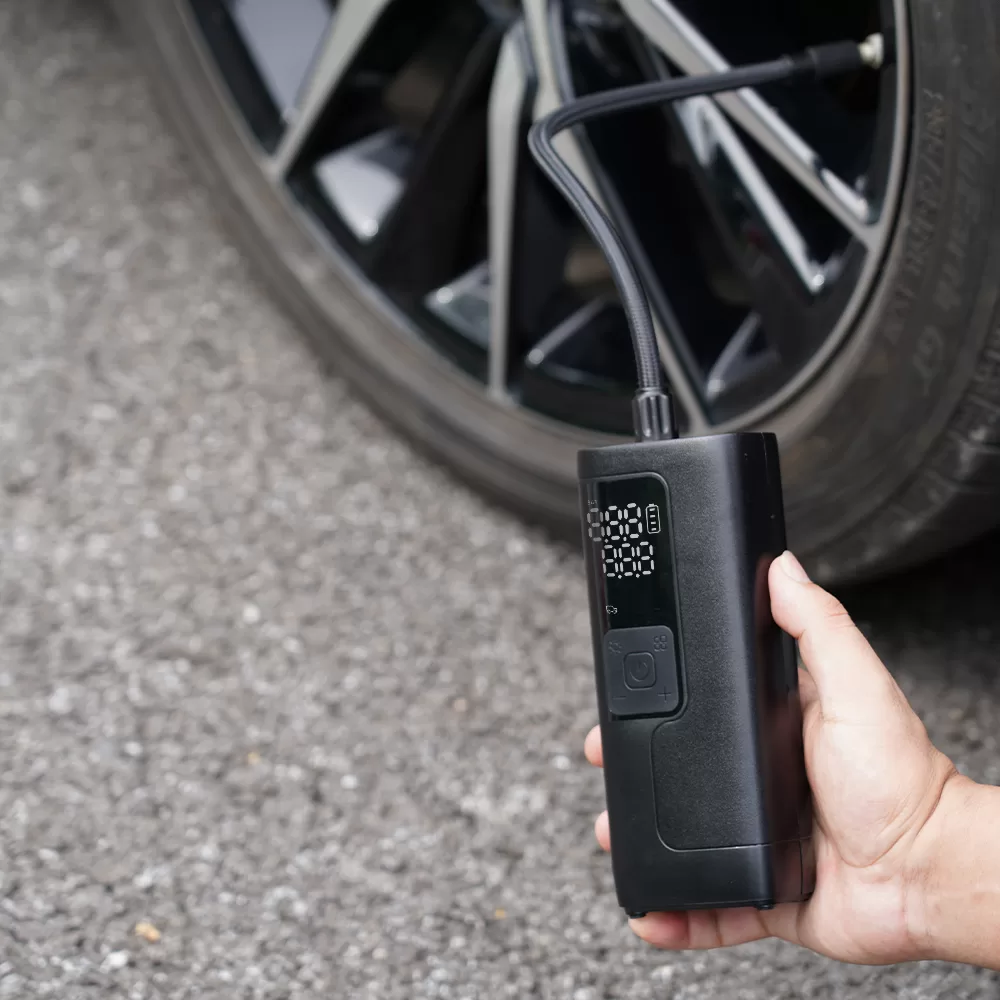
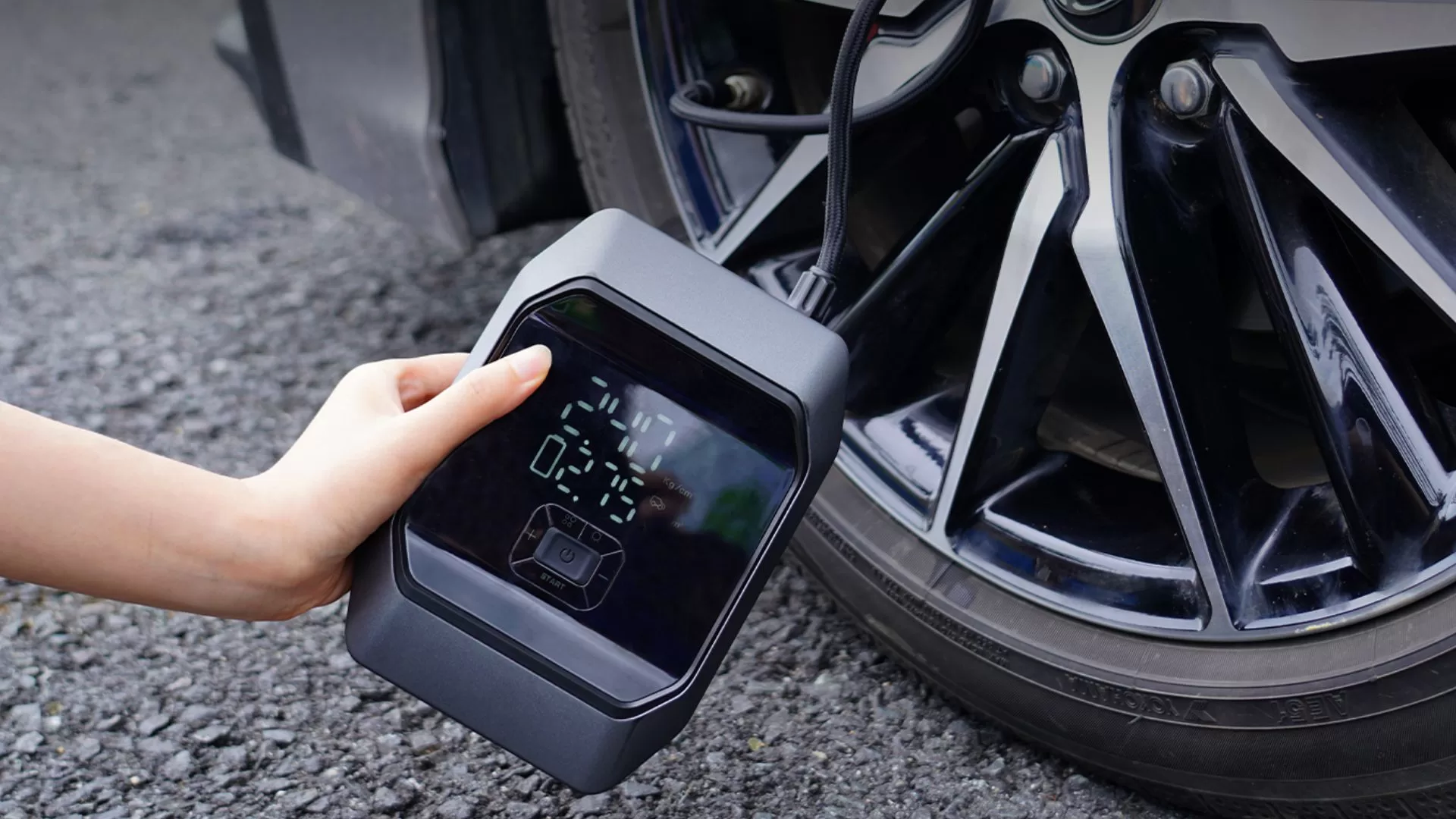
Digital tire inflators integrate electronic pressure sensors connected to an onboard microcontroller. When connected to the tire valve stem, the internal sensor samples line pressure, displaying it clearly on an illuminated segmented LED screen in real time.
Auto shut-off functionality can help reduce the risk of overshooting the selected pressure, but users should still choose the vehicle- or equipment-recommended pressure and monitor the process. You select your target pressure using the interface buttons, initiate the motor, and observe the cycle. The auto shut-off is designed to stop inflation at the selected target, while users should still verify the final pressure with a reliable gauge when accuracy is important.
Portability, Weight, and Emergency Usability
An emergency tool that is too bulky to store in a glove box or side door pocket frequently gets left behind in a home garage. Modern engineering packages motorized mechanical assemblies into casings weighing under 700 grams, fitting easily inside vehicle consoles or bicycle panniers.
Modern charging flexibility further enhances road readiness. The Type-C input can be used with a compatible power source meeting the specified input requirements, while the 5V/1.5A output can provide limited power-bank functionality for small devices during roadside stops.
NW05-P Specifications and Capabilities
Technical Specifications Overview
Engineered as a versatile multi-vehicle pneumatic tool, the NW05-P balances portable handheld dimensions with substantial mechanical output. Newo is a professional manufacturer specializing in the research, development, and production of smart electric air pumps and portable inflation solutions, and for us, maintaining strict technical precision ensures consistent inflation safety across diverse vehicle categories.
| Technical Parameter | Specification Value |
|---|---|
| Model | NW05-P Portable Electric Air Pump |
| Cylinder Structure | 26-cylinder design (product specification) |
| Working Power | 120W |
| Pressure Range | 2 to 150 PSI |
| Air Flow Delivery | 34 to 36 L/min (rated specification) |
| Battery Pack | 2600mAh × 3 cells (11.1V, 28.86Wh) |
| Car Power Input | 12V to 14V cigarette-lighter connection |
| Charging Port / Input | Type-C (5V/2A, 9V/1.5A) |
| Power-Bank Output | 5V / 1.5A USB |
| Charging Duration | 2.5 to 3.5 hours |
| Continuous Runtime | 15 to 18 minutes |
| Operational Noise | ≤ 85dB at 1 meter |
| Dimensions & Weight | 130 × 112 × 56 mm; Net Weight 650g |
| Operating Temperature | -10°C to 45°C |
Practical Performance Profile
The manufacturer specifications for the NW05-P list a 26-cylinder structure and an airflow rating between 34 and 36 liters of air per minute. This airflow rating provides an efficient baseline for general top-up tasks, though real-world inflation speeds will naturally vary depending on the tire volume and prevailing starting pressure.
For cycling use, the product specifications state a capacity of about 30 mountain-bike tires per full charge, with actual results depending on the specific tire volume, starting pressure, and target level. When vehicle owners need routine tire adjustments, the unit provides a stated 15 to 18 minutes of continuous runtime alongside 12V to 14V car socket support to help manage regular maintenance.
Step-by-Step Guide: How to Inflate Tires Safely
Step 1: Check the Vehicle Placard for Target Cold Pressure
Always locate the vehicle tire information placard, typically positioned along the driver-side door jamb, pillar edge, or documented in the owner’s manual. This label lists the recommended cold inflation pressure calculated specifically for your vehicle suspension geometry and gross weight.
Never treat the maximum PSI molded into the rubber tire sidewall as your daily target. That sidewall marking indicates the maximum cold inflation pressure rating permitted by the tire manufacturer, not the vehicle manufacturer’s recommended operating pressure for balanced traction and handling.
Step 2: Ensure the Tire Is Cold
Air expands when heated, which alters internal pressure readings significantly. Driving generates friction between the tire carcass and the road surface, warming internal air and temporarily increasing internal pressure readings.
Take your baseline measurements when the car has been stationary for at least three hours, or before driving more than a mile at low speed. If you must add air while the tire is warm, do not bleed air based on the warm reading. Follow the vehicle or tire manufacturer’s guidance for a temporary hot-tire adjustment, then recheck the pressure when the tire is cold.
Step 3: Connect the Hose and Calibrate
Thread or clamp the inflator air chuck squarely onto the tire Schrader valve stem. Secure the chuck firmly and check for an excessive or continuous hiss, which may indicate a poor seal or leaking connection.
- Keep the valve stem and the chuck’s sealing surfaces free of dirt before securing the connection.
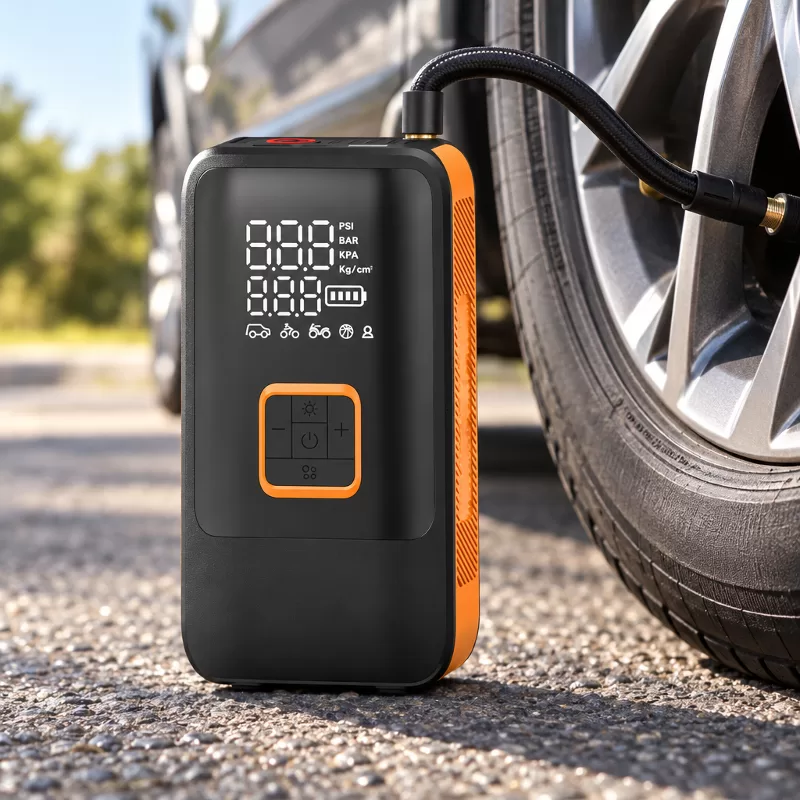
- Power on the inflator to read the baseline static pressure on the digital LED display.
- If your pump model supports unit selection, confirm that the displayed metric corresponds to your target pressure scale.
- Select the matching vehicle preset or use the manual plus and minus controls to set your vehicle recommended target.
Taking time to secure a tight seal prevents micro-leaks that can confuse the electronic sensor during the inflation cycle.
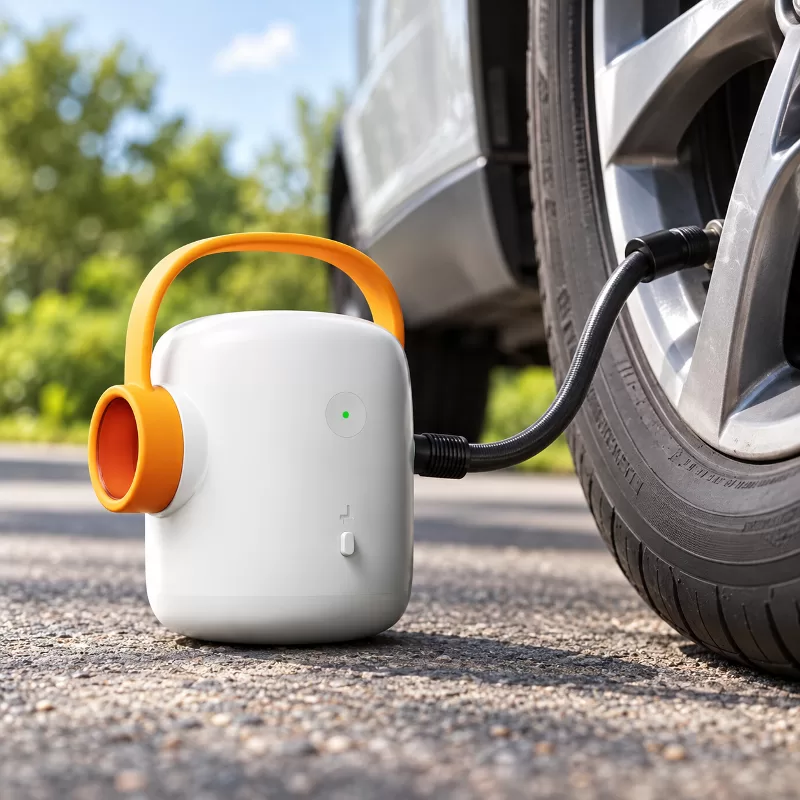
Step 4: Set Desired PSI and Monitor the Cycle
Press the activation switch to engage the compressor motor. Stay directly beside the wheel while the compressor runs, monitoring the live pressure feedback as air fills the tire chamber.
Once the digital controller reaches the set threshold, the auto shut-off mechanism stops the motor. Switch off the pump, disconnect the hose carefully, and replace the valve cap to protect the inner valve core from dirt and road moisture.
Recognizing When a Pump Cannot Solve the Problem
A portable electric tire pump easily restores pressure lost through natural permeation or seasonal temperature drops. It cannot, however, repair structural integrity loss caused by road hazard damage.
If the compressor runs for several minutes without the pressure reading increasing, stop the unit immediately. Inspect the tread and sidewall for embedded screws, rim bends, cuts, or bead unseating. These conditions require stopping use and obtaining inspection or roadside assistance; the tire may need professional repair or replacement.
Practical Applications and Multi-Vehicle Compatibility
Passenger Cars, Crossovers, and Light Trailers
Daily passenger vehicles represent the most common duty cycle for a portable electric tire pump. When seasonal cold fronts arrive in autumn, ambient temperature decreases cause air to contract, lowering measured tire pressure by roughly 1 PSI for about every 10–12°F change in ambient temperature.
Instead of queuing at service station air stands, having a 650g inflator in the trunk allows convenient morning adjustments on all four tires. Light single-axle utility trailers and teardrop campers also benefit immensely, as their high-load tires require strict pressure management to prevent excessive heat buildup and tread wear at highway speeds.
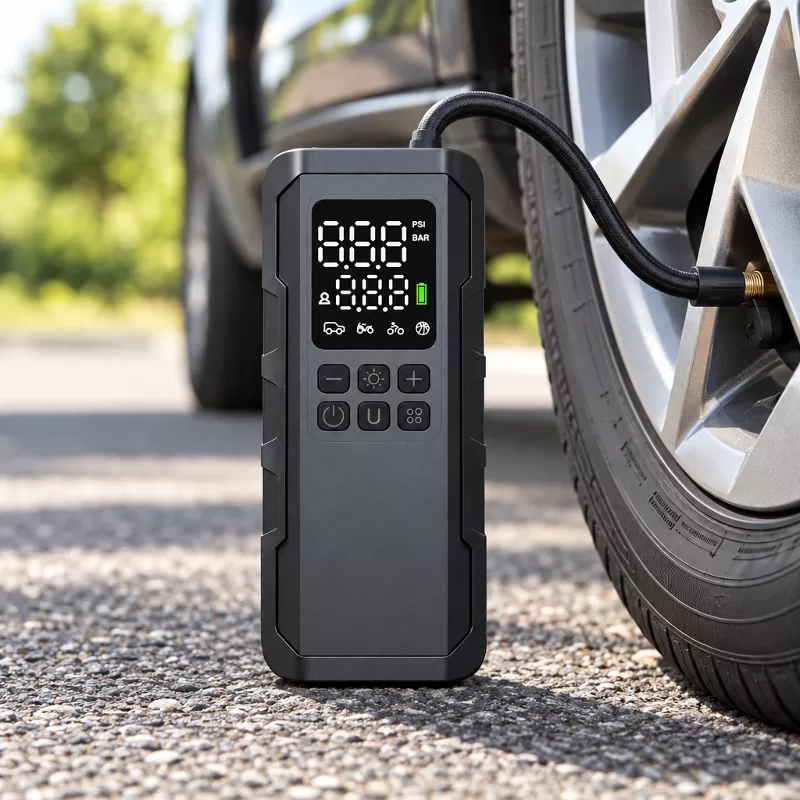
Motorcycles, Scooters, and E-Bikes
Two-wheeled travel requires careful attention to tire inflation, because maintaining the manufacturer-recommended pressure directly supports proper handling, predictable cornering, and tire performance. Motorcycle riders rely on stable contact patches when negotiating changing weather and wet road surfaces.
The compact dimensions of the NW05-P make it practical to slip into motorcycle saddlebags or electric commuter scooter backpacks. The integrated presets allow riders to switch between vehicle and bike profiles, assisting users in matching target pressures without guesswork.
Bicycles, Wheelchairs, and Sports Equipment
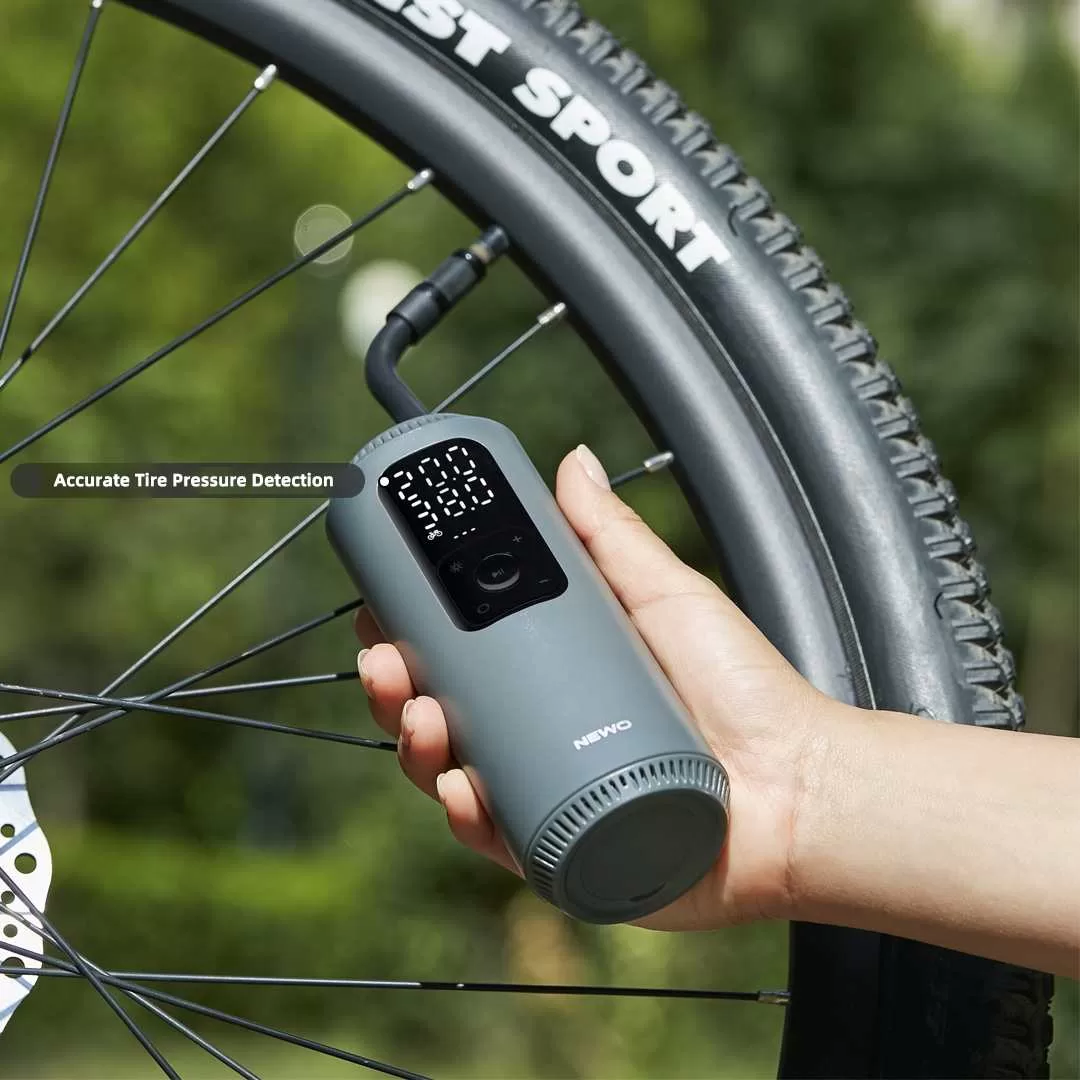
Standard manual floor pumps can be physically demanding when attempting to push higher pressures into narrow bicycle inner tubes. A portable electric tire pump automates inflation when used with compatible Schrader connections or appropriate Presta adapters where equipped or separately acquired.
Correct pressure can support ride comfort, handling, and tire performance on wheelchairs and balance vehicles. When paired with a compatible needle adapter, the inflator can also add air to soccer balls, basketballs, and other athletic equipment.
Maintenance and Storage Best Practices
Battery Health and Storage Temperatures
Lithium-ion battery packs thrive within moderate temperature envelopes. Storing a portable compressor inside a vehicle requires sensible temperature management to protect internal electronic assemblies and overall cell longevity.
- Keep the device stored in shaded vehicle compartments, such as the spare tire well or under-seat storage bins, avoiding prolonged direct heat.
- For long-term storage, check the battery periodically and follow the manufacturer’s recommended storage procedures.
- Ensure operation remains within the specified -10°C to 45°C operating temperature range, and follow manufacturer guidelines regarding charging conditions.
- Disconnect all charging cables and 12V automotive cords before long-term storage in vehicle tool bags.
Adhering to these storage steps can help the unit remain ready for use whenever a low-pressure warning strikes.
Hose, Valve, and Seal Care
The inflation hose undergoes physical stress from pneumatic pressure cycles during operation. Inspect the inflation hose periodically for exterior abrasions, cracking, leaks, or kinks that could restrict airflow.
Keep the brass threads of the chuck clear of grit, salt, and dirt buildup. A tiny particle of trapped road grime can prevent an airtight seal against the valve core, producing false sensor readings or persistent leaks during connection.
Portable Electric Tire Pump FAQs
Is a 150 PSI maximum rating necessary for everyday passenger car tires?
Passenger vehicle tires operate well below 150 PSI, so this maximum rating represents a capability ceiling rather than an operating target. The 150 PSI specification gives the pump a pressure range suitable for the listed applications, but users should confirm valve compatibility and the recommended pressure for the specific tire or equipment, rather than treating the maximum rating as an indicator of inflation speed or product durability.
How does ambient temperature affect tire pressure readings?
Gas expands when heated and contracts when cooled. Temperature changes alter measured tire pressure across changing weather conditions, meaning cold mornings will often cause lower pressure readings and can trigger your vehicle dashboard TPMS warning light even if your tires are structurally undamaged.
Can the NW05-P run directly from a car cigarette-lighter socket if the battery is dead?
The NW05-P technical specifications state support for 12V to 14V car cigarette-lighter power, providing an alternative connection method alongside battery operation. To confirm whether the unit can run immediately when the internal battery is completely drained, or whether it requires a baseline battery charge level to operate, refer to the detailed power instructions in the product user manual.
Why should you avoid setting a hot tire to the cold placard pressure?
Tires naturally heat up from road friction and internal flexing while driving, which temporarily raises internal air pressure above cold baseline readings. Bleeding air from a warm tire down to the cold placard number can cause severe underinflation once the rubber cools down. If emergency inflation is needed during travel, follow the vehicle or tire manufacturer’s specific warm-tire guidelines, and recheck pressure when cold.
How often should vehicle tire pressure be checked?
Industry safety guidelines, including advice from the National Highway Traffic Safety Administration (NHTSA), advise motorists to inspect tire pressures at least once a month and prior to embarking on extended road trips. Tires gradually lose some air over time through natural permeation, which is why monthly checks are recommended rather than relying purely on visual inspection.
Conclusion
Integrating a versatile portable electric tire pump into your vehicle gear provides dependable autonomy on every road journey. Rather than dealing with broken service station pumps or slow manual floor pumps, drivers can accurately regulate their tire pressure anywhere with digital accuracy. By evaluating crucial engineering elements like cylinder capacity, airflow delivery, dual-source power versatility, and automatic pressure shut-off, you equip your vehicle with a reliable emergency tool that safeguards tread longevity, optimizes fuel efficiency, and protects personal road safety.
-

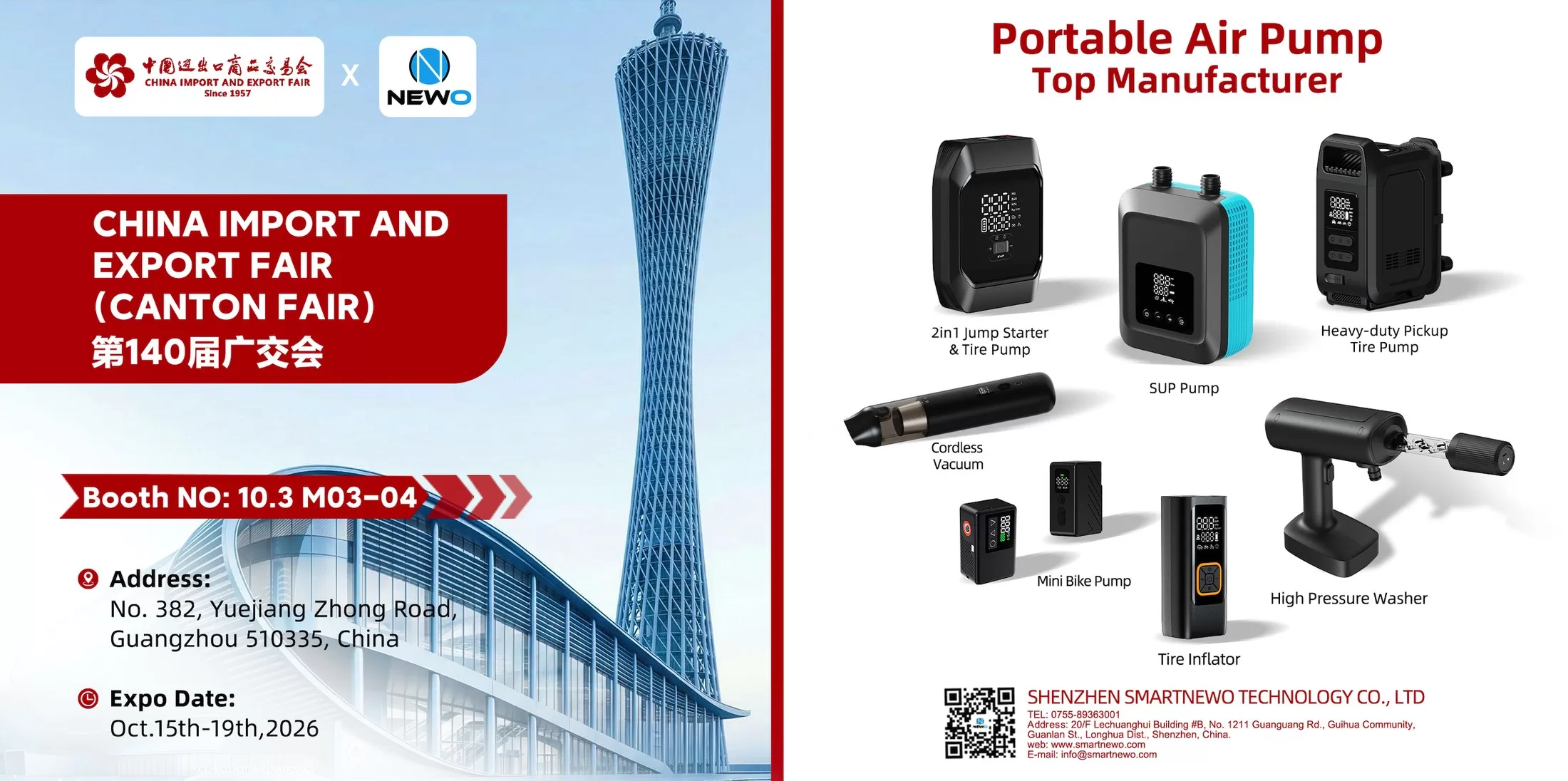
Meet NEWO at the 140th Canton Fair: Visit Booth 10.3 M03–04
Meet NEWO at the 140th Canton Fair in Guangzhou, October 15–19, 2026. Visit Booth 10.3 M03–04 to explore portable air pumps and discuss OEM, ODM and distribution opportunities.... -

As Shenzhen Welcomes the World for APEC 2026, NEWO Welcomes You to Our Factory
As Shenzhen prepares for APEC 2026, NEWO welcomes international buyers and partners to visit our factory, meet our team and explore future cooperation.... -

Leading the Way in Product Innovation and Excellence
Smartnewo exemplifies professionalism in product innovation and manufacturing. Their collaboration with Xiaomi Youpin on the G01 crowdfunding project highlights their expertise in creating compact, powerful inflatable pumps. Rigorous engineering, meticulous production processes, and advanced quality assurance underscore their commitment to excellence. The success of the G01 project, with significant market... -

Essential Qualities of an Excellent Supplier
In today's competitive market, finding a reliable supplier is crucial for business success. Based on insights from Smartnewo and broader internet research, here are key qualities an excellent supplier must possess:... -

NW06 Tire Inflator: Compact Power for Quick Inflation
Summary The NW06 Tire Inflator delivers quick and efficient tire inflation with a powerful 35L/min airflow. It features a user-friendly LCD screen for real-time pressure monitoring, dual power options with a built-in 6000mAh battery, and multiple nozzle attachments for versatile use. Its compact design and integrated LED light ensure convenience and... -

Unleash the Power of Portability: The SmartNewo Jump Starter with Air Compressor KF03
This guide will walk you through the steps to effectively use a portable tire inflator, helping you stay prepared and safe on the road.... -

Newo Attends The 2024 Consumer Electronics Show (CES)
Smartnewo booth is located at 53672, Halls A-D, Level 2, Venetian Expo, Las Vegas Convention Center (LVCC). ... -

Smartnewo’s Dual-Cylinder Air Pump Rocks the Hong Kong Autumn Electronics Fair!
Smartnewo’s Dual-Cylinder Air Pump Rocks the Hong Kong Autumn Electronics Fair!... -

Meet at the Canton Fair! Smartnewo brings dual-cylinder air pumps, making your inflation experience faster and more stable!
NEWO has went deep communication and negotiation with customers from all over the world on booth.... -

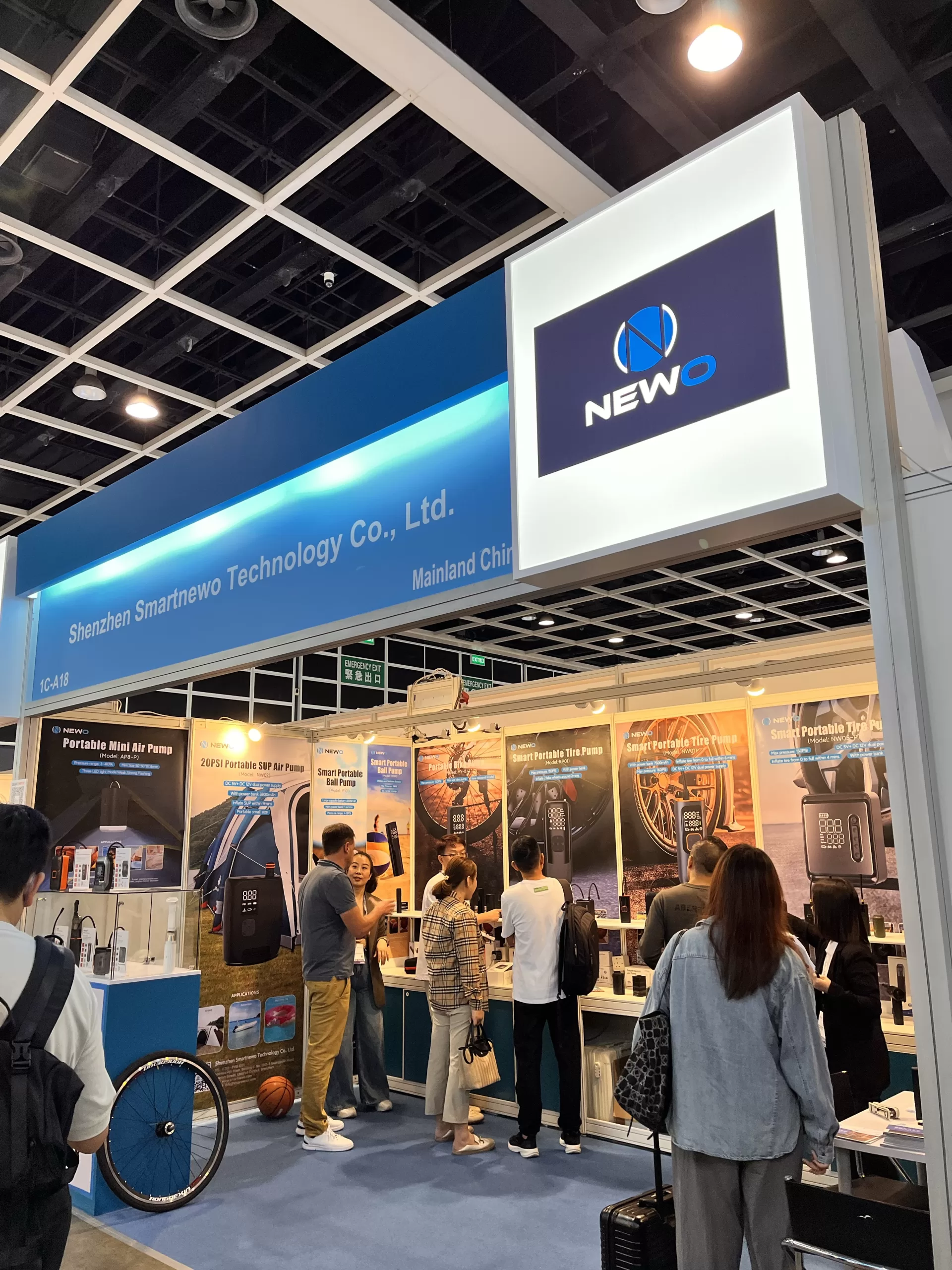
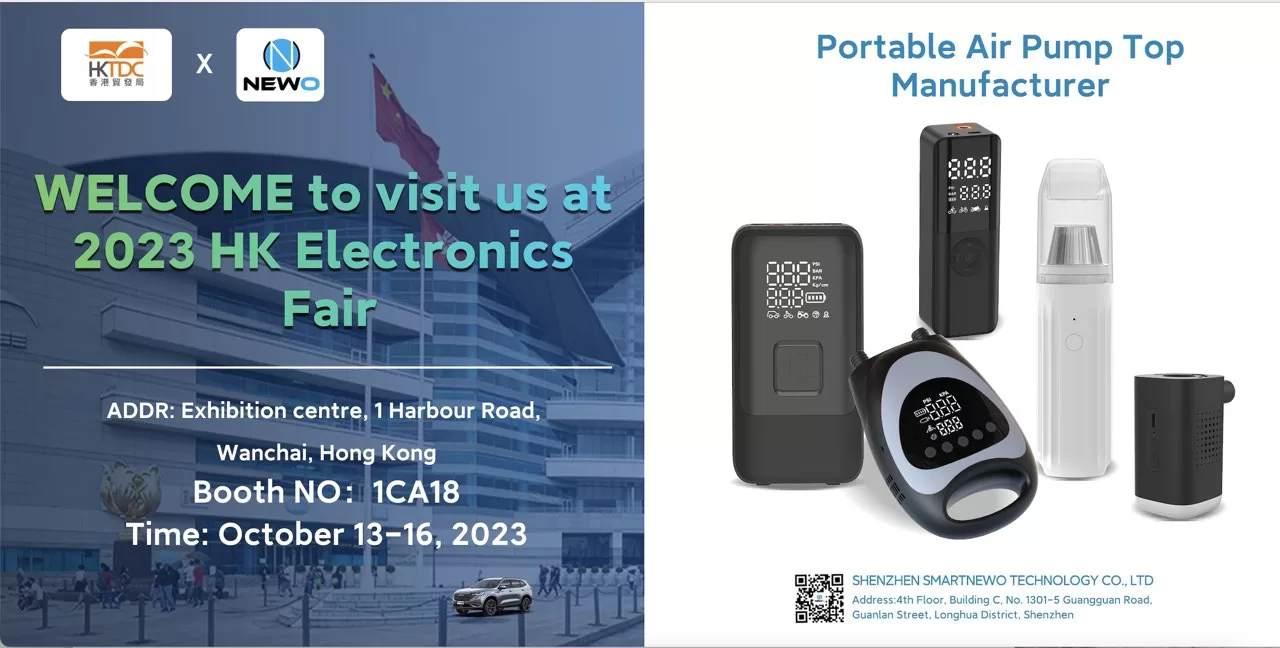
“Hong Kong Autumn Electronics Fair – 1CA18 (October 13th to 16th): Smartnewo invites you to visit our booth!
Hong Kong Autumn Electronics Fair...



-

What to Check Before Ordering Custom Electric Bike Pumps
Plan custom electric bike pumps with a clear requirements freeze for valves, TPU tubes, portability, repeated top-ups, charging, and model-specific documents.... -

OEM vs ODM Air Pumps: Which Manufacturing Model Fits Your Brand?
Compare OEM and ODM air pump projects by design responsibility, change approval, development scope, and written ownership terms before choosing your route.... -
How to Choose a Reliable Tire Inflator Manufacturer in China
Choose a tire inflator manufacturer in China with a focused RFQ, supplier evidence, configuration checks, and clear sample-to-pilot decisions for your brand.... -

Rechargeable Electric SUP Pump for Paddle Boards: Faster Inflation for SUPs, Kayaks and Inflatable Tents
The BL10-C Portable Electric Bike Tire Inflator is a compact and lightweight mini electric bike pump designed for modern cyclists. With up to 120 PSI pressure, a digital LED display, preset pressure control, automatic shut-off, USB-C charging, and multiple valve adapters, BL10-C offers a convenient inflation solution for road bikes,... -

Are Electric Bike Pumps Worth It in 2026? Electric Pump vs CO₂ vs Mini Hand Pump
Discover whether electric bike pumps are worth it in 2026. This guide compares electric bike pumps, CO₂ inflators, and mini hand pumps for road cycling, gravel riding, commuting, and long-distance rides. Learn the pros, limitations, best use cases, and key features to look for before choosing the right portable tire... -
BL10-C Portable Electric Bike Tire Inflator: Small Size, Reliable Power for Every Ride
The BL10-C Portable Electric Bike Tire Inflator is a compact and lightweight mini electric bike pump designed for modern cyclists. With up to 120 PSI pressure, a digital LED display, preset pressure control, automatic shut-off, USB-C charging, and multiple valve adapters, BL10-C offers a convenient inflation solution for road bikes,... -

Why Mini Electric Bike Pumps Are Becoming Essential for Modern Cycling
Discover why mini electric bike pumps are becoming essential for modern cyclists. Learn how portable electric bike pumps improve tire pressure management, riding safety, and convenience.... -

The Ultimate Smart Solution for Easy Outdoor Adventures in 2026
Discover how a spring travel air pump simplifies outdoor trips with fast inflation, smart features, and powerful performance—perfect for every adventure.... -

Powerful 5-in-1 Portable Car Tire Inflator and Jump Starter: The Ultimate Emergency Tool for Every Driver
Why Every Driver Needs a Portable Car Tire Inflator and Jump Starter Modern drivers face many unexpected situations on the road. A flat tire, low tire pressure, or a dead car battery can happen at the worst possible time. That’s why having a portable car tire inflator and jump starter is... -

7 Real Cycling Scenarios That Show Why Every Rider Should Carry a Mini Bike Pump
Cycling is one of the most freeing activities you can enjoy. Whether you’re commuting to work, riding through city streets, or exploring quiet countryside roads, a bike ride can instantly improve your day. But there’s one small problem that almost every cyclist eventually faces: Low tire pressure. It might happen...



-
How Is a Football Properly Inflated?
The correct inflation of a football - with not too much and not too little air - is a hotly debated topic among footballers.... -
Application Scenarios of Car Inflator Pump
Often long-distance business trips or play car owners because the road may be more remote areas, in this case if you encounter a tire leak....